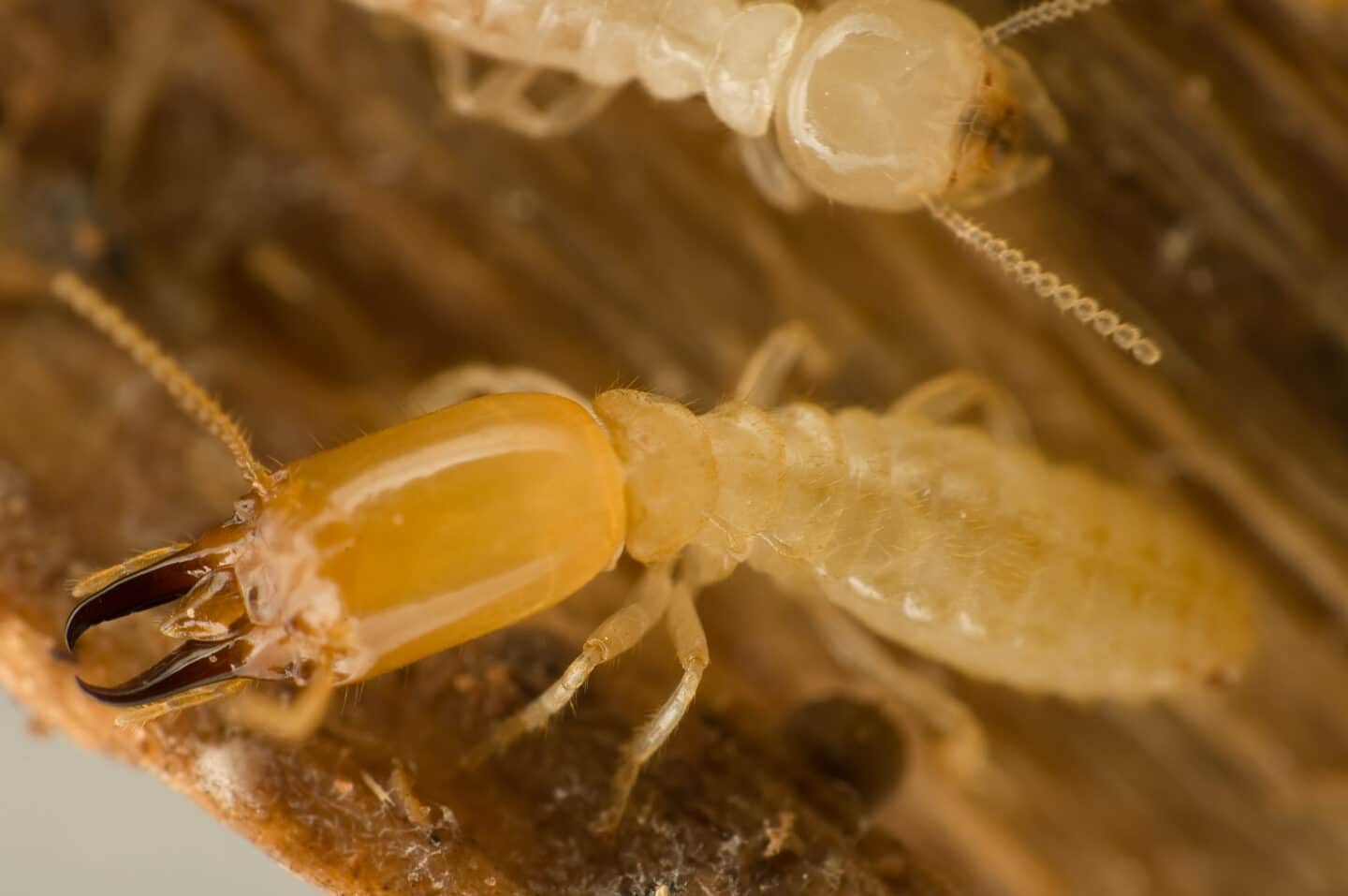
Subterranean termites and their control in the Greater Boise Area (Boise, Meridian, Eagle, Nampa, Kuna and Caldwell) is important for home and business owners.
Subterranean termites are the most destructive termite species affecting homes in the United States, responsible for the majority of termite-related structural damage nationwide. In the Boise and greater Treasure Valley area, the primary termite of concern is the subterranean termite, which nests in the soil and forages into structures for food.
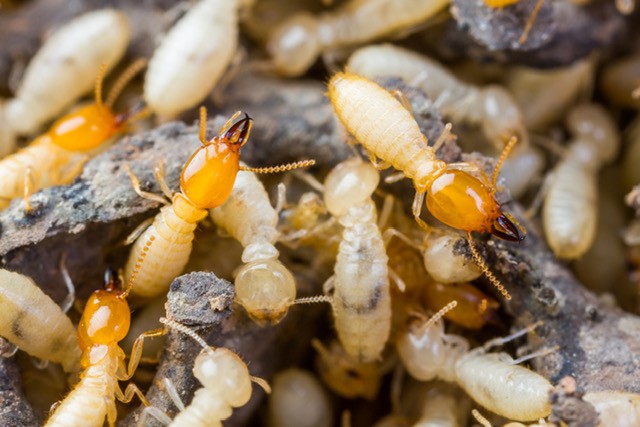
These termites feed on cellulose, the main component of wood, paper, and many building materials. Individually, they are small and soft-bodied, but their colonies can number in the hundreds of thousands, allowing them to quietly cause significant damage over time if left unchecked.
How Subterranean Termites Live and Move
As their name suggests, subterranean termites maintain their main colony underground, usually in moist soil near a food source such as buried wood, tree stumps, or a home’s foundation. From these underground colonies, worker termites travel through the soil and into structures to find wood and other cellulose materials to eat.
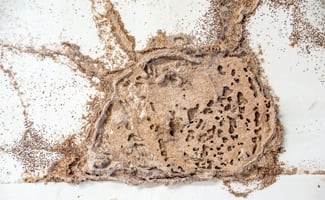
To access a home, workers often enter through tiny cracks (about the width of a credit card) in slab floors, expansion joints, plumbing penetrations, or gaps in the foundation. When they need to move over exposed surfaces like concrete or foundation walls, they build narrow “mud tubes” or shelter tubes, which are pencil-sized tunnels made of soil, saliva, and fecal material. These tubes keep them hidden from predators and help them maintain the high humidity they need to survive.
Because termites usually stay inside wood, soil, or their mud tubes, their activity is often completely invisible on the surface. This hidden lifestyle is part of what makes subterranean termites such a costly pest: they can be active for months or years before a homeowner notices any signs.
Signs of Termite Damage Around Boise
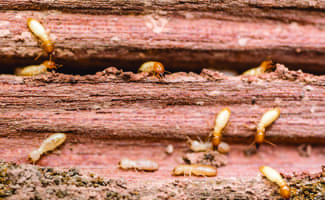
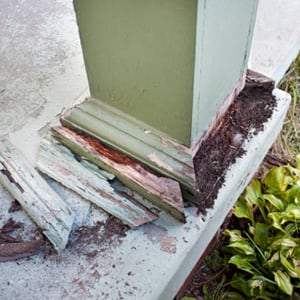
In many Boise-area homes, subterranean termite problems may not be obvious and are discovered only when remodeling, repairs, or a real estate inspection reveals damage inside walls or under the flooring. Termites often feed within wall cavities, between exterior siding and interior drywall, or along floor joists and sill plates, where damage is hard to access and expensive to repair.
Common signs of subterranean termites include:
- Mud tubes on foundation walls, piers, or in crawl spaces
- Soft, blistered, or hollow-sounding wood in baseboards, trim, or flooring
- Paint or drywall that appears bubbled, rippled, or damaged without a clear moisture leak
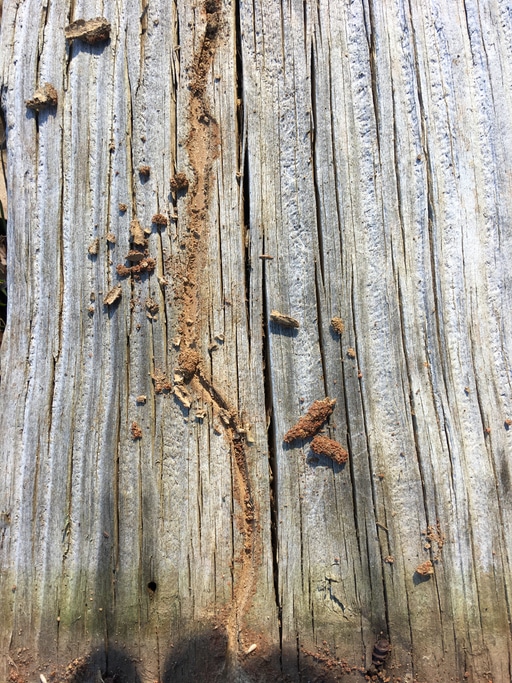
- Wood that looks carved out along the grain or filled with soil-like material
- Discarded wings on window sills
- In some cases, swarms of winged termites (alates) appear in spring
Because these signs can be subtle, termite inspections by a licensed pest professional are recommended, especially in areas where subterranean termites are known to occur.
What Cascade Looks For During a Termite Inspection
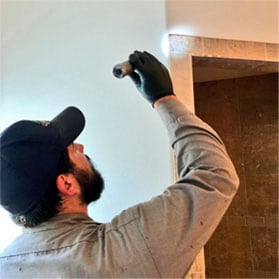
When Cascade Pest Control performs a termite inspection on your Boise-area home, we are looking for both active termites and the conditions that invite them. A typical inspection may include looking for those common signs of subterranean termites listed above.
- Checking foundations walls, crawl spaces, and piers for mud tubes or shelter tubes
- Probing suspicious or damaged wood for soft spots, hollow areas, or hidden galleries
- Inspecting baseboard, trim, and flooring for blistered or buckling areas
- Looking for signs of moisture problems around the foundation or in crawl spaces
- Asking about any past termite treatments or previous wood-destroying insect issues
After the inspection, we walk you through what we found in plain language – whether that’s active termites, old damage, or simply risk factors that should be addressed. Our goal is that you understand exactly what is going on, what is urgent, and what can be monitored over time.
Cascade’s Approach to Treating Subterranean Termites
Every property is a little different, so we design treatment plans based on your home’s construction, the level of termite activity, and your long-term plans. Cascade uses Integrated Pest Management solutions for a range of targeted (environmentally-aware) options. Typically, Cascade relies on one or both of the following strategies:
- Soil treatment around the structure
We apply a professional-grade liquid termiticide to the soil around the foundation and, when needed, beneath it to create a treated zone. Termites passing through the zone are affected by the termiticide, helping stop current activity and prevent new infestations from establishing. This approach is especially useful for homes with active infestations or a history of termite problems.
- Termite baiting systems
For many Boise-area homes, we install termite bait stations in the soil around the structure. Termites that find the bait carry the active ingredient back to the colony, gradually spreading it and reducing the colony’s overall strength. Baiting is a great option if you prefer ongoing monitoring and a more flexible long-term protection plan.
In some cases, particularly in crawl spaces or during remodels, we recommend borate wood treatments to protect exposed structural lumber. After an inspection, we will help you design the termite treatment that works best for your home.
Prevention and Long-Term Protection
Subterranean termites are present in the greater Boise area, and while they may not be as common as in more humid regions, the damage they cause is still extensive and expensive to repair. That’s why prevention and early detection are key.
Steps you can take in a proactive approach to termite control include:
- Improve drainage and keep water away from the foundation
- Fix leaky downspouts, gutters, or plumbing that create damp soil
- Keep firewood and lumber off the ground and away from exterior walls
- Maintain good crawl space ventilation and reduce excess moisture
- Avoid direct wood-to-soil contact on decks, steps, and siding
Cascade can combine these practical steps with regular inspections and bait station monitoring to provide ongoing protection tailored to your property.
Why Boise Homeowners Choose Cascade Pest Control
Homeowners across Boise, Meridian, Eagle, Nampa, Kuna and Caldwell trust Cascade because we focus on straightforward communication and reliable service. Our expert technicians are highly trained and know local concerns. When you call us about termites, you can expect:
- A prompt, professional inspection
- Clear explanations of what we see and what it means
- Treatment options that match your home, risk level, and budget
- Honest guidance on whether you need immediate treatment or just monitoring
If you are seeing mud tubes, unexplained damage, or just want peace of mind about termites, Cascade Pest Control is ready to help you protect your home.
Sources:
https://www.srs.fs.usda.gov/pubs/misc/misc_hg064.pdf
https://www.fdacs.gov/Consumer-Resources/Health-and-Safety/Protect-Your-Home-from-Pests/Termites/Subterranean-Termites
https://utia.tennessee.edu/publications/wp-content/uploads/sites/269/2023/10/PB1344.pdf
https://www.pestcom.com/pest-resources/2024/march/termite-inspection-and-control-tips-for-idaho-ho/
https://www.pesticide.org/termites