Wasps & Yellowjackets in Boise: Summer Pest Control Tips
As summer heats up across Boise region, stinging pests are thriving. Warm, dry conditions provide all that wasps and yellowjackets need to multiply. Summertime often means outdoor time, which often puts homeowners, their families, and pets right in contact with a thriving wasp and yellowjacket population. Barbeques, playtime, and yard work can quickly turn into risky situations if nests are previously unnoticed.
For local families, timely pest and wasp control isn’t just about comfort. It is also about safety, especially for kids, pets, and anyone with sting allergies.
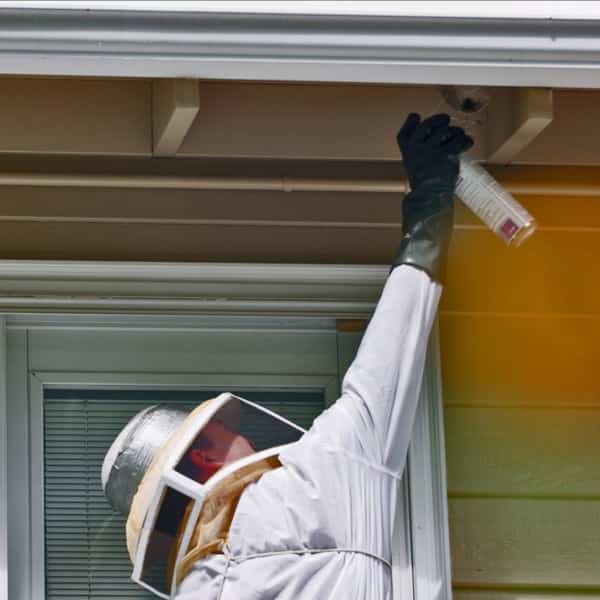
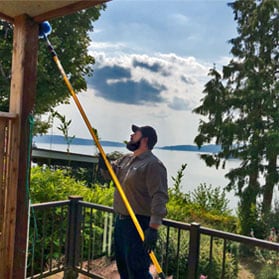
Summer: Peak Season for Wasps & Yellowjackets
In Treasure Valley, wasps are active from spring through fall, but their activity and aggression typically peak in mid to late summer as colonies reach full size.
Spring
Queens emerge from winter sleep to start a new colony. They are actively building new starter nests, laying first eggs, and raising the first generation of the new colony. They are strictly predators in the spring and early summer, focusing on hunting other insects and less likely to interact with humans. Spring action is key to preventing summer infestations
Summer
Rising temperatures accelerate a wasp’s life cycle, leading to more foraging, more nesting, and more encounters with people. As the season progresses, colonies reach their peak size and experience food shortages, making them highly aggressive scavengers of human food and sweet drinks. This is often the most dangerous time for human interactions.
Fall
While early fall might still see insect aggression with scarce food sources, that begins to taper off with the first frost. Wasps cannot survive the freezing temperatures. Before they die, new reproductive queens mate and leave to find protected shelter for overwintering. Sometimes they find a safe space in the siding of homes.
Winter
Most Idaho wasps die when winter arrives with only the newly mated queen surviving. She will hibernate (diapause) overwinter and emerge in the spring to start a new colony. The only contact with humans will be an occasional sluggish queen, overwintering near a home, awaking during a brief, warm, mid-winter thaw.
By late summer, yellowjacket colonies can become large and highly defensive, especially when food sources get scarce and competition rises around trash cans, outdoor dining areas, and fruit trees.
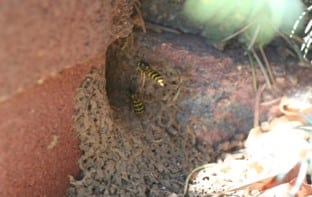
The Wasp and Yellowjackets Most Seen By Boise Homeowners
Cascade Pest Control technicians regularly encounter several types of stinging insects around Boise-area homes.
Paper Wasps
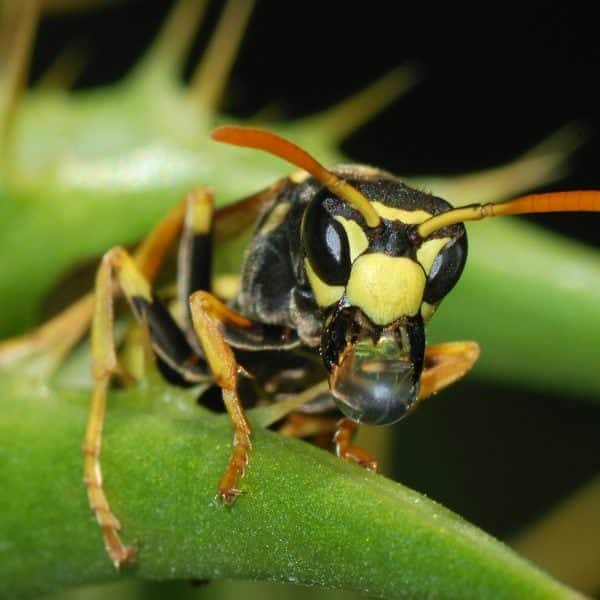
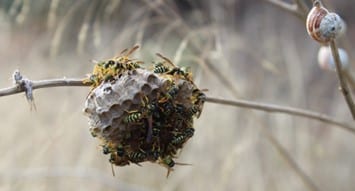
Paper wasps often build the familiar umbrella-shaped nests under eaves, decks, sheds, and patio overhangs. They are less aggressive than yellowjackets, but they will sting if they feel their nest is threatened.
Yellowjackets
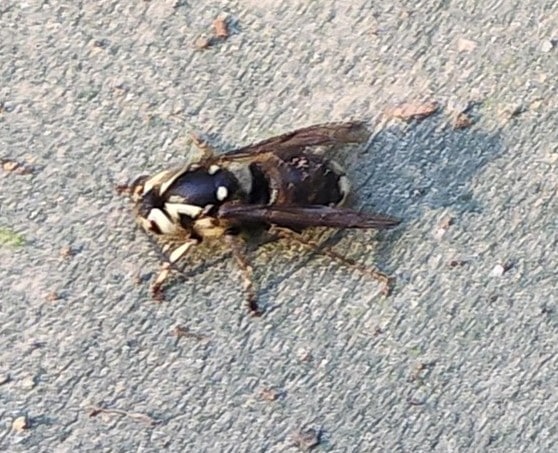
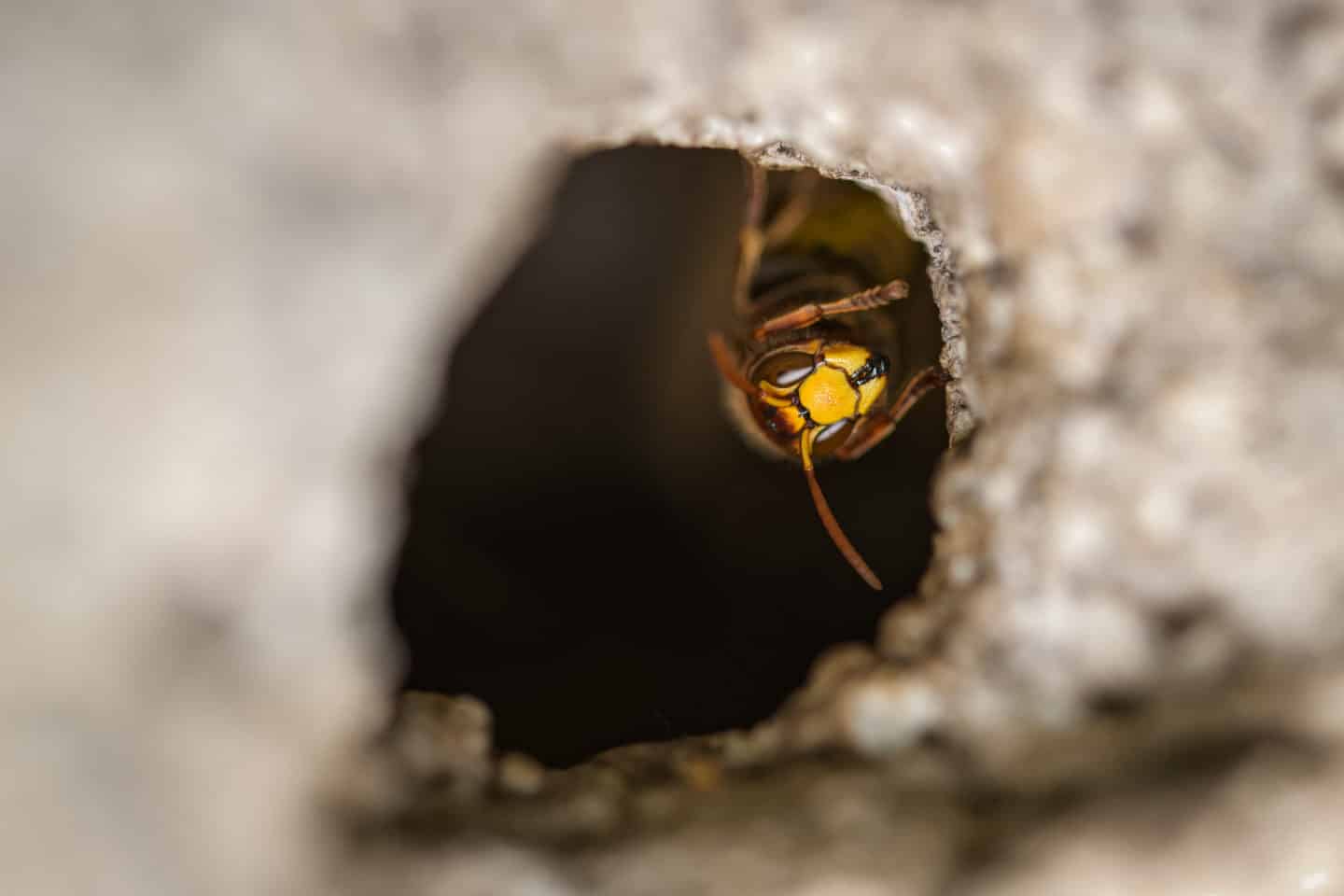
Yellowjackets are the more aggressive, high-risk stinging insects many Boise residents worry about. They often nest in the ground, in wall voids, or in hidden cavities, and can swarm quickly when disturbed, leading to multiple stings in seconds. Their more covert nesting means you can stumble upon them unaware, which makes them particularly dangerous.
Other Wasps (like Mud Daubers)
Mud daubers and similar solitary wasps may appear on structures and in landscaping, and while they are usually less aggressive, their presence can still be unsettling for families.
Why Wasps and Yellowjackets Are a Serious Summer Problem
Imagine a homeowner mowing a lawn in Meridian and unknowingly rolling over a yellowjacket ground nest: within moments, multiple workers can emerge and sting as they defend the colony.
Singing insects are more than a nuisance. They can pose genuine health and safety concerns.
- Aggressive defense of nests, especially in late summer
- Multiple stings from a single incident
- Elevated risk for children, pets, and older adults
- Potential for severe allergic reactions, including anaphylaxis, in sensitive individuals
As colonies grow throughout the season, a small problem in early summer can quietly become a large colony by August, if left untreated.
Signs of a Wasp or Yellowjacket Nest
Boise and Treasure Valley homeowners should watch for several common warning signs of wasps and yellowjackets during the summer.
- General Wasp Activity: Increased wasp or yellowjacket traffic around eaves, decks, fences, or play areas
- Nest sightings: Visible paper nests on rooflines, under decks, or inside sheds and pool houses
- Targeted Wasp Activity: Wasps entering or exiting a single hole in the ground or crack in the siding
- Buzzing: The sounds of buzzing or movement inside wall voids or under steps.
If you notice steady flight patterns to and from a particular spot (especially in the ground or along a roofline), there’s a good chance a nest is present.
Prevention Tips for Boise & Treasure Valley Homes
Keep ahead of the problem with some proactive steps that reduce the chance of wasps and yellowjackets settling in around your property.
- Keep trash sealed
Use a tight-fitting lid on outdoor garbage and recycling bins. Rinse containers to reduce sugary residues that attract foraging yellowjackets. Pro-tip: It might also deter rats and raccoons.
- Clean up food and drinks outdoors
Quickly clear plates, cans, and cups after barbecues or patio gathering, avoid leaving sugary drinks out where wasps can feed. Don’t be a slob, even outside.
- Inspect and seal entry points
Check eaves, soffits, fences, sheds, and deck undersides for small gaps that could allow nesting, and seal cracks in siding and around utility lines. Secure the perimeter, people.
- Manage fruit trees and yard debris
Pick up fallen fruit from trees and reduce clutter in the yard where ground nests of structural nests could form. The apple doesn’t fall far from the tree – so pick it up.
Why DIY Wasp and Yellowjacket Removal is Risky
While hardware store sprays and home remedies may seem convenient, wasp and yellowjacket removal can be hazardous when active nests are involved:
- Disturbing nests can trigger aggressive swarming and multiple stings
- Over-the-counter products often fail to fully eliminate large colonies or hidden nests
- Ground nests and wall voids are difficult to reach and treat without professional tools and techniques
- Working from ladders around eaves or rooflines adds fall risk to the equation as well
Burning, flooding, or crushing nests is highly discouraged as these methods are unsafe and rarely effective. For reliable pest control and personal safety, Cascade Pest Control is the safer and more effective choice.
How Cascade Pest Control Protects Boise Families
Cascade Pest Control combines technical expertise with local knowledge.
- Detailed Inspection
Our inspection includes identifying the type of stinging insect, locating primary and satellite nests, and assessing risk around entryways, play areas, and outdoor living spaces.
- Targeted, safe removal
Using specialized equipment and proven treatments, our technicians remove or treat nests in eaves, wall voids, and underground areas while minimizing risk to your family and pets
- Seasonal, preventive treatments
Ongoing service during peak summer months helps keep new nests from establishing and reduces the overall stinging insect pressure around your home. Year round service can help keep ahead of the curve as well.
Call Cascade Pest Control Before Nests Grow
Noticing wasps and yellowjackets around your home? Don’t delay. Act now before nests become larger and more aggressive. A wasp control visit from Cascade can:
- Identify hidden nests
- Reduce immediate sting risk
- Set up a plan to protect your outdoor spaces for the rest of the season
Contact Cascade Pest Control in the Boise region today 208-693-5228 and enjoy safer, more comfortable summer days in your yard.