Spiders in Idaho, Oregon, and Washington
Cascade Pest Control provides professional spider control for a wide variety of spider types found in homes and businesses across the Pacific Northwest. Spiders can cause harmful bites, create unsightly webs around windows and corners, and be an unsettling presence for many people.
Spiders play an important role in the broader outdoor environment by helping control insect populations. However, when they move onto and into your home, they can become a nuisance and, in some cases, a health concern, especially around high-traffic living areas.
Spiders Around the Home
If they are well away from your home’s structure, most spiders are best left alone as part of the natural ecosystem. Once they begin setting up on the exterior of the house, they are at best a mixed blessing: catching some flying insects while also leaving webs and dropping on siding, windows, and eaves.
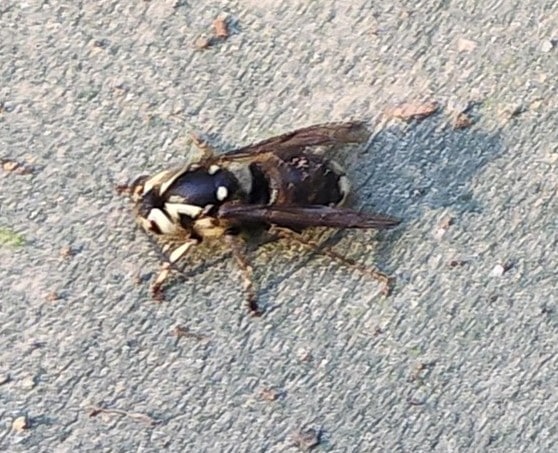
Spiders on the exterior of the home often attract other pests, such as yellow jackets and other wasps that hunt spiders for food. This is why you frequently see wasps hovering around eaves, corners, and other exterior surfaces where spiders are active.
Integrated Spider Management (and IPM)
Proper integrated pest management (IPM) for spiders starts at the exterior of the home, where populations can build up before moving indoors. Spiders can enter through doors and windows, gaps in siding, and other small opening, eventually making their way into basements, storage areas, and living spaces.
When spiders are clearly establishing themselves indoors, targeted interior treatment becomes essential. Sensitive areas such as bedrooms, bathrooms, and rooms where children play often require special attention to reduce both webs and spider activity.
Spider Types of the Pacific Northwest
Common nuisance and pest spiders of Idaho, Oregon, and Washington
Cascade provides control of many spider groups, including orb-web spiders, funnel-web spiders, cobweb-forming spiders, and spiders that actively hunt prey such as wolf and jumping spiders.
Orb-Web Spiders


Orb-web spiders build the familiar spiral, wheel-shaped webs seen in gardens and around homes. In the Pacific Northwest, common orb-web spiders include:
- Cross-orb weaver: Tan, brown, or orange-bodied spider with a highly visible white “T” or cross shape composed of spots on its bulbous abdomen.
- Cat-faced spider: Large, bulky, and usually pale gray, tan, or brown. Features two prominent, horn-like points on its abdomen that vaguely resemble cat’s ears.
- Marbled orb weaver: Large, inflated, almost round abdomen with bright yellow or orange coloring. Affectionately nicknamed the pumpkin spider for its round shape and coloring.
- Banded garden spider: Large, striking, and slender compared to other orb species. Easily identified by a pattern of alternating thin yellow, white, and dark brown / black horizontal bands crisscrossing its abdomen.
- Furrow orb weaver: Smooth, shiny, and oval-shaped, with tan, gray, or dark brown markings. Marked by a dark, wavy pattern on its abdomen, like that of a plowed furrow or a rippled leaf.
- Spotted orb weaver: Hairy, stout, and generally rusty-brown, orange, or dull tan. Features a distinct pattern of two pale, inverted L-shaped spots on the underside of its abdomen.
Where you’ll find orb-web spiders
Orb-web spiders are often found:
- On trees and shrubs
- Along house eaves and overhangs
- Across windows, doorways, and walkways
- Indoors, usually in upper corners of rooms or near light sources
In gardens and woodlands, these spiders can be beneficial when tolerated, but on and inside homes, their large, conspicuous webs quickly become unsightly and difficult to manage.
Funnel-Web Spiders


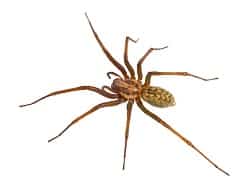
Funnel-web spiders are recognized by their tightly woven, funnel-shaped webs that narrow into a retreat where the spider hides until prey enters the web. In our region, this group includes:
- Giant House spider: Large (almost 3-inch leg span), fast, muted brown with chevron-like markings on abdomen. Mostly found west of the Cascades.
- Hobo spider: Moderate size, earthy brown with a distinct herringbone pattern on abdomen. Very similar in appearance to the Giant House spider, but smaller and less adept at climbing vertical surfaces. (Despite past headlines, health agencies like the CDC consider them non-toxic to humans.)
- Grass spiders: Small, grayish-brown, with two prominent dark, parallel stripes down the head. This timid spider has long, prominent spinnerets protruding from the rear of its abdomen.
Where you’ll find funnel-web spiders
Around homes, funnel-web spiders are commonly found:
- In grass, especially in late summer and fall
- In shrubs, woodpiles, and stored materials near the exterior of the home
- Indoors in undisturbed crevices, storage areas, and gaps between furniture and floors
Because their webs can accumulate quickly, they often contribute to a cluttered, dusty appearance around foundations and landscaping.
Cobweb-forming spiders (irregular webs)


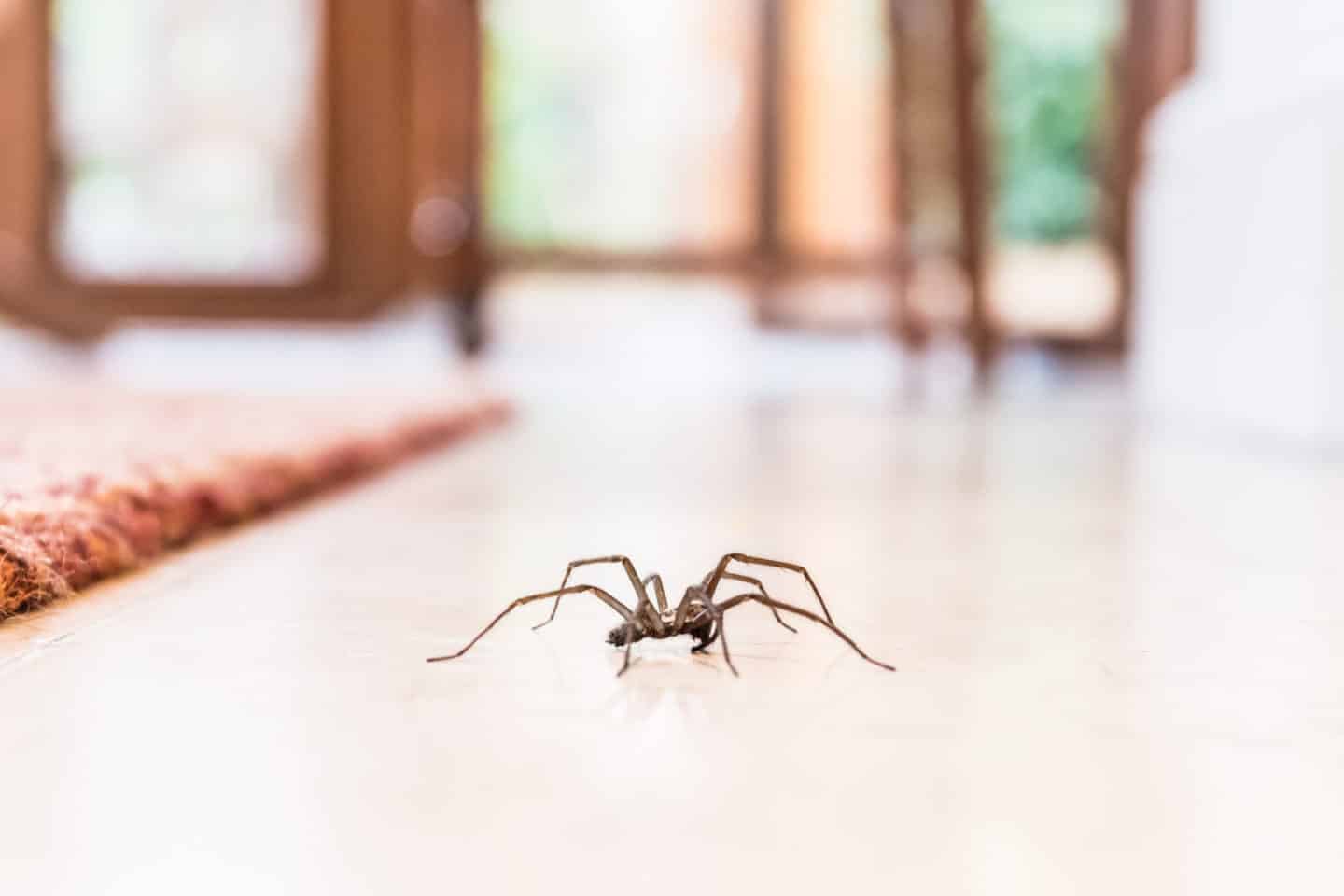
Some spiders create irregular, tangled “combweb”-type webs rather than neat orb shapes. In the Pacific Northwest, these include:
- Long-bodied cellar spiders (aka daddy long legs): Extremely long, thin legs with small bodies. Like to hang upside down in their webs in quiet places.
- American (common) House Spider: Small, rounded abdomens with mottled brown-and-white patterns. They build tangled webs in high corners.
- False Black Widows: Very similar in shape and size to true black widows, but lack the red hourglass marking. Range in color from dark brown to purple.
- Black widows: Shiny jet-black bodies with the signature red hourglass marking on the underside of their abdomen. Not common in western Washington or Idaho, but more prevalent in eastern Oregon and eastern Washington.
Where you’ll find cobweb-forming spiders
Cobweb-forming spiders often occur:
- In upper corners of rooms
- In closets, storage rooms, garages, and sheds
- Around cluttered basements and crawlspaces
- On trees, shrubs, and sheltered exterior surfaces
Their irregular webs tend to collect dust, debris, and dead insects, making them especially noticeable and unattractive in finished living spaces.
Active hunting spiders (no capture webs)

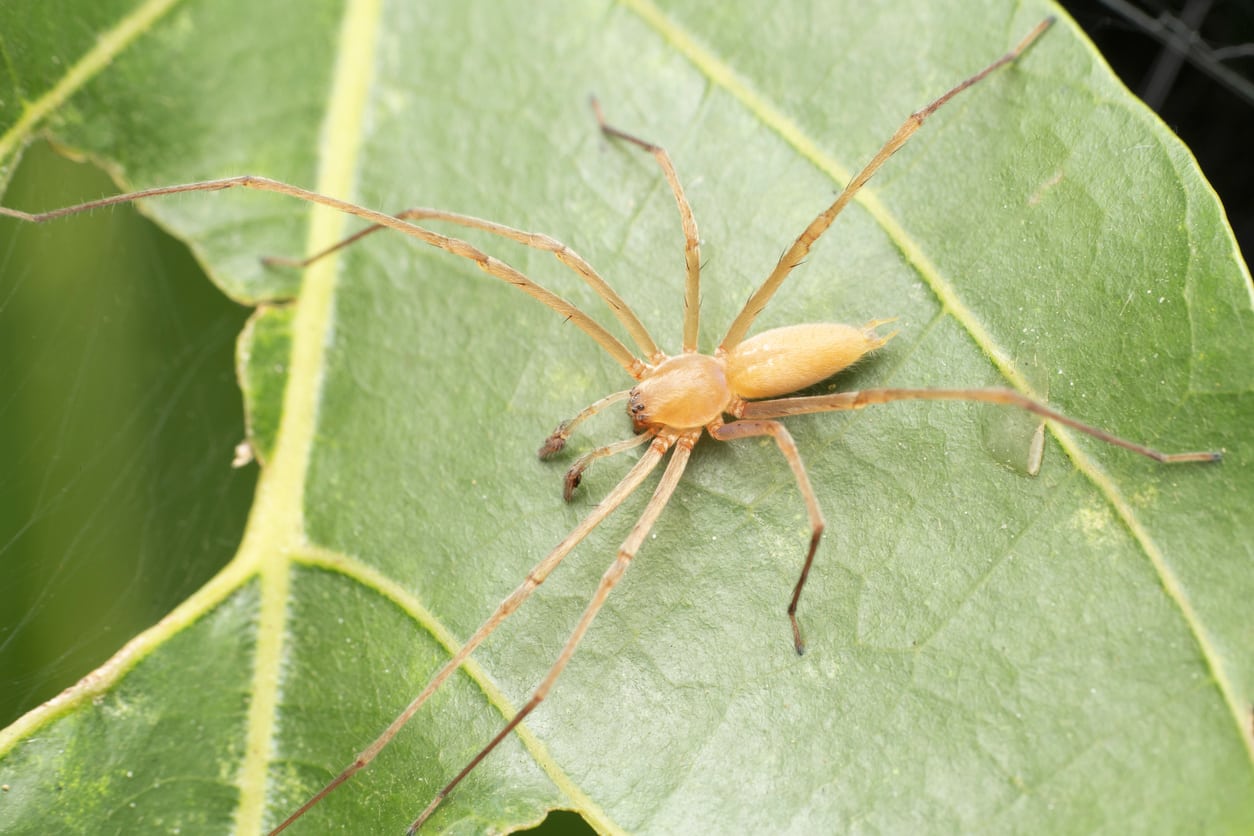
Some spiders do not rely on webs to trap prey and instead pursue or pounce on insects across surfaces. In the Pacific Northwest, this group includes:
- Wolf spiders: Large, hairy, ground-dwelling hunters that do not build webs and hunt at night.
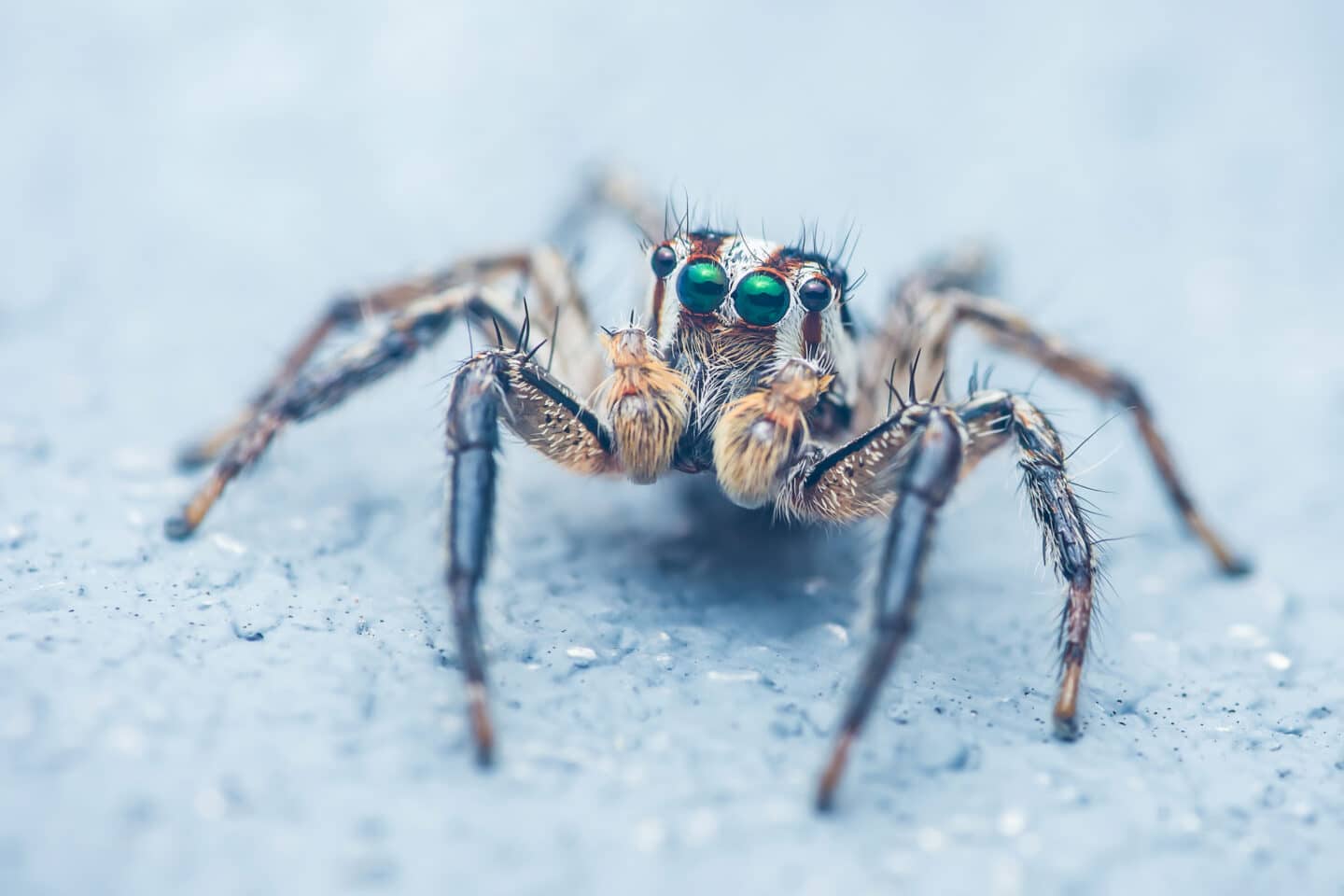
- Jumping spiders: Known for their excellent vision, compact size, and impressive leaps. Agile hunters active during the day.
- Yellow-sac spiders: Pale yellow or beige spiders active nocturnally. Considered venomous, but bites are usually mild and resolve on their own without medical intervention.
Yellow-sac spiders are somewhat unique: they are primarily nocturnal and retreat into a small silk-like sac (or tube) during the day, often rebuilding this shelter within minutes each morning.
Where you’ll find wolf, jumping, and yellow-sac spiders
These spiders may be found:
- Outdoors, on soil, landscaping, and exterior walls
- Around foundations, decks, and patios
- Indoors, most often beneath furniture, along baseboards, and occasionally crossing floors
- Yellow-sac spiders on trees and shrubs outdoors, and sometimes in quiet indoor corners
Because they are more mobile and less tied to webs, these spiders are often noticed when they suddenly move across floors or walls.
How to Avoid Spider Infestations in Washington, Oregon, and Idaho
Homeowners and property managers of commercial buildings can take steps to avoid spider infestations.
- Trim bushes away from direct contact with the home or structure
- Use outdoor lighting that doesn’t attract flying insects (and lure in spiders)
- Avoid storing large items, lumber, or firewood against the exterior of the home or building.
Cascade’s Spider Control Service
Spiders in Idaho, Oregon, and Washington are a normal part of the Pacific Northwest environment, but they can become a real nuisance and, in some cases, a health concern when they move into and around homes. Managing spiders effectively means focusing on the exterior first, then treating interior spaces where activity and webs are evident.
Cascade Pest Control’s Spider Control Service provides both “spider knockdown” treatments and ongoing preventive spider control treatments to limit or even stop spiders from invading your home. Cascade’s “spider knockdown” treatment is most often used as an initial service to commence long-term spider control and protection from spider infestations.
Spider treatments typically combine targeted spot applications of a low-toxic spider spray in strategic locations with the use of a spider pole to whisk off webs, discourage spider habitat, and leave spiders more vulnerable to treatment. Your technician will also advise you if landscaping features or stored items around the home are providing ideal spider harborage, and recommend practical changes to reduce future infestations.
Cascade Pest Control offers professional spider inspection and control using safe, effective methods tailored to homes and businesses across the Pacific Northwest region. If you are concerned about invasive or nuisance spiders around your property, contact Cascade Pest Control today to schedule spider control service and help protect your home and family.