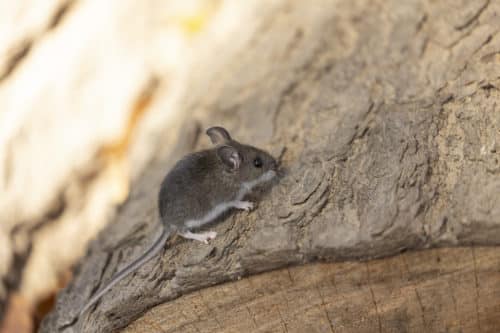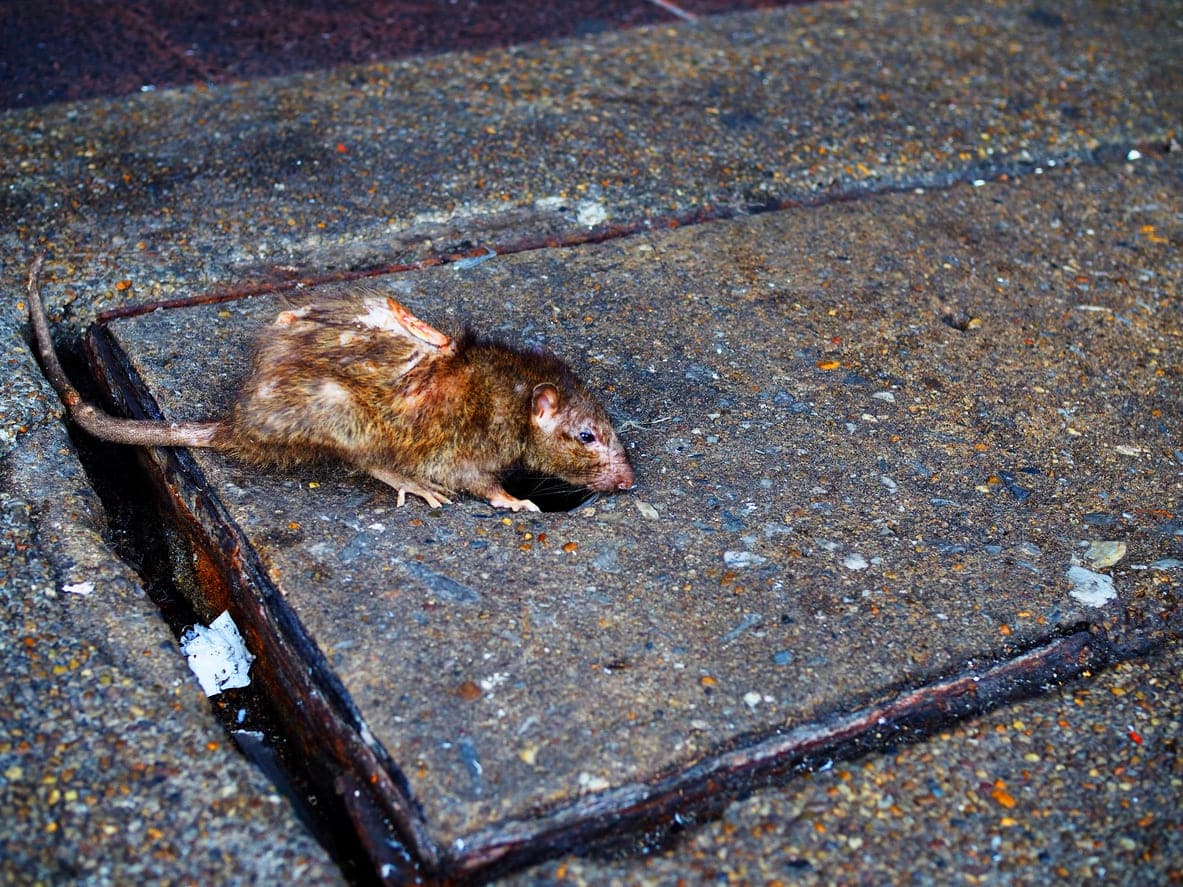
Wherever there are people, there are rats. And it seems that the more people there are, the more rats there are, too. Urban rat problems are more than just a nuisance. Rats in cities are a sanitation and health risk. Understanding how rats adapt to urban environments is the first step in controlling them.
Throughout the Pacific Northwest, cities are teeming with Norway and roof rats. City environments create ideal conditions for rodents to thrive: food, shelter, water, and travel “highways”. The availability of resources allows them to set up house and thrive adjacent to humans.
Why Rats Thrive in Cities
Rats are extremely adaptable to city environments. They are opportunistic, neophobic, and highly resourceful. This means they survive in an urban setting with a wide range of food, tight spaces, and safe nesting.

They are also hard to eradicate because they are wary of new things like traps and baits. In urban centers around the Pacific Northwest, rats take advantage of poorly maintained dumpsters, landscaping, building gaps, and underground travel routes to stay close to resources.
Common rat species of Washington and Idaho that have adapted to urban life.
- Norway Rats: These pests tend to stay lower to the ground and often use burrows, foundations, and sewer-adjacent spaces.
- Roof Rats: These climbers are more often found in elevated spaces like roofs, trees, and utility lines.
In urban spaces, there is no safe space from rats as they capitalize on their flexibility to thrive in neighborhoods, commercial spaces, apartment complexes, and mixed-use districts.
R.O.U.S? City Rats are Getting Larger
While we might not be at Princess Bride levels of ‘Rodents Of Unusual Size’, researchers have found that urban wildlife, including rats, are indeed growing larger in cities. This trend is concerning as rats become harder to control and more secure in their survival. The excessive size of rodents is likely due to more favorable environments that allow them to thrive.
Several factors that contribute to this growth:
- Food source: Urban trash is often an abundant and prolific source of nutrients for rats.
- Protected nesting areas: Extensive buildings, alleys, dumpsters, subways, sewer networks, and more provide ample spaces for rats to nest.
- Relatively stable microclimates: Many climate-controlled areas allow rats to thrive year-round and build large populations.
Dumpsters: Rat Attractants

One of the most serious issues with urban rats is dumpsters. They are the biggest food source for rats in the city. Overflowing trash, loose / open lids, food scraps, and poor sanitation around waste sites create a consistent source of food for all kinds of pests, especially rats. Restaurants, apartment complexes, alleyways, and commercial properties are prime spots where dumpster management can break down, and rats can thrive.
It doesn’t take much to attract a rat to a trash area. Even a small amount of spilled food or refuse overflow creates a habituated response. When rats learn of a reliable source of calories, they set-up house. Nearby harborage becomes a nest, and they will return again and again as part of their travel patterns.
Rat Management Strategies
One of the most effective pest management strategies is removing rat attractants so they are drawn to spaces in the first place. Restricting access to food, shelter, and water, as well as sealing up entry points, can keep rats at bay.
- Seal gaps, cracks, and openings in foundations, utility entry points, vents, doors, eaves, attics, and crawlspaces.
- Keep dumpster and garbage can lids closed tightly. Ensure trash doesn’t overflow containers.
- Clean up food spills quickly around loading areas, patios, and outdoor dining spaces.
- Reduce safe sheltering spaces by trimming dense vegetation and cleaning up clutter near buildings.
- Don’t leave out pet food, birdseed, compost, or other food sources. Secure outdoor storage.
- Watch for evidence of rat presence like burrows, gnaw marks, droppings, and grease rubs (from rat tails) near walls and trash areas.
Rats are survivors and will take advantage of any opening. Ensuring that both indoor and outdoor spaces are difficult to access and not attractive to rats will go a long way to controlling the urban rat problem.
When to Call a Professional

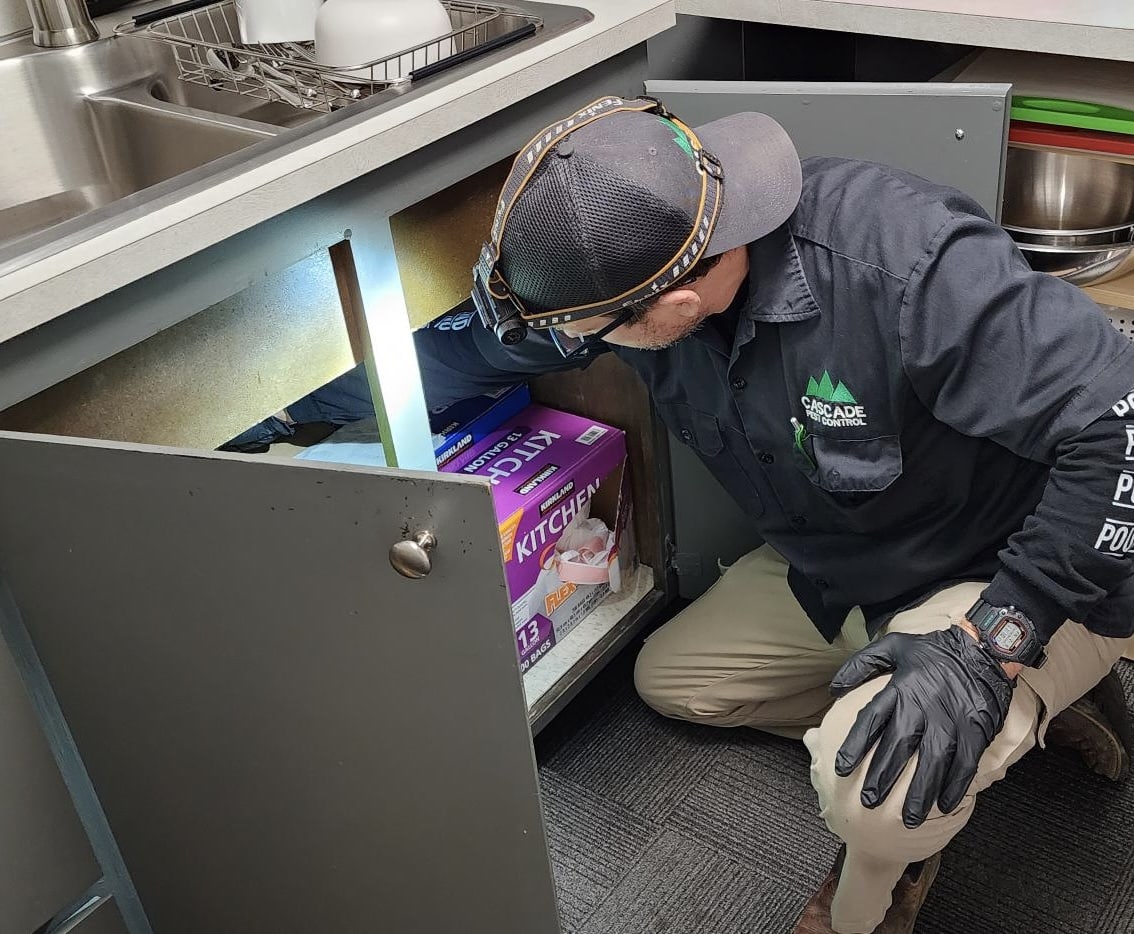
Proactive steps like the ones above are great to try to keep rats at bay, but if you are seeing signs of an active infestation, it is usually a good idea to contact a professional rodent service. Cascade Pest Control has been eradicating pests in the Pacific Northwest since 1979. So if you are seeing signs: droppings, scratching noises, burrows, damaged packaging, gnaw marks, and sightings, call for help.
Cascade technicians use a layered response to identify and target the issue. Because rats use multiple routes, nest sites, and food sources, treatments need to meet the full extent of the problem. The sooner the problem is addressed, the easier it is to stop rats and keep them from expanding their territory.
Urban rats are resilient, but not unbeatable. By understanding how they thrive in an urban environment, property owners can take steps to mitigate rodent risk. The best results include prevention, sanitation, and exclusion working together.