
A chewed cereal box in the pantry. Small droppings beneath the sink. A subtle scratching behind the wall. If you’ve encountered these disconcerting signs, then you know that you don’t always have to see a rodent to suspect one. Often, the first signs of mice or rats in your home occur before you ever see one.
Rats and mice have benefited from humans since their first interaction. These rodents thrive where we thrive, and it isn’t uncommon for homeowners to have to evict these interlopers.
So, how can homeowners detect the early presence of rodents, understand their limitations, and know when to arrange for professional help?
Here are some signs you have a rodent infestation before you see one.
Small Rodent Droppings in Out-of-the-Way Places
You are hosting the annual end-of-summer bash, and you reach for that seldom-used bowl, only to find that it has been used – by mice.
One of the key signs that rodents leave behind is droppings. Just finding droppings doesn’t tell you how many mice or rats you might have in your home, but it does signal their presence. One indication of an active infestation is to wipe up the droppings and see how quickly they appear again.
Note about cleaning up rodent droppings: Spray and wipe up droppings using gloves to prevent them from stirring up into the air where they can be breathed in. Don’t sweep or vacuum them up. Wearing a mask is advised.
Common Discovery Spots:
- Kitchen cabinets and drawers
- Beneath sinks
- Around food packages
- Other concealed areas that rodents can access (attics, basements, garages, behind appliances)

Scratching or Scurrying Sounds Behind Walls
The whole house settles in for the night, and as things get quiet between the walls, a muted sound begins within them.
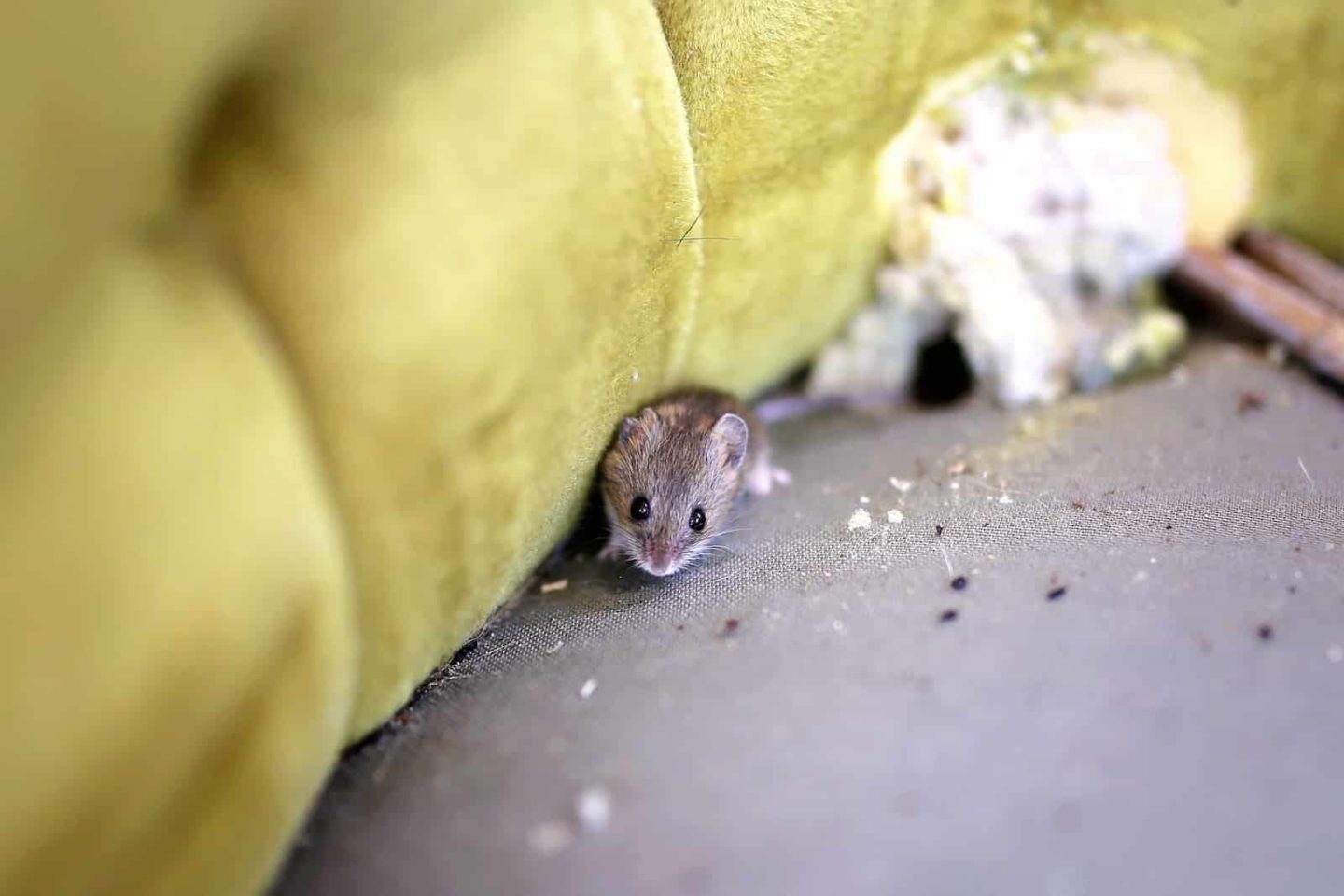
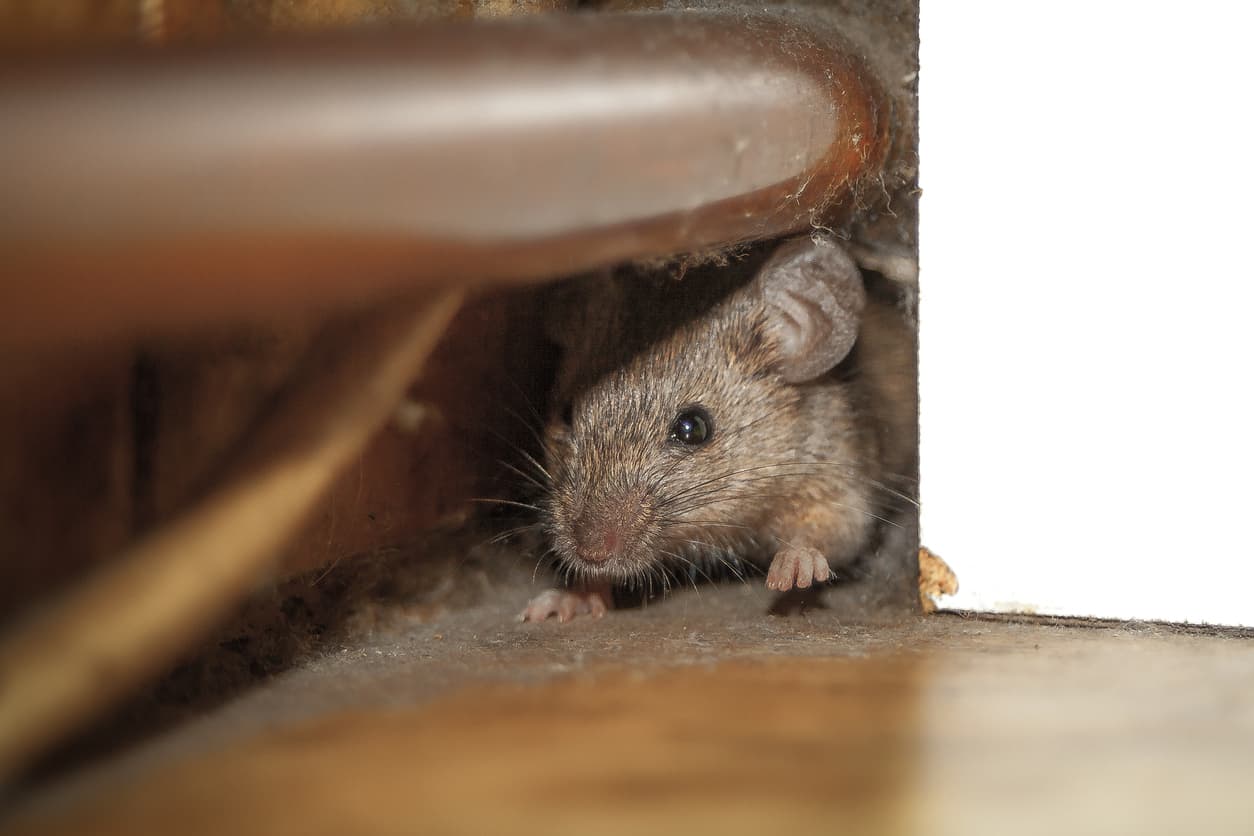
The faint scratching, scurrying, or gnawing sounds that can emanate from walls, ceilings, and attic spaces MAY indicate the presence of rodents, especially after dark. Mice and rats like to build their nests in sheltered spaces – and wall voids are an excellent habitat. They are also nocturnal, so their overnight activities often mean they go unseen.
Note about sounds in the walls: Hearing sounds in your home does not necessarily confirm that you have rats or mice. Verify with other physical evidence like droppings or other marks.
Common Places to Encounter Sounds
- Walls
- Ceilings
- Attic spaces
- Storage areas
Chewed Food Packages and Gnaw Marks
You head to the pantry for a quick fix. You reach for your favorite snack and discover a hole in the bottom corner. It’s no longer your favorite snack.
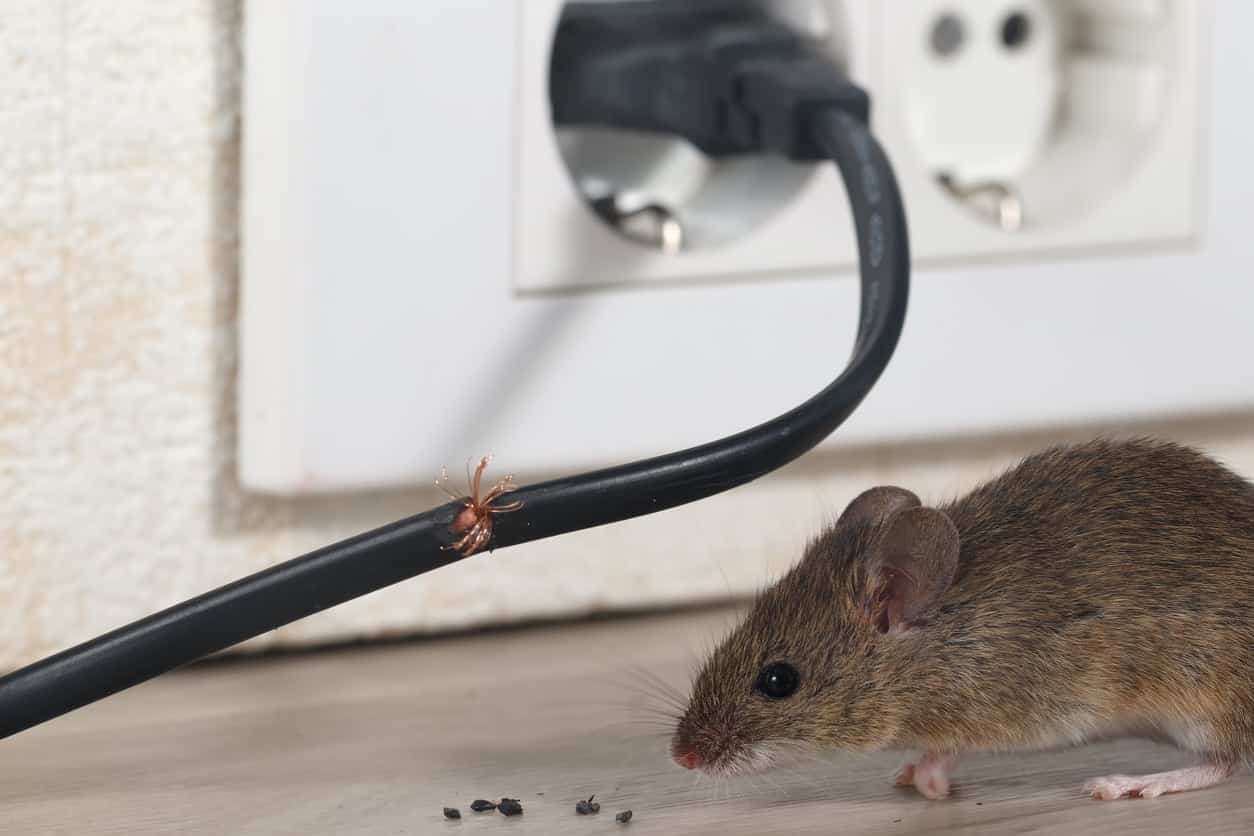
Another clear sign that you have rodents, even if you haven’t seen one, is damage to boxes, bags, and other food, often in pantries and cabinets. But you may also find gnawed items in storage boxes, holiday decor, and electronics. Rodents’ teeth grow continuously, so they are always chewing, not just to gain access to food but to maintain their teeth.
Note on gnaw marks: It can be difficult to determine if gnaw marks are current or evidence of past activity, so it isn’t the only indicator of an infestation.

Commonly Chewed Places and Things
- Cereal & cracker boxes, chips and pet-food bags, and any food stored in thin packaging.
- Wiring and electronics
- Pantry, attics, and storage spaces
- Garages and sheds
Shredded Materials Tucked Into Hidden Areas
You pull out those heels collecting dust in the back of your closet and get more than your heels. You also pull out a clump of shredded paper and fabric.
What makes this a suspicious sign (and not just an example of poor housekeeping) is when the material is gathered in a concealed location rather than scattered like ordinary household clutter. This pile of material is likely a nesting source for rodents.
Common Nesting Materials and Locations
- Paper, fabric, dried plant matter, and insulation
- Attics, walls voids / closets, storage areas, behind appliances
Notes on shredded material: Be careful not to disturb a nest too much, and clean it up like the droppings mentioned above. Avoid scattering or otherwise making the articles airborne. (Don’t vacuum or sweep).
Persistent Odors With No Obvious Source
You head to the spare bedroom to prep for overnight guests when you get a less-than-inviting musty odor. You might be hosting more guests than you knew.
Sometimes rodent odors can get trapped in hidden or rarely used areas. Along with other evidence like droppings, gnaw marks, and scratching sounds, a musty odor can be a sign of rodents, even if you don’t see one. In an otherwise clean room, a smell can be a clue to look for more signs.
Common Spaces to Detect Odor
- Closets
- Attics
- Closed-up rooms
- Storage areas
Note on persistent odors: Not every musty-smelling room is evidence of rodents. Use it as a sign to dig more deeply into other evidence.
Greasy Smudges or Tracks Along Hidden Travel Routes
You glance into the dining room and see a dark smudge along the baseboard running from the kitchen to behind the cabinet. Something else is using Grandma’s china.
Rodents, especially rats, leave a dark trail of sebum behind them, especially along frequently traveled paths. These visible marks can tell the tale of a tail. You might also see small footprints or tail marks in the existing dust along these routes. Baseboards can accumulate dust and scuffs from everyday living, but if you are finding these marks in rarely used spaces or clearly see dust disturbed by paw prints, take notice.
Common Places to Find Tracks
- Along oft-traveled (but hidden from humans) routes
- Along baseboards
- Behind cabinets and furniture
Notes on smudges: Again, don’t jump to immediate conclusions about rodent presence, but take note and look for more clues.
Where to Look When You Suspect Rodents
So, you found one sign, but you haven’t seen a rat or mouse. Take a cursory glance around to see if there is other evidence to compile a compelling case.
Look Around
- Pantries, cabinets, and drawers with food packages
- Beneath sinks
- Along accessible wall edges and baseboards
- Near visible chewed openings
- Around concealed accumulations of shredded materials.
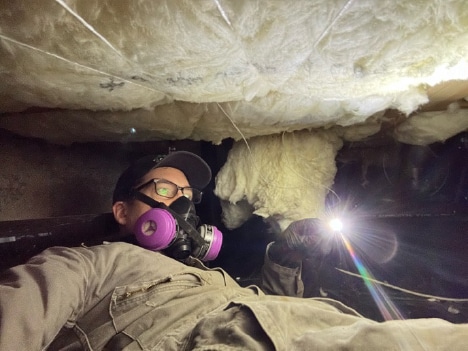
Use this visible check to build your case, but don’t go crazy entering crawl spaces, moving heavy appliances, or disturbing insulation.
What to Do When You Find Warning Signs
Record What You Find
Take a minute to capture an image from a safe distance. Note the location and date. This helps you to determine if a recurring pattern is emerging. Avoid touching contaminated surfaces without precautions in place.
Avoid Unsafe Cleanup
As mentioned above, clean up after rodents carefully. DO NOT sweep or vacuum droppings, urine, or nesting material, as it can send microscopic bacteria into the air and become a health concern. The CDC recommends wearing rubber or plastic gloves, thoroughly wetting the contamination with a disinfectant, leaving it for a time, and then wiping with paper towels and discarding in outdoor trash immediately.
Arrange for Professional Inspection and Treatment
Let the professionals help. If you feel in over your head, let Cascade bring you peace of mind. Our highly trained technicians can inspect your home for these early warning signs and recommend treatment, sanitization, and exclusion options.
Don’t Wait to See What’s Leaving the Clues
If you suspect you might have a free-loader in your home, don’t wait to act. Contact Cascade Pest Control to schedule a rodent inspection and find out what’s behind the chewed boxes, unwanted droppings, and hidden nesting material.