Scratching behind a wall, droppings under the sink, chewed packaging in the pantry- oh my! If you’ve found evidence of a rodent, you likely want them gone yesterday. And you might also be wondering: am I dealing with mice or rats? Knowing what you are dealing with informs treatment.
Rat and mouse traps are not interchangeable, and treatment needs to target the rodents’ actual travel routes and entry points.
There are a few distinctions to look for to determine a mouse vs. rat infestation. Size of droppings and gnaw marks, nesting location, and behavior can all offer clues to differentiate between rodents.
Mouse vs. Rat at a Glance
| Clue | Possible Mouse Infestation | Possible Rat Infestation |
| Appearance | Smaller body; house mice have relatively large ears and small ears. | Larger body; appearance varies between the most common invaders: Norway rats and roof rats. |
| Droppings | Usually about ⅛ – ¼ inch long; often with pointed ends. | Generally larger; size and shape vary with species and age. |
| Gnaw marks | Finer, smaller tooth marks. | Larger, more pronounced tooth marks. |
| Nesting Locations | Warm, protected spaces near food, including cabinets and appliance areas | Norway rats commonly burrow at ground level; roof rats favor elevated spaces |
| Response to traps | Often exploratory, although mice can also avoid traps | Often cautious around unfamiliar objects; prebaiting my improve results |
| Entry openings | Can enter gaps approximately ¼ inch wide | Can enter openings approximately ½ inch wide |
| Treatment | Mouse-sized traps, targeted placement, sanitation, and exclusion | Rat-sized traps, attention to established routes and cautious behavior, sanitation, and exclusion |
How to Identify Mouse and Rat Signs of Infestation
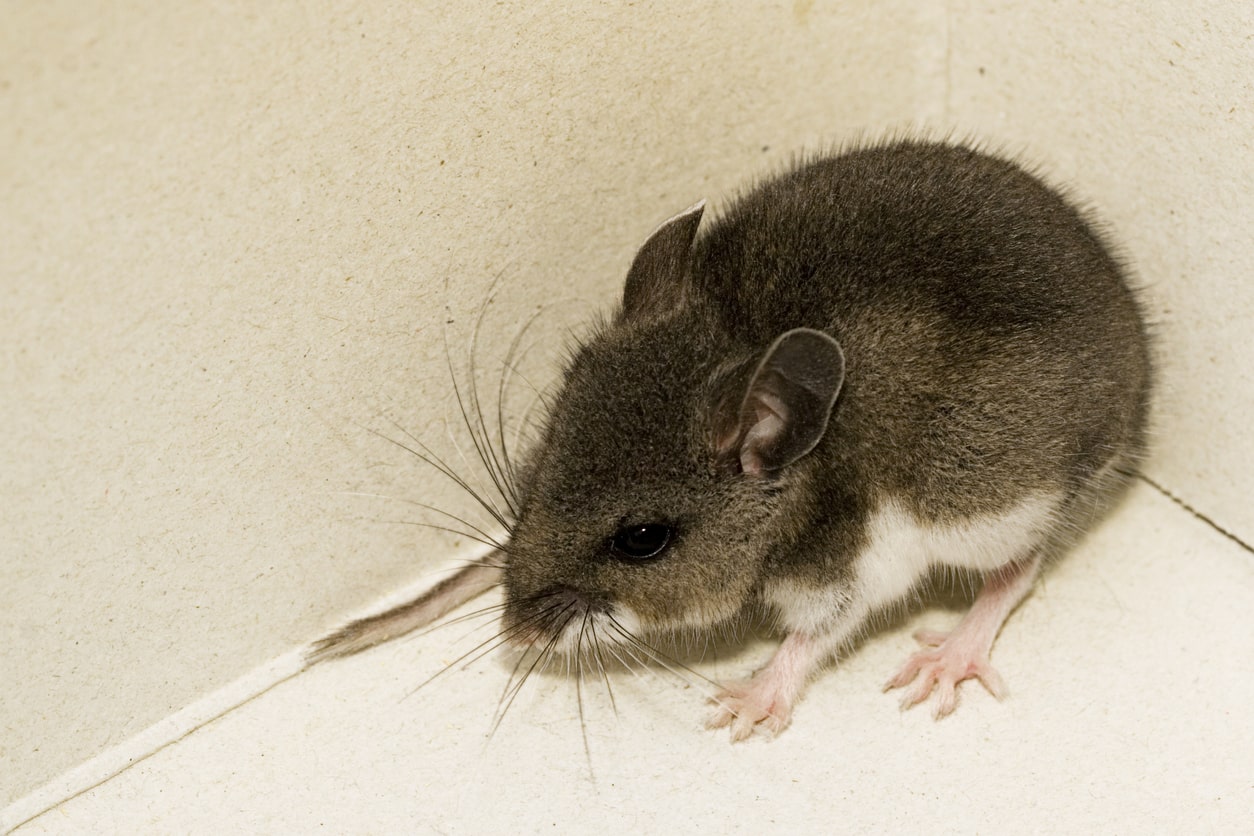
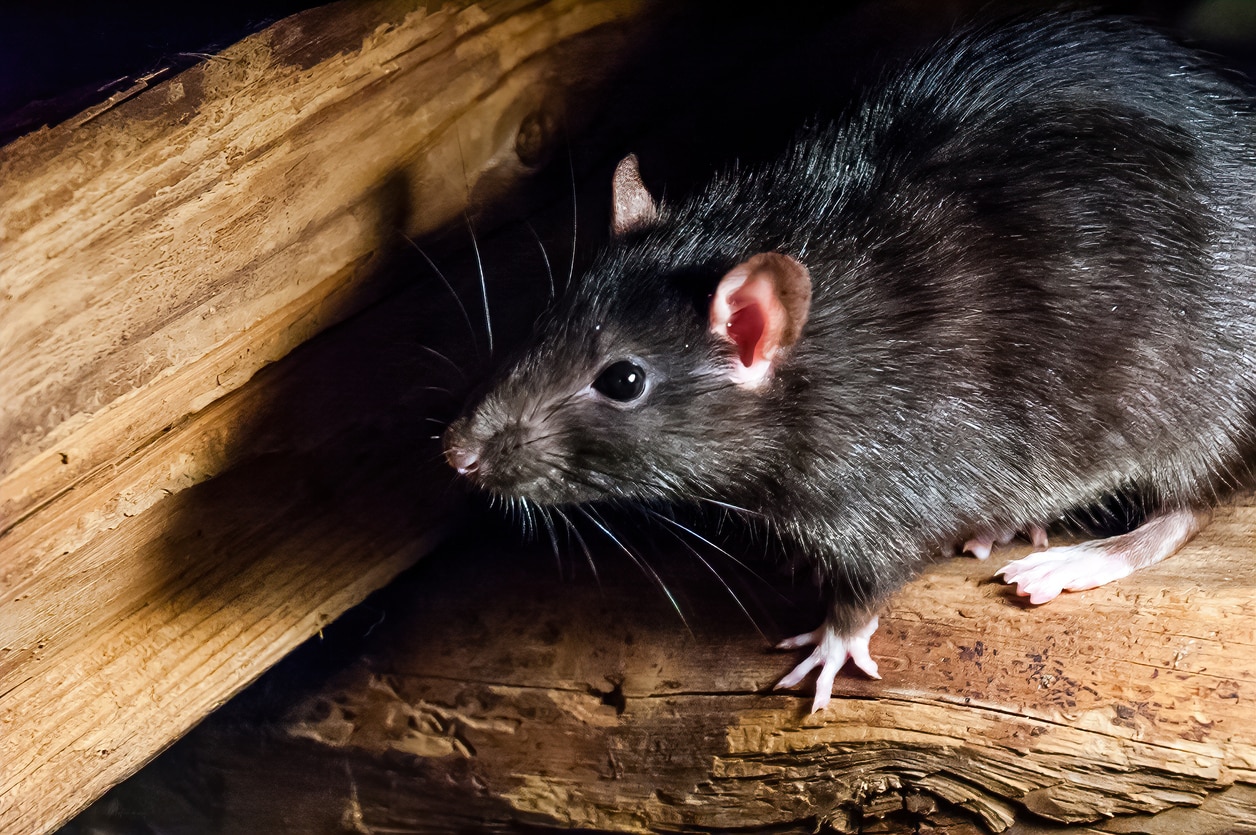
Droppings
- Mouse droppings will generally be smaller than rat droppings. Small, dark pellets, less than a quarter of an inch with one (or both) pointed ends are common for mice. Rat droppings are larger, but young rats may release smaller droppings, which can complicate identification by droppings alone. Mice and rats can release an alarming number of droppings in a day. They may disperse them as cues for navigating a new area. A closer look at size may reveal it is one rodent or multiple. Finding large and small droppings next to each other could indicate adults and juveniles together.
- Be sure to consider other signs than droppings before making a final identification.
- Avoid estimating the size of the infestation on droppings alone: even one rodent can leave many pellets.
Gnaw Marks, Tracks, and Rub Marks
- Signs of gnawing can signal the presence of rodents. Mice will leave smaller, more delicate gnaw marks from their smaller teeth. Rats’ larger teeth will leave larger marks on wood and other materials.
- Oily, brown rub marks along frequently used routes are often a sign of rats. The substance is the sebum that rubs off their long, skinny tail as they skim along baseboards, walls, and other items along their route.
- Inspect along baseboards, areas behind appliances, pipe penetrations, and protected travel paths for evidence of tracks as well as gnawing and rub marks.
Sounds and Sightings
- Scratching, scampering, or chewing sounds are always reasons to investigate.
- Mice often make quieter scratching noises while larger rats can make more substantial noises; however, loud movement alone is not enough to make a definitive identification.
- Don’t use sound alone as a measure of infestation.
Behavior Differences: Where Mice and Rats Hide and How They Move
Mice Prefer Indoors Near Food Sources
- Mice like to make their nests near food sources: beneath cabinets, around appliance motors, and in other warm, undisturbed areas.
- If you suspect mice, look at food availability. Most activity will likely occur around food sources.
- Not all mice are house mice. Distinguishing between house mice, deer mice, and others is another important distinction to know how best to treat the problem.
Rat Nesting Depends on Species
- Norway rats: usually burrow into the ground around perimeters of buildings and crawl spaces.
- Roof rats: as their name implies, these rats are accomplished climbers and prefer to nest in attics, rafters, roofs, and dense vegetation
- Knowing the difference between the species, again, influences treatments, as a burrow at ground level needs something different than a nest in the attic.
Curiosity vs. Caution Affects Treatment
- Mice are naturally curious and will commonly investigate their surroundings. However, they can also be taught and may learn to avoid traps and bait.
- Rats are naturally neophobic and inclined to avoid new objects introduced into their environment. Treatment that uses “prebaiting” (leaving out an unset, but baited trap) may accustom a rat to increase effectiveness.



Mouse vs. Rat Damage: What They Leave Behind
Damage Associated with Mice
- Chewed food packaging and contaminated food storage affect health and cost money.
- Damage to paper, fabric, and other materials used to make nests impacts a home’s energy efficiency.
- Gnawed electrical wires, appliance cords, and vehicle wiring can lead to fire hazards.
Damage Associated with Rats
- Larger tooth marks and gnawed openings
- Damage to wires that can trip breakers and create fire hazards
- Chewing through plastic pipes leading to leaks and serious flooding
- Burrowing through structural materials like wood framing, drywall, insulation, and even soft concrete or aluminum, weakening the building.
Damage Alone Doesn’t Tell the Whole Story
- Both mice and rats chew constantly to keep up with their persistently growing teeth, so both can damage and contaminate materials
- Assess damage alongside all the other evidence before making a definitive identification of the problem.
How Mouse and Rat Treatment Methods Differ
Start with Inspection and Identification
- Identify active areas, food and water sources, nesting sites, and access points to help determine the problem
- Checking low (crawl spaces, behind appliances, etc.) and high (attics, rafters) can help narrow down identification
- Treatment should follow clearly observed areas of activity rather than guesswork.
Use the Correct Trap Size and Placement
- Mouse-sized traps do not deliver sufficient force for rats, and rat-sized traps are generally not sensitive enough to trip for the smaller mouse.
- Rat traps need to be placed where rats are traveling, which is usually a larger radius than mice, who stick close to their nests. Depending on the species, rats can also be burrowed in the ground or staked out in the attic.
- Neophobic rats might also not respond well to traps initially, so time is also an important factor, as rats might need to be taught not to fear the trap with prebaiting techniques.
Use Rodent Bait With Appropriate Safeguards
It is wise to work with a reputable professional pest control company, like Cascade Pest Control, when faced with a rodent problem.
- Baiting and trapping need to be part of a broader management plan, including sanitation and exclusion.
- Rodenticides must be used according to label directions and DIY solutions may not produce the results that professionals can achieve.
- Baits and rodenticides come with risks as well. Be sure to be conservative around children and pets and consider the risk to wildlife as well. Working with a professional can help to mitigate these risks.
- Also be aware of cryptic death (a rat dying somewhere unseen or unreachable). Rodents don’t all conveniently expire outside. Sometimes mice and rats die inside walls and other voids, producing a smell that lasts for days to weeks.
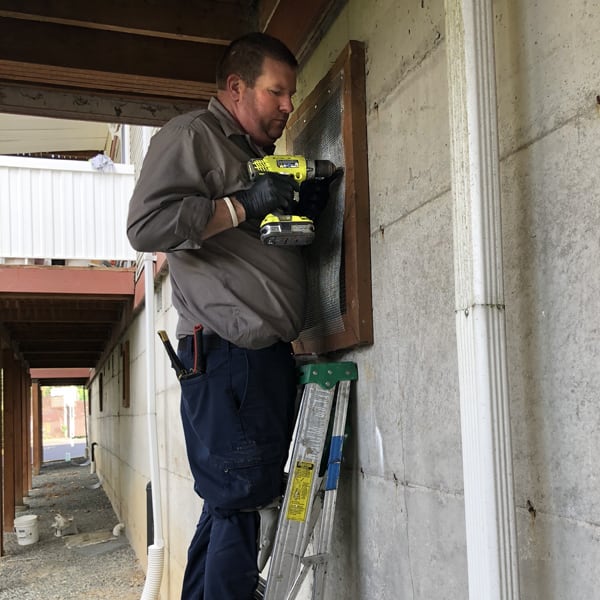
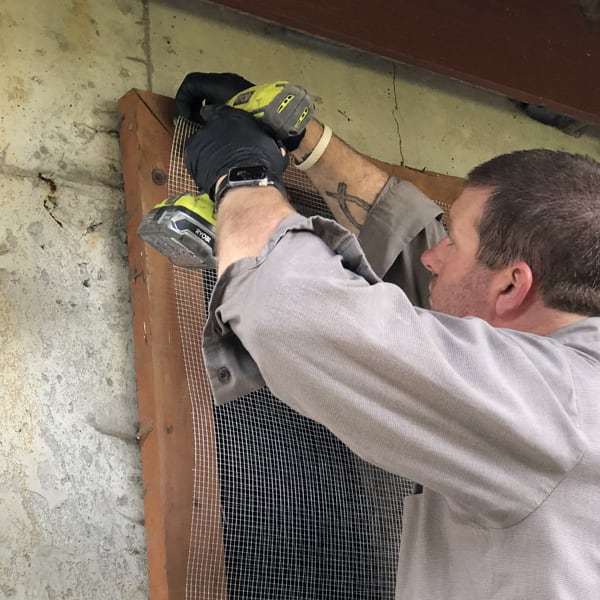
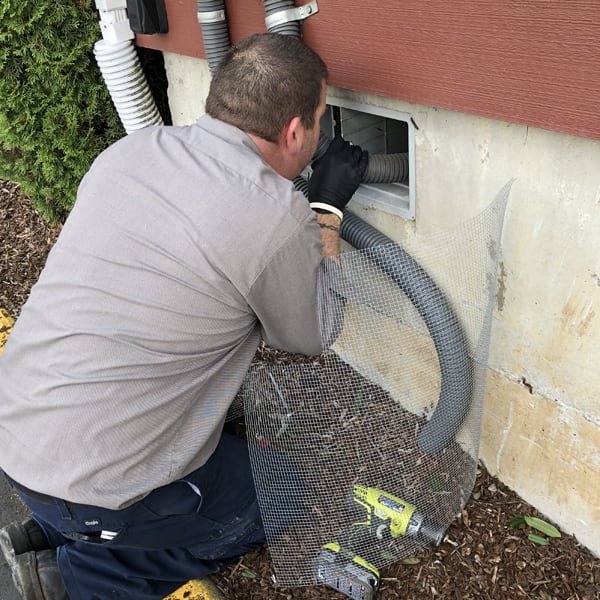
Match Exclusion Work to the Entry Points
- Knowing how rodents are entering is an important step in keeping them out. Mice can enter through gaps just a ¼ inch while rats need a bigger ½ inch opening.Knowing if you have rats or mice can help direct your efforts to close up entry points.
- Address door gaps, damaged vents, utility penetrations, and other structural openings. And don’t focus just on the foundation. Especially if you suspect rats, be sure to inspect rooflines, attics, and vegetation (like trees) that are touching the house.
- Block entry points effectively with heavy-duty materials. Rats can gnaw through many materials.
- If you trap without securing entry points, you are just making your home vulnerable to another infestation.
Prevent Mice and Rats From Returning
Dealing with an infestation is not just about removing the rodent present in your home; it is also about ensuring that they don’t come back.
- Store food in chew-resistant, sealed containers (even pet food)
- Clean crumbs and spills, including behind appliances, quickly
- Manage pet food, garage, and other accessible food sources
- Repair leaks and reduce available moisture
- Seal structural openings
- Keep the lawn maintained: trim bushes / trees away from the house, remove organic waste, dispose of fallen fruit.
- Monitor for signs of an infestation: droppings, gnaw marks, rub marks, etc., even after treatment
Lasting rodent control is about more than eliminating the population; it also includes sanitation, exclusion, and monitoring rather than relying on baits or traps alone.


How Cascade Pest Control Addresses Rodent Infestations
- Initial inspection and assessment of the structure and property.
- Trap setting and bait-station installation based on the findings.
- Assessment of exclusion needs and entry-point repair recommendations
- Ongoing inspection, monitoring, and servicing of control devices.
- Additional exclusion work or contaminated-insulation cleanup when appropriate.
Not sure whether rats or mice are causing the damage? Contact Cascade Pest Control to request a rodent inspection and a treatment plan tailored to your property.