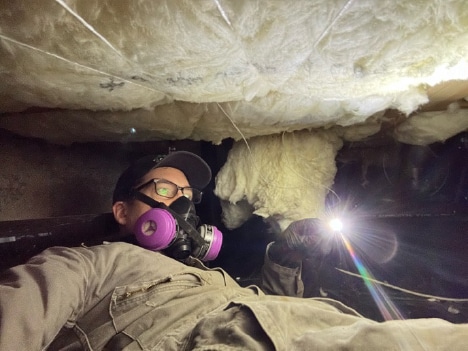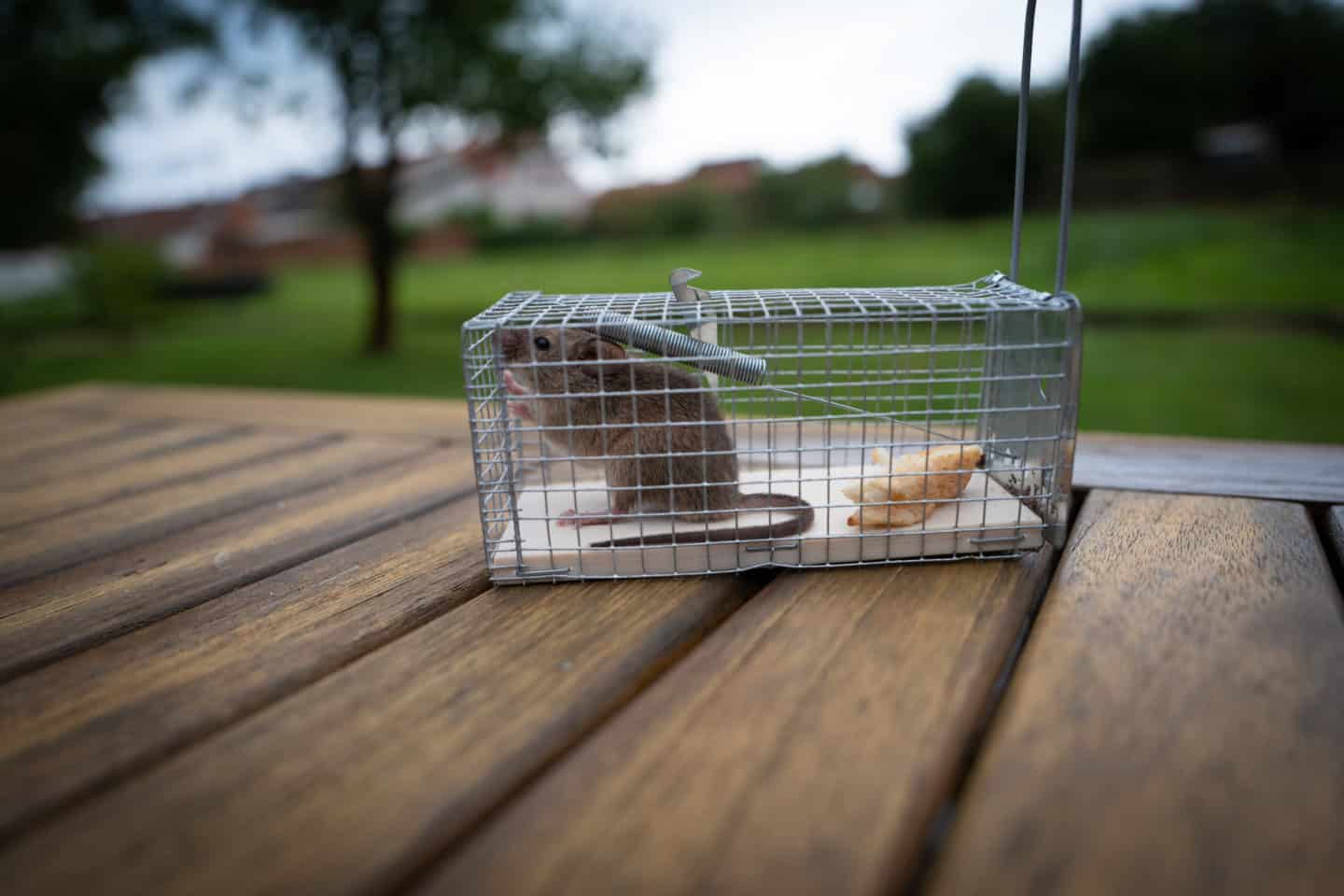
At the first sign of a rodent infestation, homeowners may be quick to set traps in the general area and hope for the best. However, catching an individual mouse doesn’t usually address the conditions that allowed the rodent to enter in the first place. The result: an uncontrolled rodent infestation.

DIY mouse and rat control often fails because it focuses on the immediate, visible problem rather than the bigger picture: access, hidden nests, attractive food / water sources, and rodent behavior. Effective rodent control requires a systematic approach that uses an Integrated Pest Management strategy: inspection, exclusion, targeted treatment, and monitoring.
Here are the most common reasons homeowners struggle to get lasting results with do-it-yourself rodent control.
DIY Efforts Treat the Symptoms, Not the Cause
Catching, trapping, or killing rodents indoors does not prevent more from entering (or already nesting there). If gaps, cracks, openings, or damaged screens remain accessible, the home can continue to be infested.
A rat can enter through a space as small as a quarter, while mice need even less space – the size of a dime. A surprisingly small, often overlooked space can be a welcome mat for rodents.
Common Problem Areas:
- Gaps beneath garage or exterior doors
- Unsealed opening around plumbing or electrical penetrations
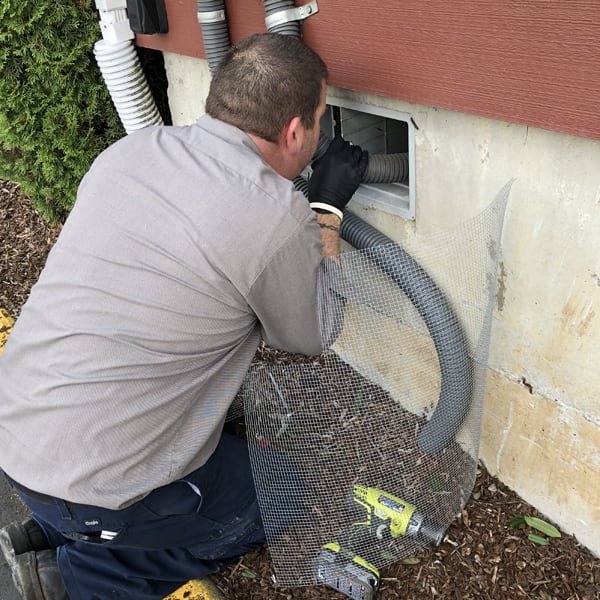
- Damaged vent covers or screens
- Foundation cracks
- Gaps around siding, soffits, and roof intersections
- Openings around attic vents or crawl-space openings
- Inadequate materials to block these openings. (Use metal mesh, not cloth or plastic.)
A DIY trap might catch one rat or mouse, but it doesn’t magically seal a structural opening in your home. Tackling both obvious and less visible access routes is necessary for true control. A professional, like Cascade Pest Control, can inspect and identify entry points homeowners are most likely to overlook.
DIY Efforts Often Underestimate Infestation Size
You’ve probably heard the adage about pests: “If you see one, there are probably more”. And that is definitely true for rodents. One rodent spied indoors is only a small part of the actual problem. Rodents are nocturnal and largely try to remain hidden from humans. They also reproduce very quickly under favorable conditions: readily available shelter, food, and water, which your home likely supports. They could be living quite comfortably in spaces throughout your home without you being aware, until you spy that one whiskered face.
Common Signs of a Broader Population
- Repeated droppings even after cleaning them up
- Scratching, scurrying, or chewing sounds at night, particularly in walls or other voids
- Gnawed food packages, wires, wood, or insulation
- Grease marks along walls or baseboards are a common sign of rats dragging their tails
- Unusual pet behavior near walls, cabinets, or appliances
- Piles of nesting material such as shredded paper, fabric, insulation, or cardboard
When homeowners see one mouse, they often assume they have one mouse. In reality, a visible rodent can be a sign of a larger population living in areas that are difficult to inspect.
DIY Efforts May Miss Hidden Nesting Areas
As mentioned above, rodents do not like to be seen. They will not nest in plain sight. Their nesting areas are often inaccessible, insulated, and well-protected from casual DIY efforts at rodent control. Rodents will seek sheltered, quiet, warm, and low-traffic areas. Also, they may have more than one location. Removing a visible nest might not address the secondary nesting site. DIY treatment will not work without locating all active harborages.
Common Nesting Locations:
- Attics and wall voids
- Crawl spaces
- Insulation
- Garages and sheds
- Behind appliances
- Storage boxes and cluttered areas
- Under decks or in dense vegetation near the home
Another reason to be cautious about destroying rodent nests is the sanitation concern. Homeowners should avoid sweeping or vacuuming rodent droppings without appropriate precautions, since disturbed droppings and nesting material can spread harmful bacteria when aerosolized. Professional services can help safely assess and address contamination.
Even when homeowners use the right product, results can be disappointing if traps or bait are not placed where rodents actually travel.
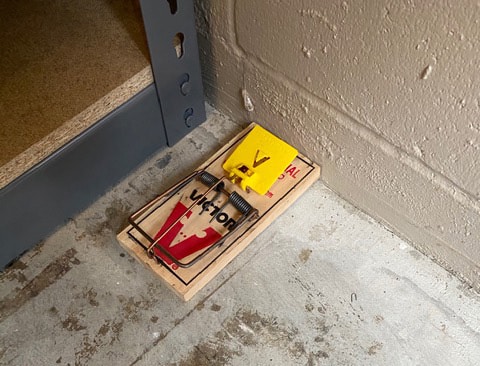
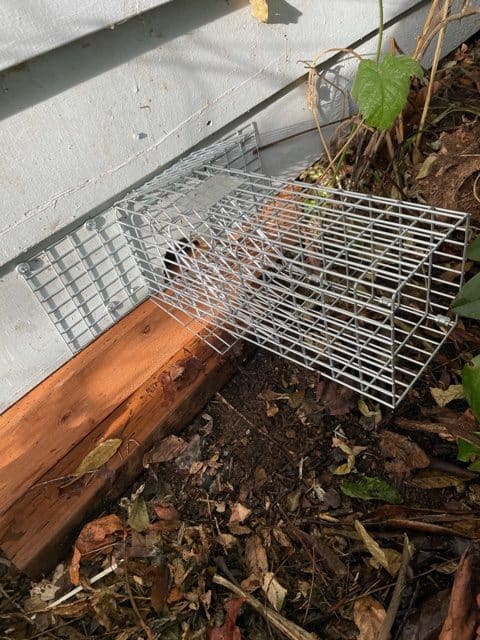

DIY Efforts Fail If Trap Or Bait Placement Is Poor
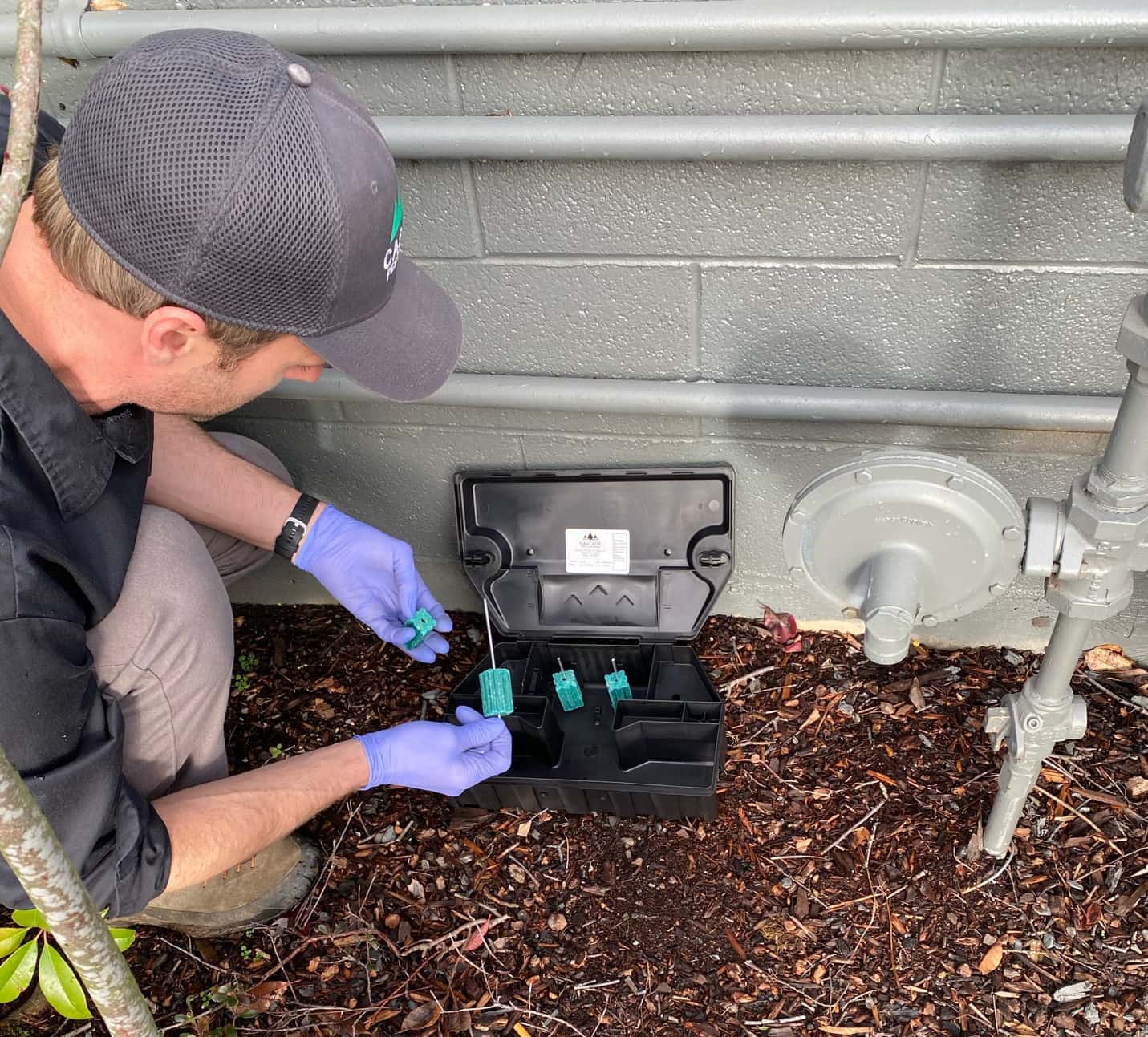
More than the number of traps you place or the strength of the bait you use, placement of baits and traps is paramount. Rodents typically move along the edges: along walls, behind objects, and through sheltered travel routes rather than across open areas. If bait or traps are placed incorrectly, they will be ineffective, or worse, harmful to children, pets, or other wildlife. Improper use of bait can also result in rodents dying in inaccessible wall voids, creating odor problems.
Common DIY Placement Mistakes:
- Setting too few traps
- Putting traps in visible but low-activity locations
- Failing to place traps along walls or known runways
- Using bait that is not attractive relative to the available food sources
- Leaving pet food, pantry food, birdseed, trash, or other food available
- Failing to check, reset, and monitor traps consistently
Scattering traps or bait willy-nilly is frustrating and a waste of time and money. Effective control relies on identifying travel paths, feeding areas, nesting zones, and access points. Professional pest control, like Cascade, leverages its considerable knowledge and resources to tackle the problem effectively.
DIY Solutions Miss That Rodents Learn and Adapt Quickly
Rodents are cautious, adaptable animals. Rats and mice are often used in mazes and experiments because of their intelligence. DIY rodent control may overlook how rats and mice learn to avoid baits and traps, making these methods ineffective.
Common Ways Rodents Avoid DIY Measures
- Rodents, particularly rats, are neophobic. Being wary of unfamiliar objects can make them avoid traps and baits.
- They may shy away from traps placed in exposed areas or near strong human scent, disturbance, or unusual odors.
- If a trap is set incorrectly, too lightly, or in the wrong direction, rodents may take the bait without being caught.
- Changes in food availability can influence which bait they prefer.
- Rodents may alter their travel routes if they encounter danger or repeated disturbance.
Cascade Pest Control technicians use experience and monitoring to adjust placement, tools, and treatment strategies based on rodent behavior. Rodent control is about more than just putting out a trap. Understanding where rodents travel, what they eat, how cautious they are, and how activity changes after treatment begins all influence successful rodent control.
DIY Methods Miss the Conditions Attracting Rodents
The best offense is a good defense, but DIY methods often start by aggressively targeting the first sign of rodents instead of dealing with the conditions bringing them in the first place. As your property becomes less attractive and less accessible, fewer rodents will be found.
Common Conditions That Attract Rodents:
- Food Attractants: Unsealed pantry items; pet food left out overnight; overflowing garbage or unsecured trash bins; birdseed, fallen fruit, or outdoor feeding areas.
- Moisture Attractants: Leaky pipes, dripping outdoor faucets, standing water, poor drainage.
- Shelter Attractants: Cluttered garages, sheds, and storage areas; firewood stacked close to the home; dense vegetation touching the structure; debris near the foundation
Any complete rodent control plan must address sanitation and habitat reduction so that exclusion and targeted control can work on an active infestation. If attractants are dealt with, reinfestation is unlikely to occur. Reducing food, water, and shelter makes the property less inviting and improves the effectiveness of a rodent control plan.

The Professional Advantage: A Complete Rodent Control Plan
Professional rodent control addresses all the issues at work in a rodent infestation rather than relying on a single product or one-time DIY response.
Professional Rodent Control Can Include:
- Detailed inspection of the interior, exterior, attic, crawl space, garage, and other likely activity areas if needed
- Identification of rodent species and signs of current activity
- Detection of likely entry points and recommendations for exclusion steps
- Strategic placement of traps or other appropriate control measures
- Assessment of nesting zones, travel paths, food sources, and sanitation issues
- Monitoring and follow-up visits to confirm that activity is declining
- Adjustments to the plan when rodents change behavior or new evidence appears
- Guidance for preventing future infestations
At Cascade Pest Control, effective rodent control begins at the source, understanding how rodents are getting in, where they are nesting, and what is contributing to continued activity.
If you are seeing droppings, hearing activity in walls or ceilings, finding gnaw marks, or repeatedly catching rodents without solving the problem, Cascade Pest Control can help. Contact us for a professional inspection and rodent control plan designed to address the infestation at its source.