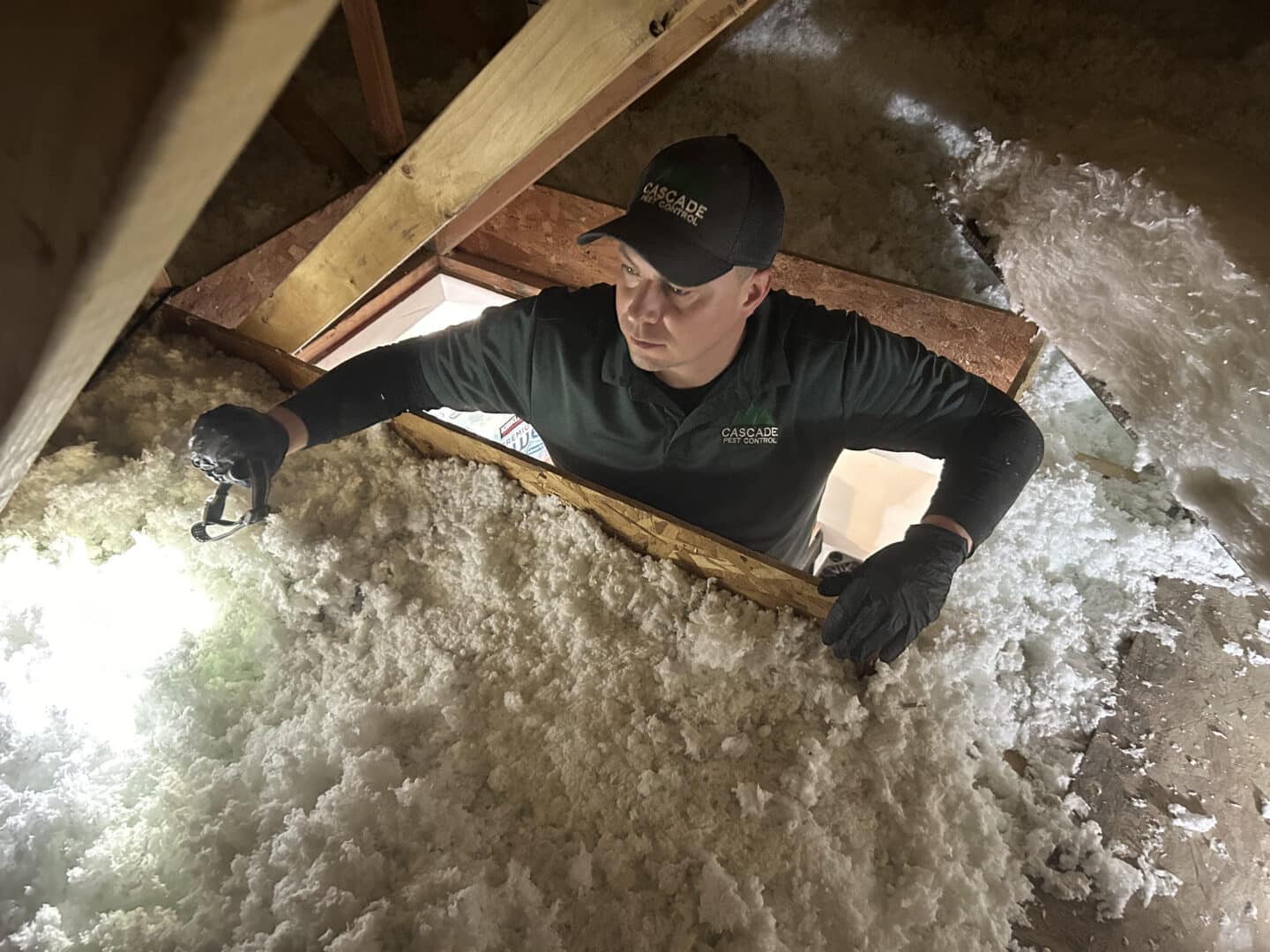
Do It Yourself Rodent, Rat, and Mouse Control in Boise, Eagle, Meridian, Caldwell, Garden City, Nampa, and Kuna Idaho.
For those who want to attempt do-it-yourself rodent control in or around their home for rats, mice, or squirrels here is a checklist of items to check and/or perform:
Rodents in general—this applies to any rodent problem whether mice, rats, or squirrels.
- Determine the type of rodent. Is it a mouse, a rat, a squirrel, or a chipmunk? Rodent control differs somewhat depending on the specific species. If you see a mouse or rat, dead or alive, you may be able to easily tell what you are specifically dealing with. Please note, however, that very young rats look superficially like mice. There are many online resources that help you tell by appearance of the rodent or even by the size and appearance of their droppings.
- Remove rodent harborage, if possible. Rodent “harborage” refers to places and materials that rodents may use for nesting. Look outside near the home and in garages and sheds for: stacks of firewood or other storage or debris that they perceive as a safe place to hide and nest. Nest materials can be dried weeds, paper, and other items. Unfortunately, the cavities built into our homes—in walls, within attics, and within substructure crawlspaces. And the home’s insulation is a perfect nesting material.
- Seal rodent access. Carefully inspect your home (or other buildings) for small holes that allow rodents to enter the structure. Sometimes this is as simple as starting a new practice to keep the garage door closed when not in immediate use. But it can also mean sealing that same garage door tightly with appropriate hardware. Other places to look for are small holes where plumbing or wiring enter the home, or gaps at the base of siding or under eaves. Also check for breaks in attic or crawlspace screening. Sometimes the gap or hole can be high on the roof.
- Preventing food sources. Some rodent food sources are hard to control, such as the dog or cat food your neighbors leave outside for their pets. But you can ensure that any uneaten pet food of your own is never left behind. Also, spilt bird seed from bird feeders is an excellent source of rodent food and should be mitigated. Other rodent food sources are garbage in cans with lids that don’t fit tightly. Also, do not store pet food in a garage in paper or plastic bags as the rodents will chew their way into it.
Do It Yourself Mouse Control
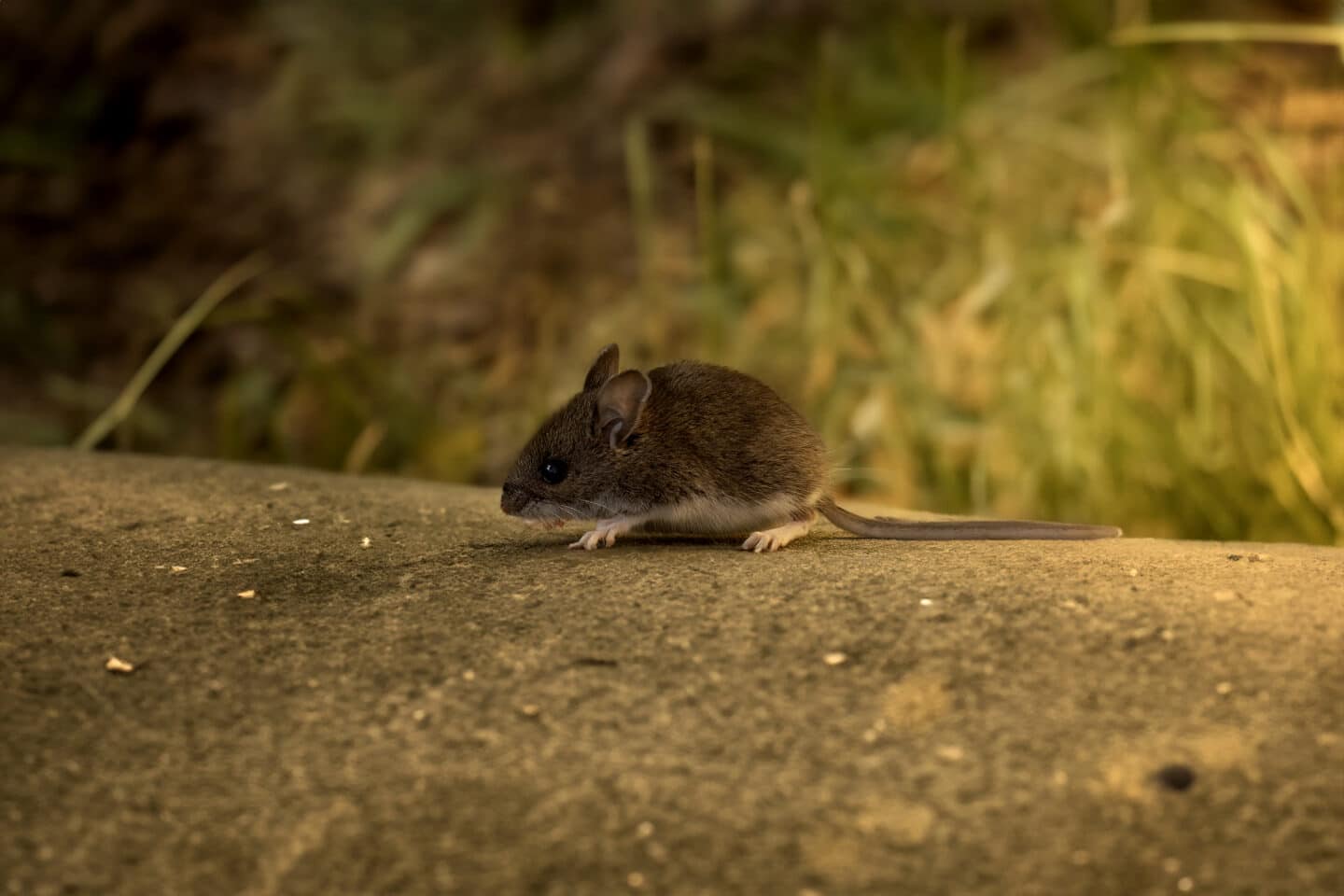
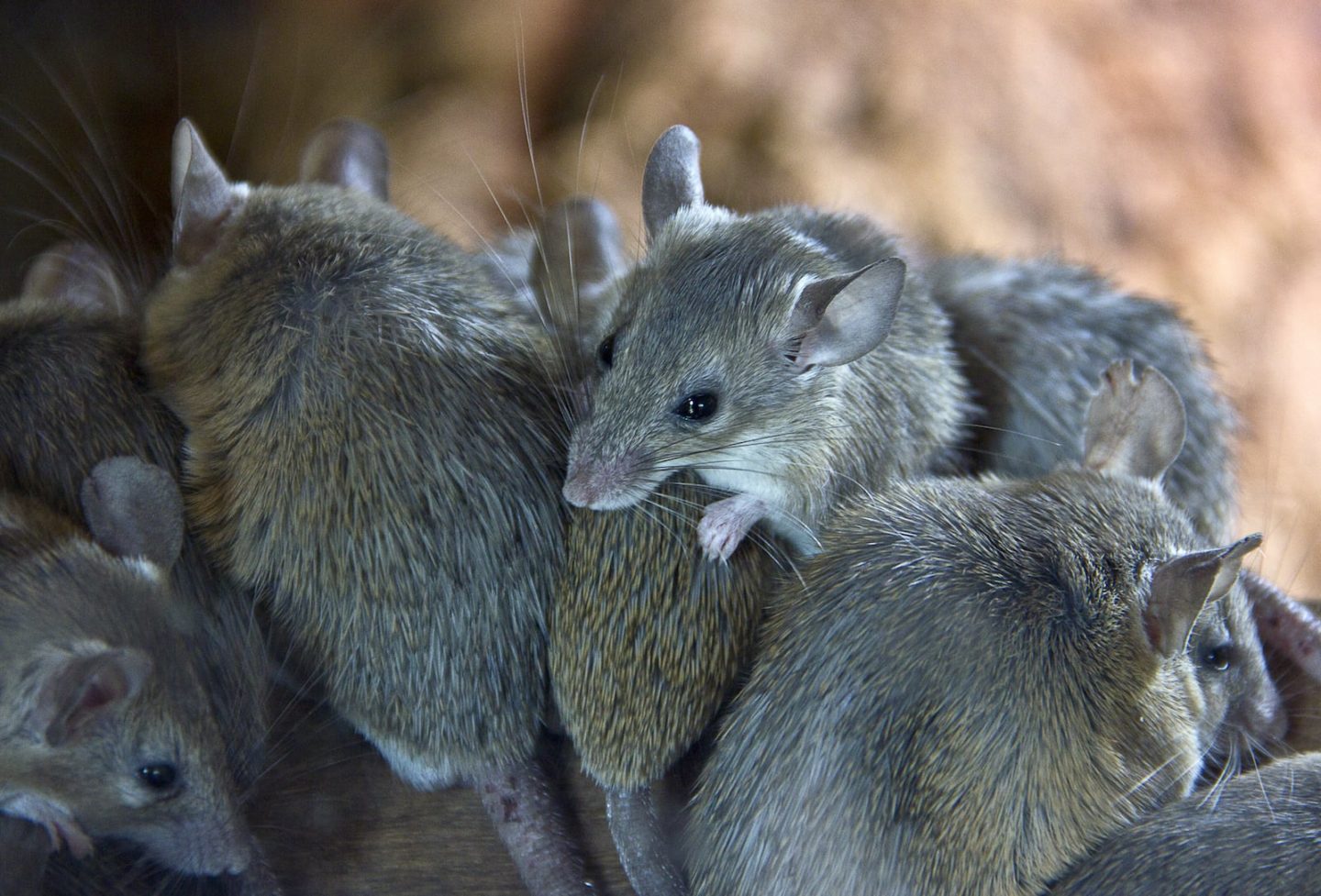
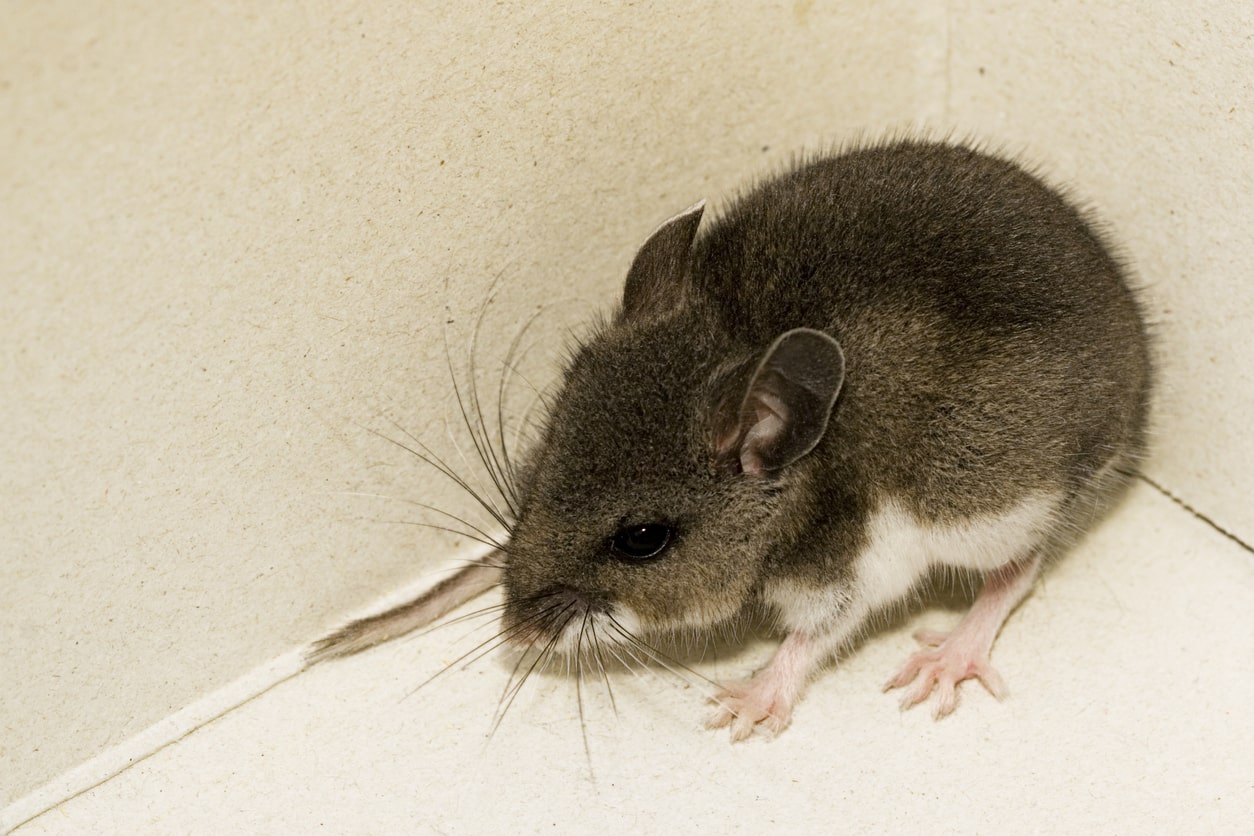
Mice are native to the Treasure Valley (Boise, Meridian, Eagle, Nampa, Garden City, Caldwell, Kuna) and are well established throughout the area.
Mice breed quicker than most other rodents and are quite small. Although people get more anxious around rats than mice, mice are known to carry disease, like Hantavirus.
- Exclusion – Mouse exclusion is the practice of closing and sealing gaps and holes that allow the mice entry into sheds, garages, and homes. This can be done with ¼” hardware cloth, cement, or metal flashing. Keep in mind that mice can get through a gap that is as small as a pencil width.
- Traps – Mouse traps can be effective; however, they must be out of reach of children or small pets. Always place the trigger end against a wall. Do not use cheese as bait.
- Bait – Poison bait is commonly used to control mice. It is extremely important to keep any mouse bait out of read of children or pets. Bait is best placed within a plastic, metal, or wooden “bait station” to keep unwanted animals and children from the bait.
Do It Yourself Rat Control
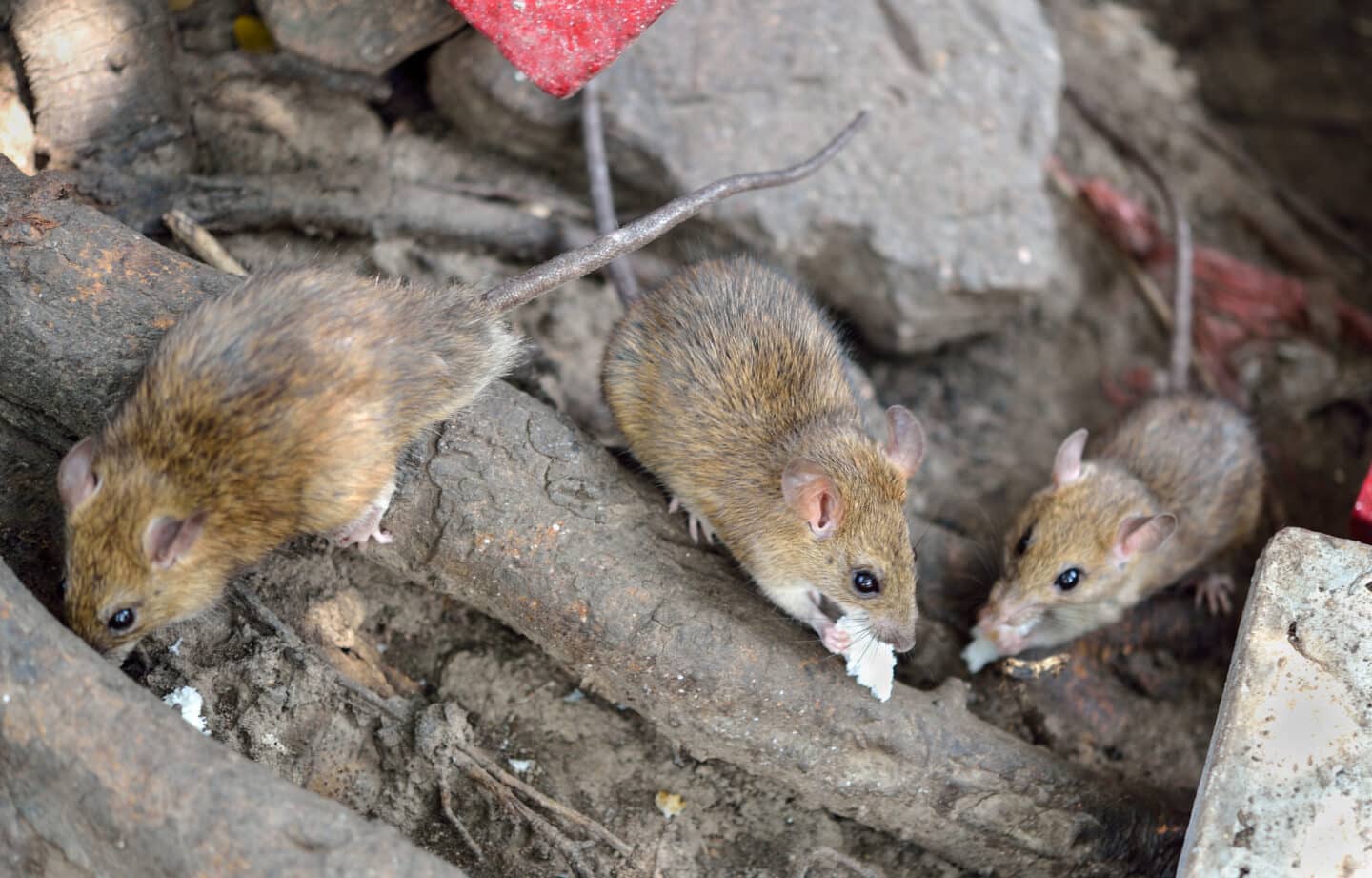
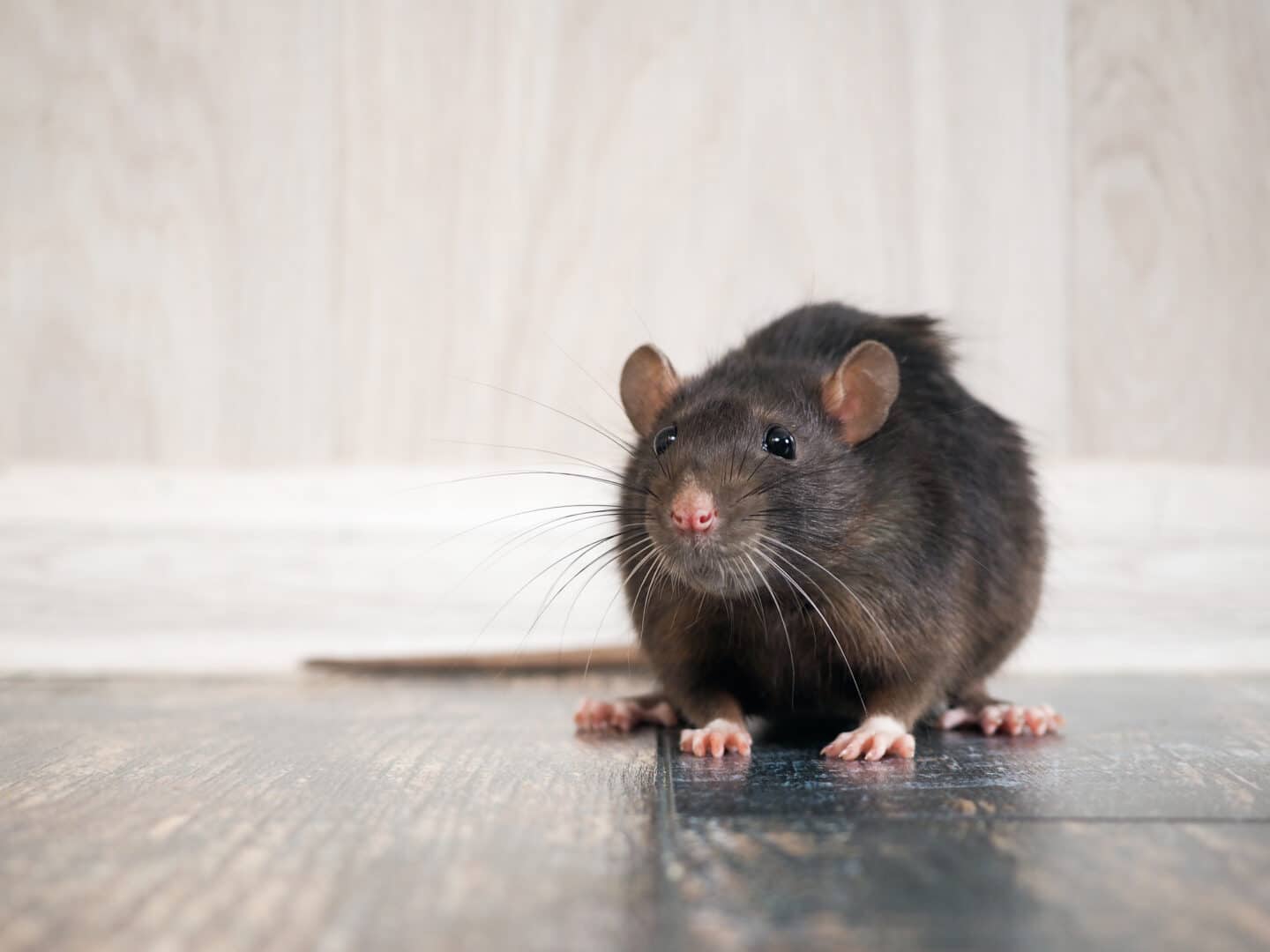
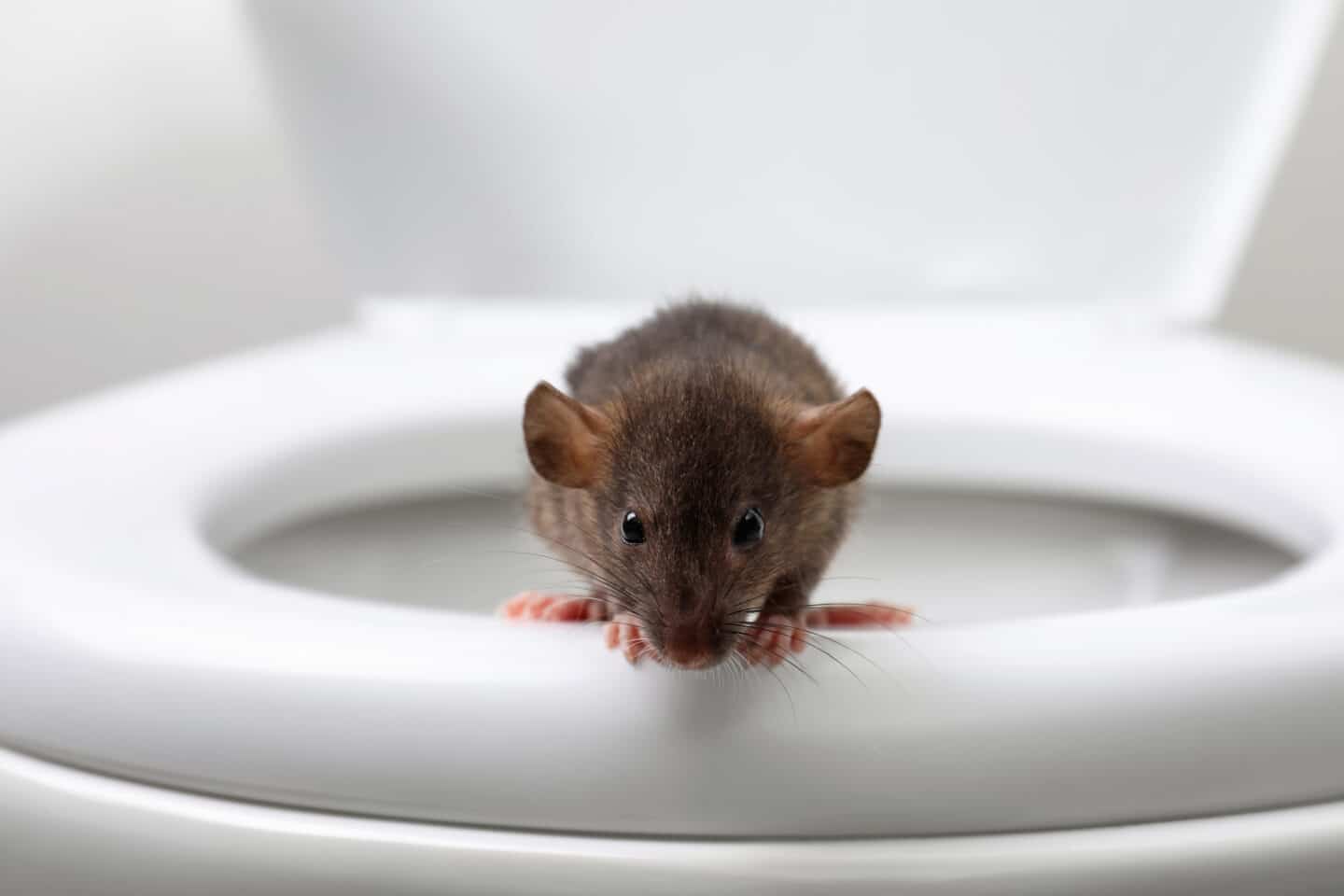
Rat populations are relatively new to Treasure Valley. There are two kinds of rats—Norway rats and roof rats. Rats are larger and more aggressive, and they have to drink water. So, try to eliminate any easy water source in your yard.
- Exclusion – Rats are larger but can squeeze through a hole the size of a quarter. So rat exclusion includes sealing or blocking all gaps and holes where they can gain entry into any shed, garage, or your home. Installing ¼” hardware cloth is an excellent way to seal most holes.
- Traps – Rats are larger and require traps specifically designed for them. Peanut butter is an effective way to bait the trap, however it will also attract dogs and squirrels so it should only be used inside attics, crawlspaces and garages.
- Bait – Poisonous rat bait can be effective, however great care must be taken to avoid harming pets and non-target wildlife. Also, rat bait should never be within reach of children. Baits are best placed within rat ‘bait stations.’
Do It Yourself Squirrel and Chipmunk Control
Certain species of squirrels and chipmunks are protected so be sure to check and adhere to regulations. Since they are often desired small wildlife species, we suggest careful and detailed exclusion methods, or live trapping and relocation.
- Exclusion – Squirrels are often the size of rats and chipmunks closer to the size of mice so use information above for exclusion tactics.
- Traps – We recommend using live trapping and relocating these rodents well away from your home.
To help you orient rodent, rat, and mouse control in Boise / Treasure Valley region, here is a video provided by Cascade Pest Control. The video contains information on Checking Roof Areas (where rats and mice can get in), Rodent Food Sources & Access, Crawlspaces (under home), Attic spaces, Bird Feeders & Rodent Burrows (along foundation), and more.
Controlling rodents can sometimes be relatively easy and at other times it is very challenging. This guide should help many homeowners organize themselves to manage do-it-yourself rodent control.
Contact Cascade Pest Control with questions at 208-693-5228 and we’ll help talk you through your rodent problems!