Both Western Washington and Idaho homeowners are facing the summer threat of yellow jackets. Here’s what you need to know.
These stinging wasps are native to the Seattle / Puget Sound and Boise / Treasure Valley area and often build their nest underground, surprising mowers, gardeners, children, and pets. These underground nests can be easy to miss and dangerous to disturb, so it is important to identify the problem, avoid common DIY mistakes, and know when to trust the professionals.
Why Ground-Nesting Yellow Jacket Nests Matter
Yellow jackets are a problem for homeowners. A small hole in the ground might be hiding a colony of yellow jackets that will vehemently defend their home.
These insects can build their nests in an abandoned burrow or protected soil voids. They start small in the spring, but nests grow throughout the summer. Late summer is often the most aggressive season for yellow jackets.
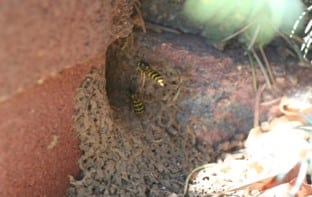
How to Identify Yellow Jackets
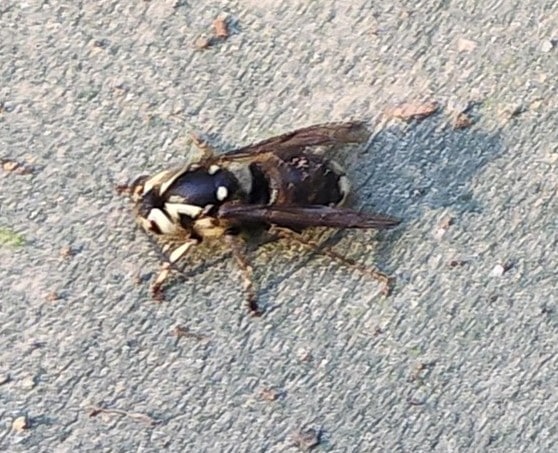
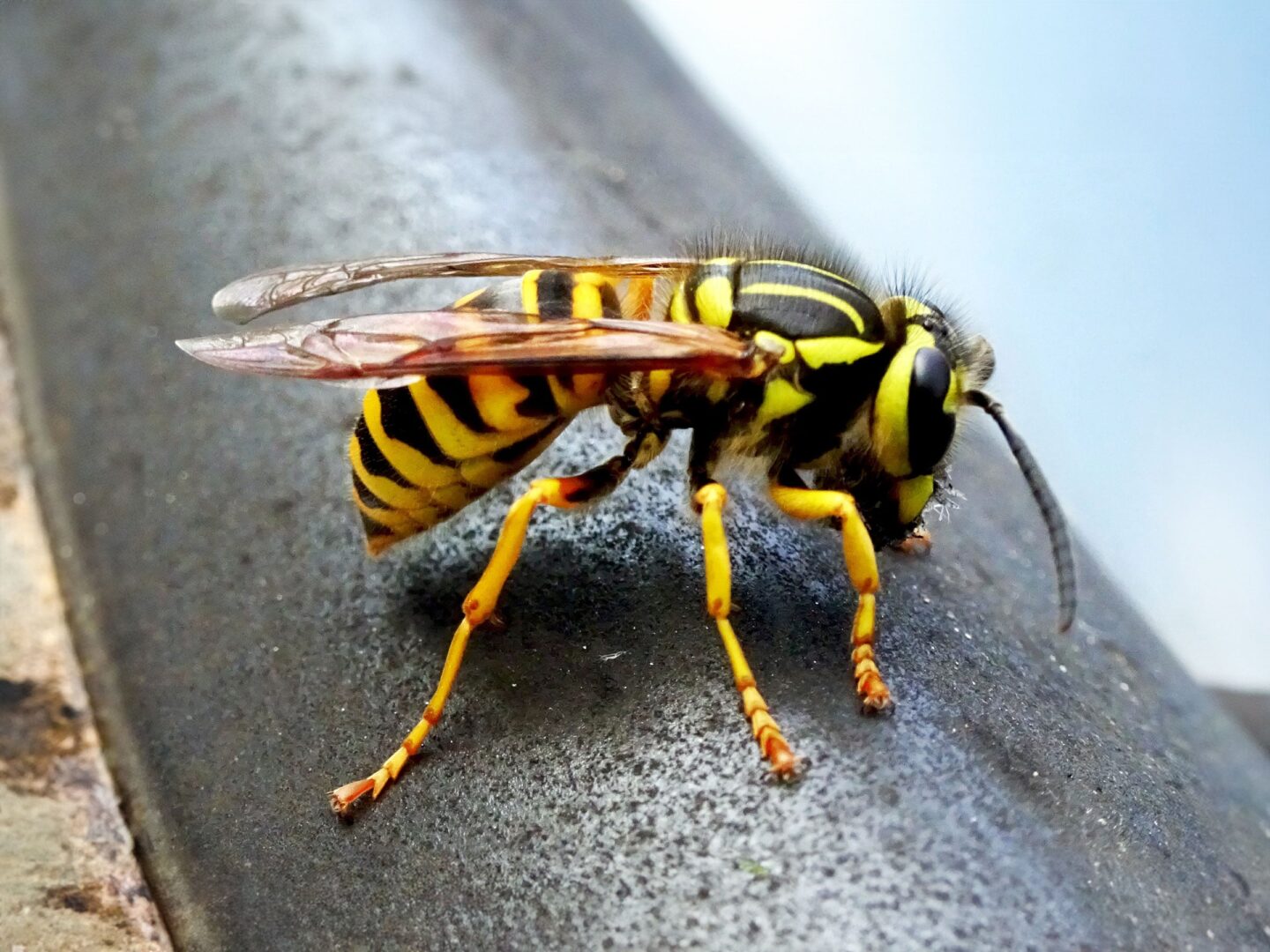
Yellow jackets can be identified by their bright yellow and black stripes, hairless bodies, and fast flight.
Physical Traits
- Body shape: Yellow jackets are sleek and smooth with a distinctive “wasp-shaped” narrow waist. They are not fuzzy and round like bees, although they share similar coloring.
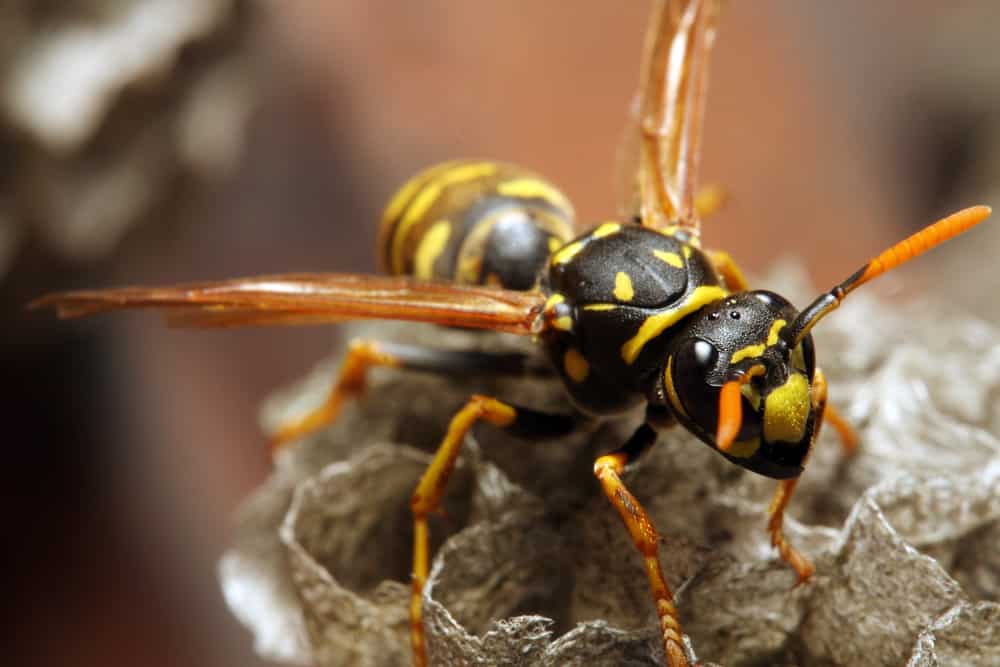
- Legs: These wasps have short legs that stay tucked close to their bodies during flight. This is different from the similar-looking paper wasp, which has long legs that dangle when it flies.
- Stinger: These pests have a smooth stinger that allows them to sting multiple times without dying. Other stinging insects with barbed stingers can only sting once and often die as a result.
Nesting & Behavior
- Nesting: These ground-dwelling insects build paper-like nests underground. They often utilize old rodent holes or other voids (like hollows in walls and trees).
- Activity: Yellow jackets might be observed flying in a steady stream from a single small hole.
- Diet: These wasps are particularly attracted to sweet drinks or meats in the late summer when the colony is at its peak. They become a particular nuisance at outdoor meals in July and August.
Where Do Yellow Jackets Build Their Nests
Common locations
Where homeowners might find yellow jacket nests:
- Lawns
- Old rodent burrows
- Landscaped beds
- Under decks
- Near foundations
- Along fence lines
Signs of Yellow Jacket Nest
One of the dangers of yellow jacket nests is that they aren’t often visible. Some signs that homeowners can look for:
- Regular wasp traffic around a small hole in the ground
- Wasps flying in a straight line to and from one spot
- Wasp activity around gardening, mowing, or play areas
- Aggressive behavior of wasps when someone gets too close
Are Yellow Jackets Dangerous?
Yellow jackets are extremely territorial and will defend their nests aggressively against perceived threats.
Risks and Warnings
- The hidden nature of yellow jackets’ nests means that they are easily disturbed by unaware kids, pets, mowers, etc.
- Attacks can happen rapidly and without warning.
- Each wasp can sting multiple times, leading to an exponential number of stings.
- The colony swarms to repel the threat. When a nest is bothered, yellow jackets release a pheromone that signals the entire colony to attack at once.
What Not To Do
- Don’t attempt to plug a possible hole with caulk, foam, dirt, etc
- Don’t spray a visible entry and assume the nest is gone
- Don’t mow or trim directly over a known hole
- Don’t flood, burn, or try DIY removal methods
All of the above attempts are extremely risky. They will trigger the nest to swarm and attack. Over-the-counter sprays are not enough to overpower the hundreds of wasps in a nest. They also don’t reach the queen or brood deeper in the nest, so the colony can continue intact.
Many of these steps could result in more serious injury to the homeowner than the wasps.
When to Call a Professional
Yellow jackets are not a DIY pest. Because of their aggressive nature, allergy risk, and painful stings, calling a wasp control expert is often a good plan. If you find or suspect a nest near an entry, play area, patio, or high-traffic area, call Cascade Pest Control. It is also important to eradicate a nest if they are near allergic or sting-sensitive individuals.