
Deer Mice in Treasure Valley Are a Bigger Threat Than You Think!
News of exploding rat populations around Boise, ID is serious. The damage caused by rats is hard to miss in places like Eagle, Meridian, and Caldwell. However, all this attention on rats may distract from a more immediate threat: Treasure Valley already has a large, established population of native deer mice that cause major damage and can spread several dangerous diseases.
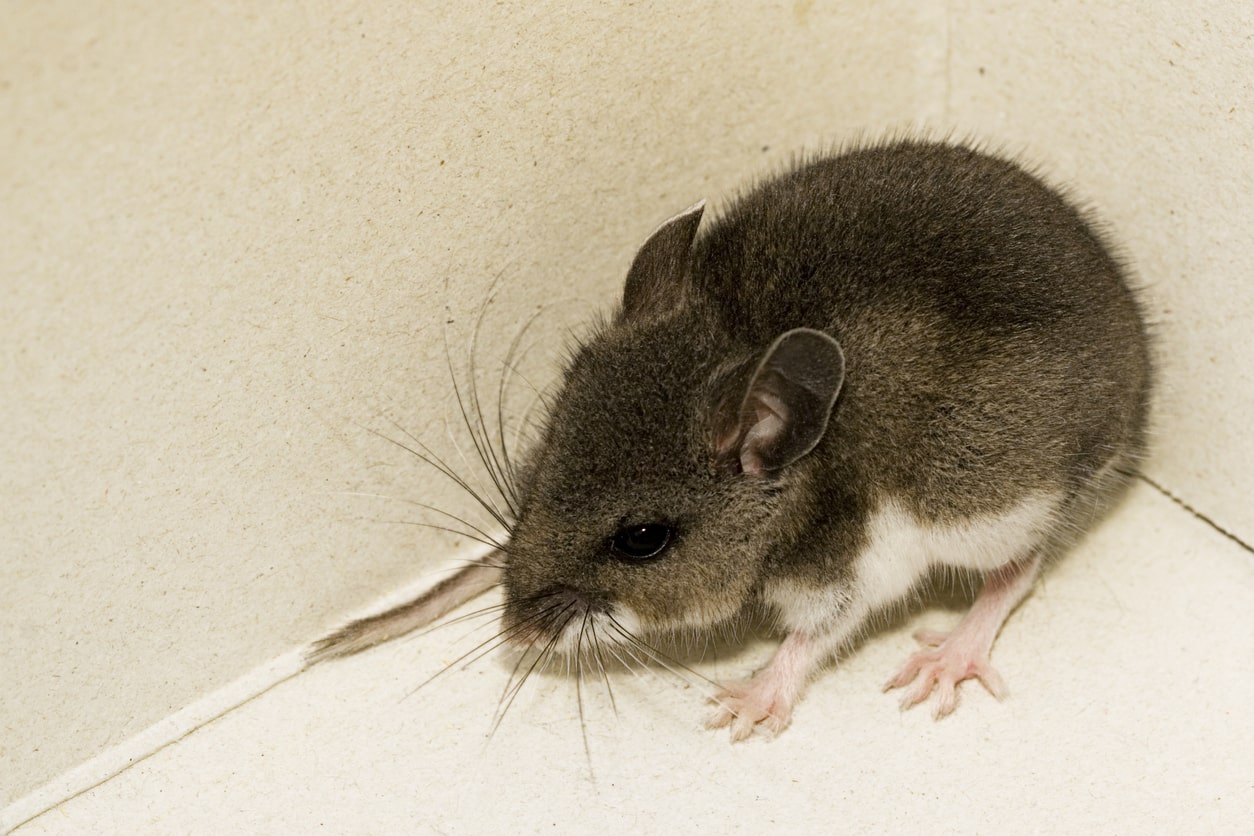
Rats are rising, but mice are already here
Recent news about rising rat populations in greater Boise is a real cause for concern. Their numbers are growing quickly, and because rats are larger and more aggressive, they will likely displace many existing mouse populations in communities like Eagle, Meridian, and Caldwell. The damage rats cause – chewed wires, contaminated food, and structural destruction – is substantial.
However, focusing only on rats overlooks another serious, long-standing issue. Treasure Valley already supports a high population of native deer mice (Peromyscus Maniculatus), and they are exceptionally well-suited to life in this region.
Deer mice thrive in Treasure Valley
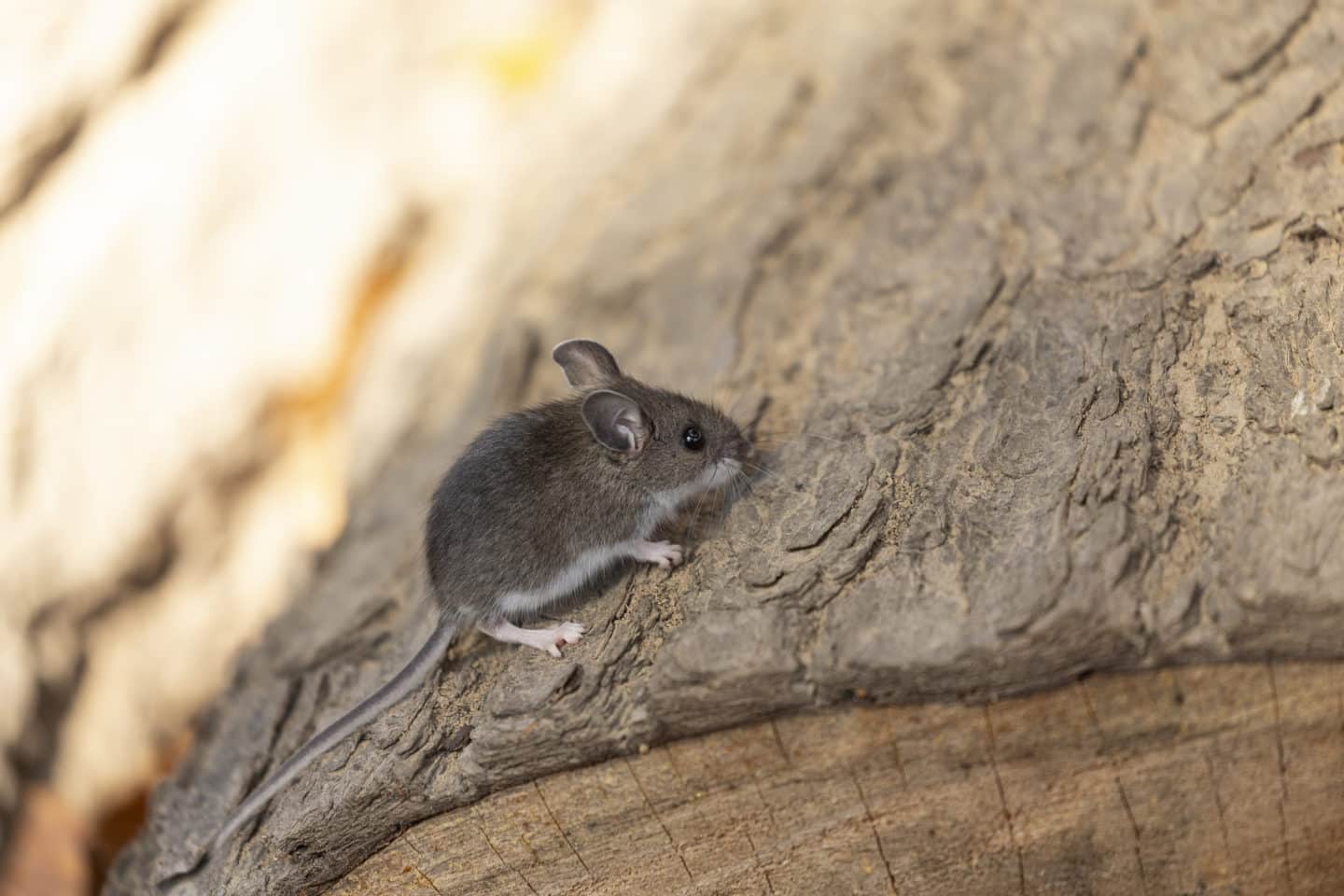
Deer mice are native to Idaho and other western states, so they have been flourishing here for thousands of years. They are firmly established in the valleys of the Boise, Payette, and Snake River. These mice tolerate hot, dry summers and harsh winters, making the climate and condition of the greater Boise area ideal for them.
Because they are so well adapted, deer mice are common around homes, outbuildings, fields, and river corridors throughout Ada County and the surrounding region.
What diseases are carried by deer mice?
The most important reason not to ignore deer mice is their role in spreading serious diseases.
Deer mice can carry several pathogens, including:
- Hantavirus
- Salmonella
- Leptospirosis
- Plague
Hantavirus
Hantavirus has been detected in deer mice in this region, which means these mice can serve as a reservoir for the virus in certain areas. When people are exposed – often by breathing in dust contaminated with rodent droppings or urine – the illness can be severe. Hantavirus Pulmonary Syndrome (HPS), a serious respiratory disease, has a high mortality rate, estimated at roughly 35-50%.
Salmonella
Of all disease risks, Salmonella is perhaps the most likely pathogen to be carrie dby deer mice. Salmonella is a leading cause of foodborne illness, typically causing diarrhea, vomiting, abdominal cramps, and fever. In the United States, Salmonella infects an estimated 1.35 million people each year, and about 420 of those cases result in death. While the mortality rate is much lower than for PHS, the sheer number of infections and the severity of symptoms make preventing food contamination from mice extremely important.
Leptospirosis
Leptospirosis usually presents with flu-like symptoms such as fever, chills, muscle aches, and headache. Many cases are mild, but the disease can occasionally progress to Weil’s syndrome, a much more severe form involving liver and kidney damage. General leptospirosis cases have an estimated mortality rate of around 5-15%, while Weil’s syndrome can exceed 60% mortality in some reports.
Plague
Infamous for its role in the Black Death that devastated Europe between 1346 and 1352, plague has a high mortality rate of 30-100% when left untreated. Today, plague still occurs in parts of the western United States.
While plague has resurfaced in our own backyard and led to a die-off of ground squirrels in Treasure Valley, it is not often found in the human population. However, from a disease-ecology standpoint, it is a small step from infected ground squirrels to deer mice and then potentially closer to home.
What damage do deer mice cause?
Beyond disease concerns, deer mice cause costly damage around homes, outbuildings, and vehicles.
- They can contaminate and crush insulation in attics, crawl spaces, and vehicles, reducing R-values (the measure of a material’s capacity to resist heat flow) and driving up energy costs.
- They chew constantly, destroying items stored in sheds, garages, and storage areas. They easily gnaw through cardboard boxes, clothing, and camping gear.
- They gnaw on auto wiring and components, sometimes causing hundreds or even thousands of dollars of damage to electronic systems. Not to mention the threat of fire, which can result from exposed wires.
Because mice are small and often perceived as “cute”, many people underestimate how destructive they can be. Yet, mouse infestations can be extensive and expensive!
Why “normalizing” mice is dangerous
Rats are a new and growing concern in the Boise area, but treating mice as harmless simply because they are smaller or seem less menacing is short-sighted. Deer mice can:
- Spread serious diseases through their droppings, urine, and nesting material.
- Cause significant structural and property damage over time.
- Contaminate food and food prep surfaces, increasing the risk of illness.
Every homeowner should take basic precautions to evict mice if they suspect an infestation and to prevent them from gaining a foothold.
Tips for clean-up and prevention
If you need to clean up a mouse nest in areas heavily contaminated by droppings, be sure to take proper precautions.
- Wear a properly fitted N95 (or better) respirator.
- Use gloves and avoid stirring up dust.
- Thoroughly wet contaminated areas with an appropriate disinfectant before cleaning.
- Seal up entry points and remove food and water sources to prevent re-infestation.
- Contact a professional service if needed.
Cascade Pest Control provides professional mouse control and exclusion services throughout the greater Boise and Treasure Valley areas. Our technicians are highly trained and certified to meet your local rodent control needs. They can identify where mice are entering, remove active infestations, and seal key entry points to help protect your home, storage spaces, and vehicles from future mouse intrusions.