Treasure Valley Rats Are Making Headlines Again (And What You Can Do About It)
Rats are back in the spotlight across Idaho’s Treasure Valley, and for many residents, it’s not just a headline – it’s a growing problem in their own home.
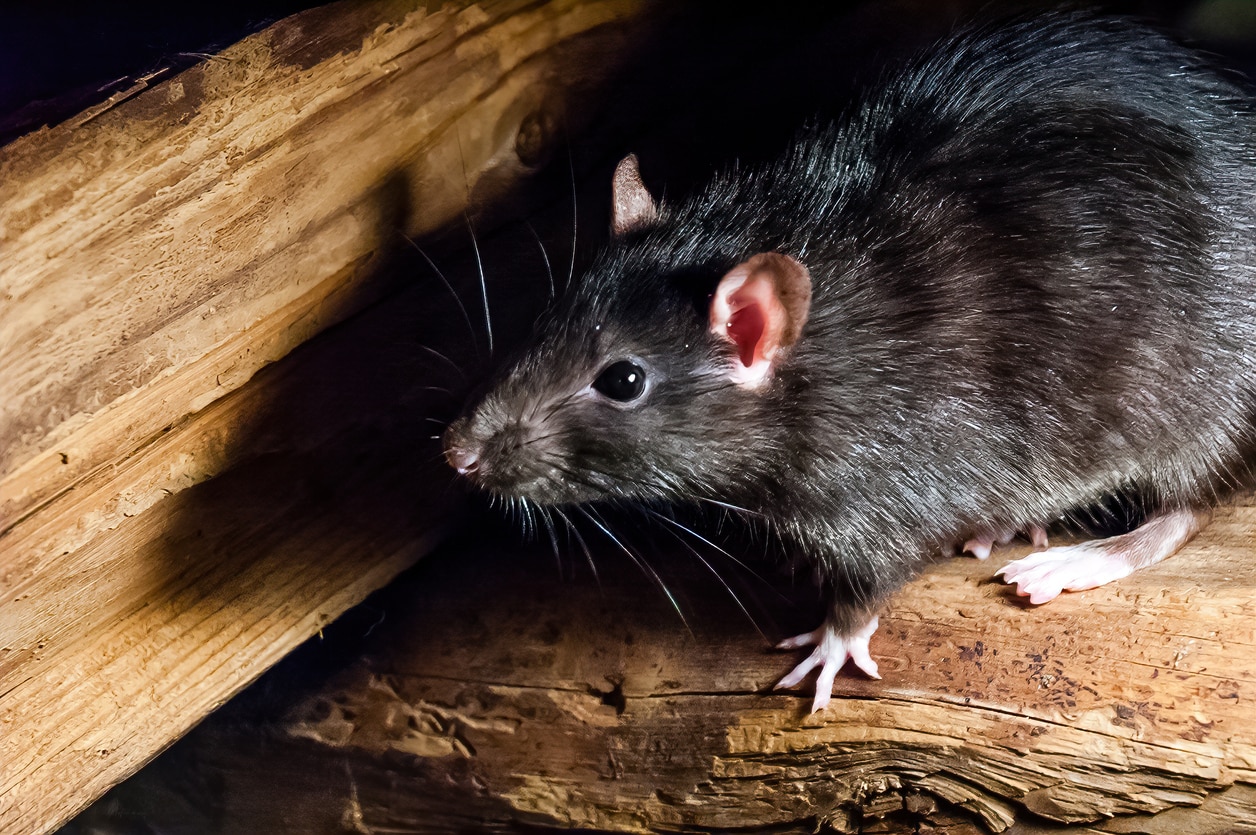
A recent report by Allie Triepke of Idaho News 6 (KIVI Boise) highlighted concerns from Eagle residents who say that the rat population has “exploded,” particularly around backyard chicken coops. In the segment, a pest control technician demonstrated basic rodent control strategies and emphasized an important point: rats are more than just a nuisance – they can carry and spread disease.
Common rat-borne illnesses include Salmonella and rat-bite fever, both of which can pose real health risks if proper precautions aren’t taken. While hantavirus often comes up in these conversations, it’s worth noting that the virus is more commonly associated with deer mice rather than pack rats, Norway or root rats, Treasure Valley’s most common rats. That said, hantavirus has been identified in rodents native to the Treasure Valley, which means homeowners should take rodent control seriously across the board – not just with rats.

What Attracts Rats?
Food, water, and shelter. The same thing that lures all pests also attracts rats and other rodents. If you keep chickens, you may be unintentionally inviting rats onto your property. Chicken feed and dropping are strong attractants, and any feed left accessible on the ground becomes an easy food source. When food is abundant, rats reproduce quickly, which can lead to the kind of rapid rat population growth Treasure Valley residents are now reporting.
Water sources also play a role. Rats need regular access to water, so reducing standing water – such as from leaky hoses, buckets, or poorly drained areas – can help. However, in areas with nearby irrigation ditches, ponds, or canals, complete elimination of water access may not be realistic. In those cases, focusing on food control and nesting prevention becomes even more important.
Cooler shelter in summer months and warmer shelter in fall-winter months, rats will make your home their home. It only takes a small opening for them to enter your home to start their nesting process. Close gaps in windows, doors, crawl spaces, roofs, attics, and outside electrical wiring inputs.
Practical Steps to Reduce Rat Activity
The good news is that a few consistent habits can significantly reduce your risk of rodent or rat activity:
- Store all animal feed (including chicken and pet food) in sealed, rodent-proof containers.
- Avoid leaving pet food outdoors longer than necessary.
- Clean up spilled bird seed daily and consider placing a tray or trap beneath feeders to catch excess food.
- Keep compost bins tightly secured and avoid adding food scraps that attract rodents.
- Eliminate clutter, woodpiles, and debris where rats can nest.
Rat Prevention: Staying Ahead of a Rat Problem
The increase in rat activity across the Treasure Valley is a reminder that prevention is far easier than eradication. Once rats establish themselves, they can be difficult to remove without sustained effort or professional rat control.
If the problem starts to get out of hand, working with a local professional can make a significant difference. Cascade Pest Control technicians are familiar with the specific rodent challenges in the Treasure Valley and can help assess, treat, and prevent rat infestations more effectively than DIY methods alone. Reach out today to schedule an appointment.
Whether you’re raising chickens, feeding birds, or simply maintaining your yard, small adjustments can go a long way in protecting your home, your animals, and your health.
Sources: