
Idaho Senate Bill 1271 Fails: Why the “Rodents of Excessive Size Act” Couldn’t Fix Boise’s Rat Problem
When Idaho lawmakers drafted Senate Bill 1271 – dubbed the “Rodents of Excessive Size Act” – they were responding to growing concern over the sudden explosion of rats in the Boise / Treasure Valley area. The bill aimed to reallocate resources from invasive species and noxious weed programs to rat control. It passed the State Senate but ultimately failed in the House of Representatives.
So. . . what happened?
A Growing Rat Problem in Boise

Residents around Boise, Eagle, and Meridian have been noticing more rats than usual in recent years. Roof rats (Rattus rattus) began showing up in Eagle almost two years ago. They’re strong climbers and love nesting up high – especially in attics. Meanwhile, Norway rats (Rattus norvegicus) were already in the area, though not in large numbers.
Together, these two species found plenty of opportunity to thrive as suburban neighborhoods expanded. Population growth in Boise / Treasure Valley created ideal conditions: more homes, food sources, and hiding spots. One exterminator called it a “nuclear bomb of rats”. Rat populations can boom fast – Norway rats average 8 pups per litter, up to 5 times a year.
Good Intentions, but Poor Rat Control Planning
Idaho Senate Bill 1271 tried to respond to public outcry and show that lawmakers were taking serious action. But creating a statewide “rat control” program proved harder than it looked.
For starters, it doesn’t appear that any rodentologist – a scientist specializing in rodents – was even consulted. That kind of expertise is crucial for assessing the scope of an infestation, identifying causes, and developing an effective and realistic management plan.
Even local pest control professionals could have provided valuable insights. Anyone who routinely deals with rat infestations understands how resilient these animals are, how quickly they adapt, and how easily they reappear once conditions are favorable (and Boise / Treasure Valley conditions are very favorable).
Rats can hitch rides on trucks, trains, and shipments, so even a full-scale elimination effort would only offer temporary relief. Even if cleared out, reinfestation is inevitable without fixing attractants.
The effort to “put the genie back into the bottle” was far more uphill than the well-intentioned authors of the bill realized.
No Public Health Crisis = No Funding for Rat Control
Another reason the bill lacked traction is that, despite their reputation, the current rat population in Idaho isn’t spreading any lethal diseases. Without a clear public health emergency (like an outbreak of plague or a dangerous strain of hantavirus virus), large-scale funding and aggressive intervention simply aren’t justifiable.

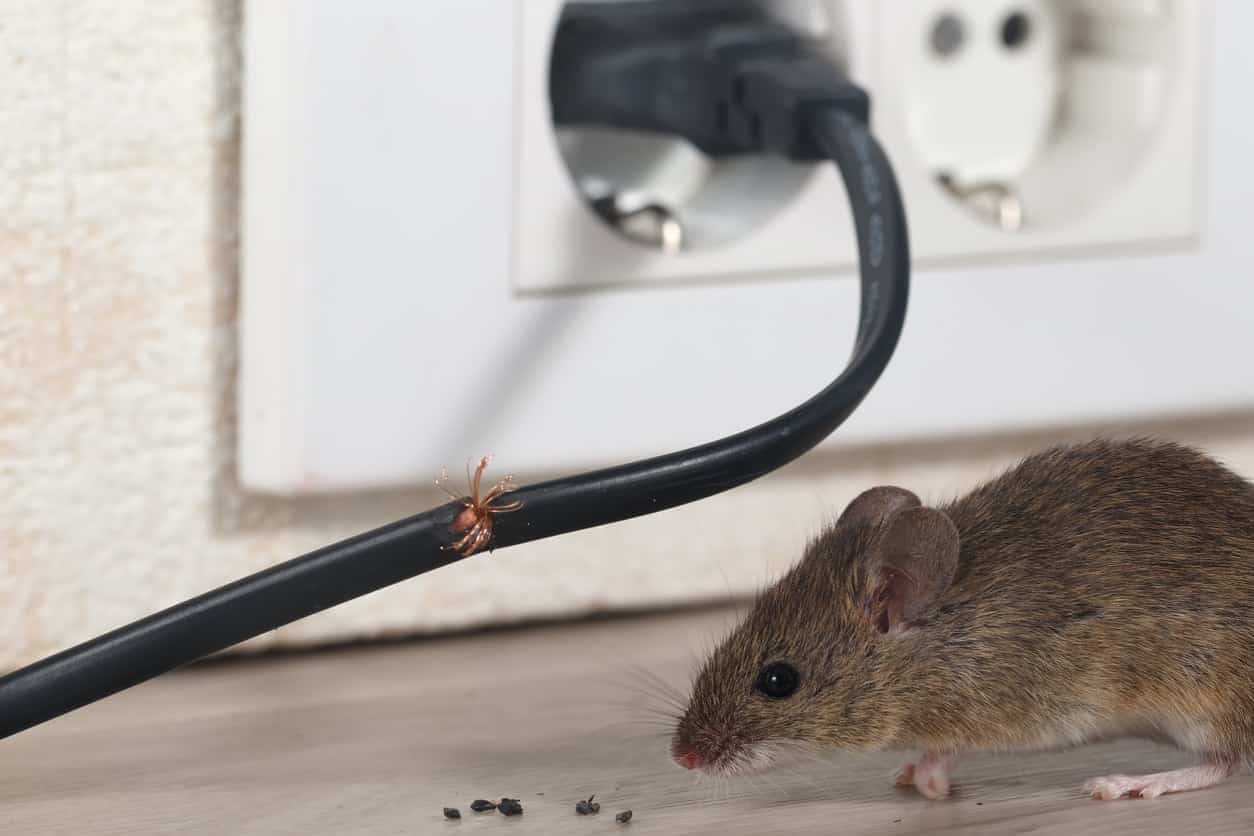
If such a health risk did emerge, the response would be massive: widespread bait stations, trapping networks, use of restricted poisons, and even acceptance of collateral loss of nontarget animals like squirrels and chipmunks – not to mention risks to pets.
Rats are gross, but they’re not spreading plague or hantavirus (yet); so, since there is no emergency, there is no reason for massive spending.
Why the “Rodents of Excessive Size” Act was Doomed
Ultimately, Idaho Senate Bill 1271 faced an uphill battle because it was built on public concern rather than scientific strategy. Lawmakers had good intentions but lacked the input from the very experts who best understand rodent behavior and control. Without that foundation, the plan was unsustainable from the start.
Boise Rat Prevention Tips: Your Best Defense Against a New Normal
At this point, both roof and Norway rats are part of daily life in the greater Boise area. There’s no turning back entirely. The best hope moving forward is for homeowners to adopt smart exclusion and prevention practices while working with pest management companies to keep local populations under control.
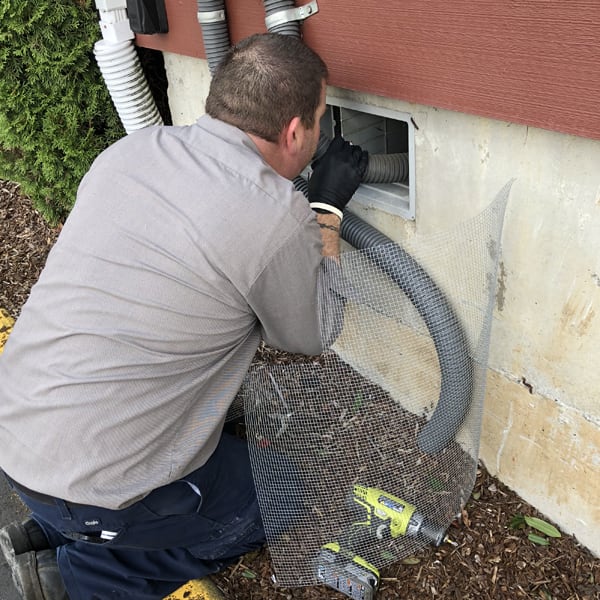
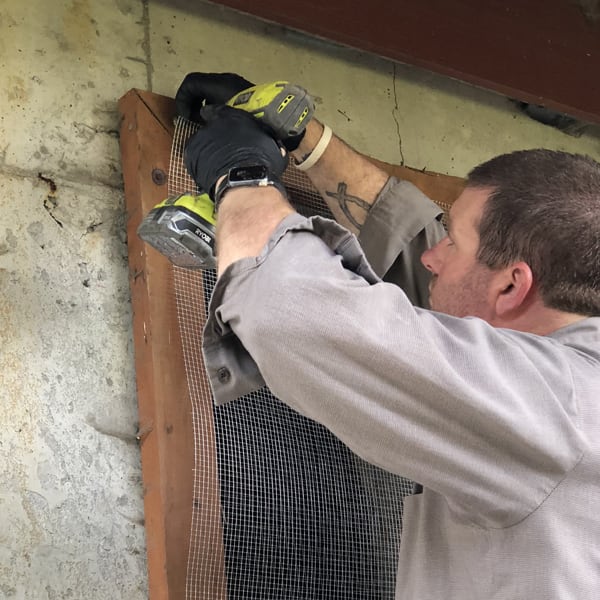
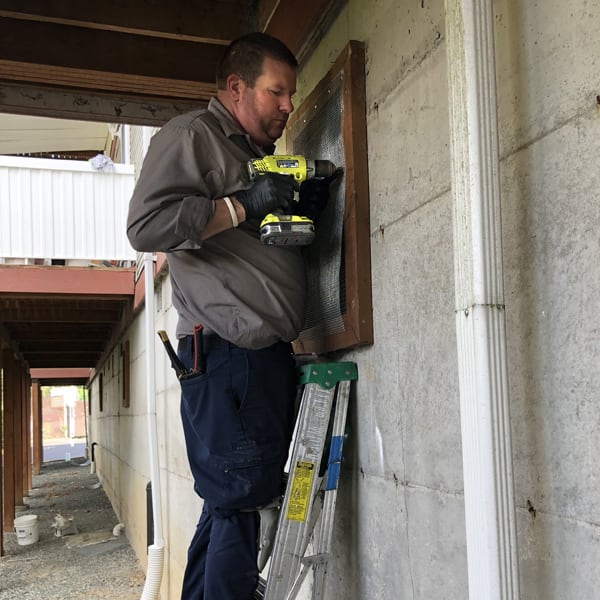
Rats are here to stay in Boise, Eagle, and Meridian, but you can manage them. Cascade Pest Control recommends these rat prevention tips, Treasure Valley style:
- Seal entry points: Use steel wool, metal mesh, or caulk on cracks around doors, windows, vents, and pipes. Rats can squeeze through quarter-inch gaps.
- Cut food / water sources: Secure trash, store outside pet food / bird seed in airtight containers, fix leaks, and bring bowls inside.
- Clear hiding spots: Trim bushes / trees from foundations, stack firewood away from structures, and declutter yard / decks.
- Call pros early: DIY traps help in the short term, but contact pest control experts for full inspections and treatment of roof rats or Norway rats.
Team up with neighbors – one sloppy yard can restart the cycle. But with community awareness and consistent effort, Boise can keep its rat problem at a manageable level.