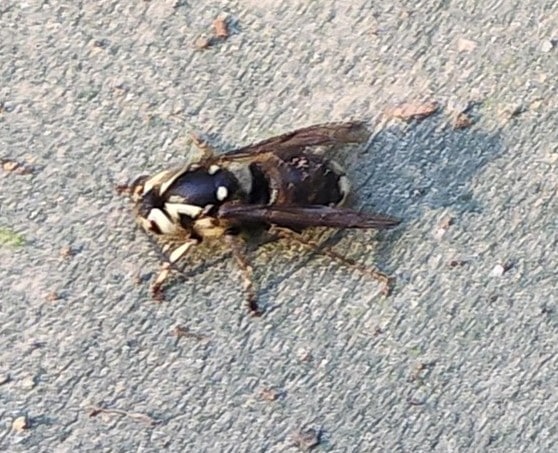
The stunning beauty of the Boise foothills and access to abundant natural resources have led to population growth throughout the Treasure Valley area. But it also means homeowners face unique pest challenges. Boise foothill homes face different pest pressures than those in the valley.
The most common pest risks in Boise’s foothills neighborhoods include pack rats, spiders, and scorpions.
Why Boise Foothill Homes Face More Pest Activity
- The foothills are often prime locations for pests because they are transition zones between ecosystems (mountains and plains or valleys). This means they offer highly diverse habitats that support many pests.
- As seasons change, particularly in autumn, insects and rodents in natural habitats will migrate toward warmer areas. This often brings nature into contact with human dwellings.
- The Boise / Treasure Valley area is experiencing lots of new construction. Homes are often built close to nature, providing direct access for wildlife and insects to migrate from the wild into residential areas.
Common Pest Risks in Boise’s Foothills

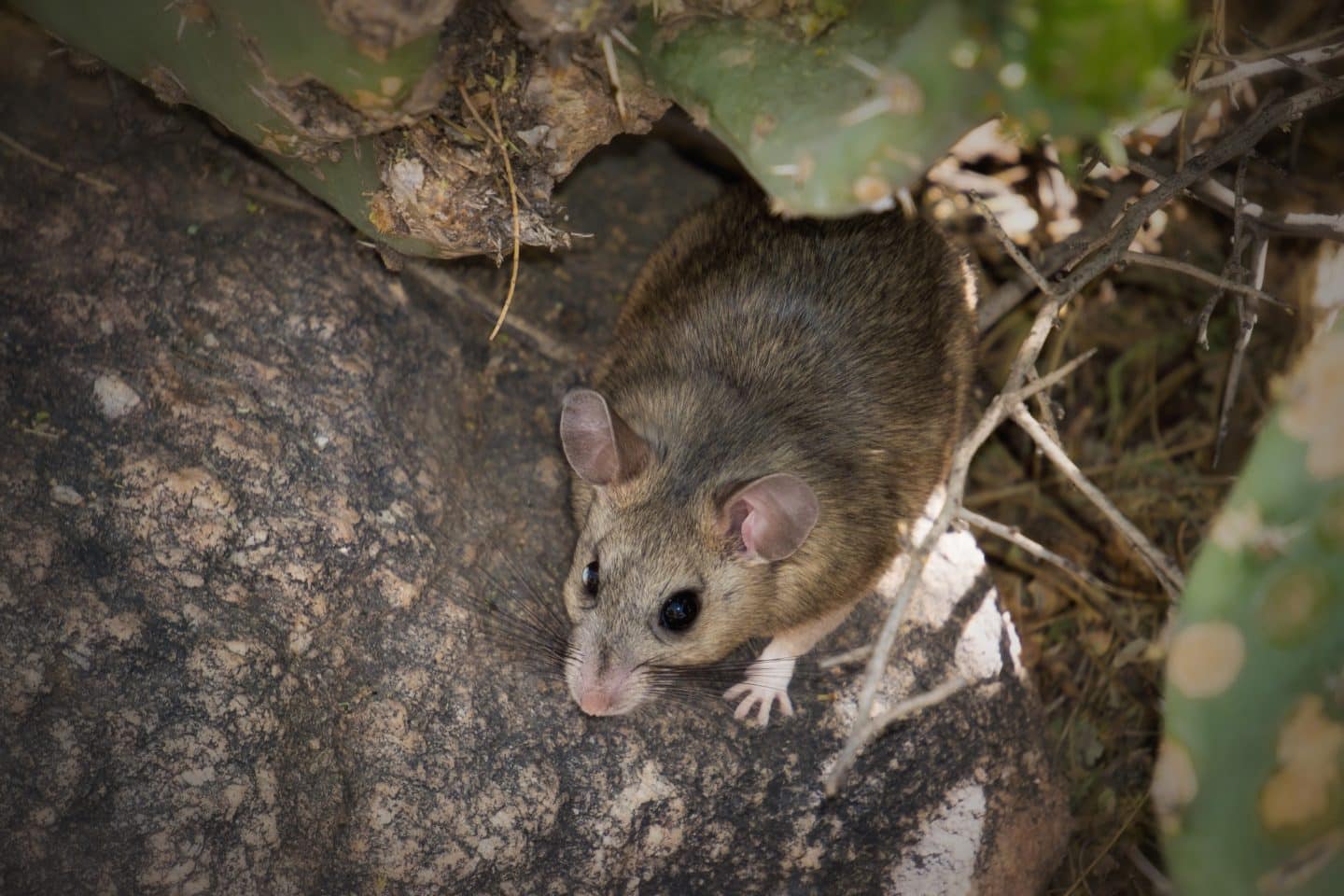
Pack Rats (Woodrats)
- Why: The foothill environment provides the ideal, sheltered, and dry habitat preferred by woodrats. The combination of rocky crevices and abundant vegetation are their natural choice, while human residence offers even more protection and food sources.
- Risks: Homeowners will not welcome pack rats as they nest in attics, chew wires, and contaminate food and living spaces.
- Signs of activity: You might have a pack rat problem if you encounter debris piles, droppings, unusual attic noise
Spiders
- Why: Spiders also thrive in this transitional zone where they have ideal, undisturbed habitats, food, moisture, and shelter. In particular, spider populations increase due to prey availability. The foothills are filled with insects and ideal hunting grounds with quiet, dark, damp spaces.
- Where they show up: Spiders prefer dark, undisturbed spaces. So they are most likely found in garages, crawl spaces, exterior walls, and attics.
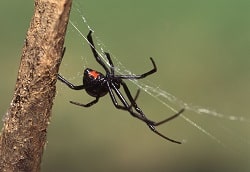
- Risks: While most spiders found in homes are just nuisance pests, caution is always recommended. Black widow spiders are found in the Boise foothills.
Scorpions
- Why: Scorpions thrive in the Treasure Valley foothills because the area is a perfect mix of rocky and arid. Scorpions can find shelter, high daytime temperatures, and a plentiful food supply. In addition, human development brings irrigation, which attracts them to moist hiding spots as well.
- Where they show up: Scorpions typically appear in dark, damp, or cool areas during the day and then hunt at night. They can often be found under rocks, woodpiles, and debris. Indoors, they can be found in basements, attics, and crawlspaces, but might also migrate to bathrooms, kitchens, dark closets, in shoes, and even bedding.
- Seasonal activity: Scorpions exhibit distinct seasonal patterns, peaking in the warmer months. Scorpions are most active during hot, summer nights when they hunt. During the winter months, they hibernate or go dormant
- Safety note: Scorpion stings are uncommon but worth preventing. While the danger level of Northern scorpion species is low, their stings are still painful and best avoided.
Contributing Factors Around the Foothills Homes
- Landscaping choices: Many homes unknowingly attract pests due to poor landscaping choices or maintenance. Rock beds, woodpiles, and dense shrubs can all contribute to pest populations by providing ideal shelter.
- Exterior Lighting: Nocturnal animals like spiders and scorpions are attracted to exterior lighting.
- Entrance points: Gaps in foundation, vents, and rooflines can all provide access for pests to invade homes.
- Irrigation: Adding water to the arid foothill environment can create micro-habitats. These damp, moist spots from irrigation provide much-needed hydration to many pests.
Prevention Tips for Boise Foothills Homeowners
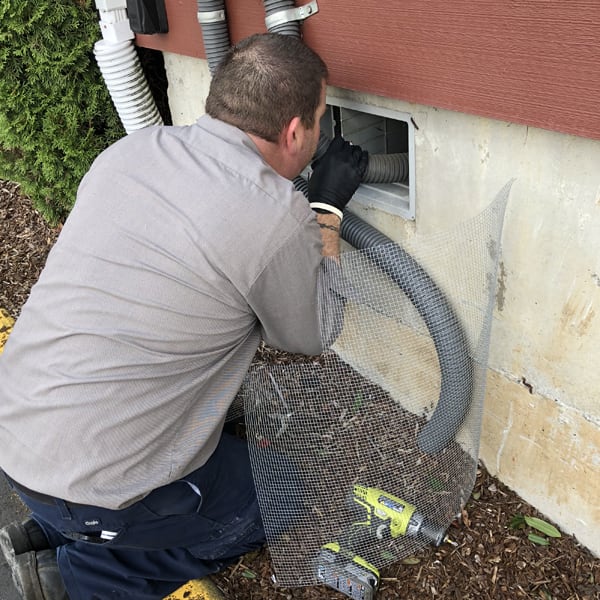
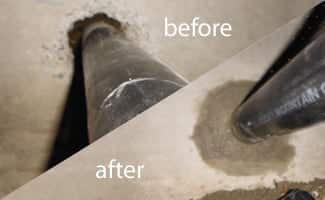
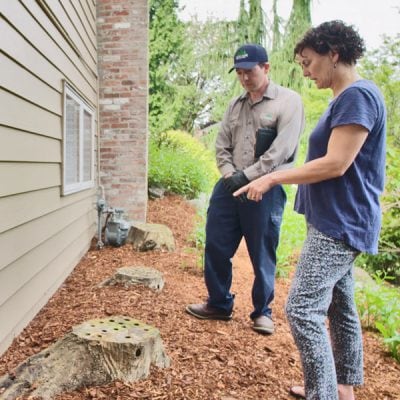
- Seal entry points: Check around foundations, doors, and windows for obvious gaps. But also be aware of rooflines, vents, and utility access points where pests can gain entrance to homes.
- Keep vegetation trimmed: Don’t let bushes or shrubs touch your home or they can become highways for pests.
- Reduce clutter: Decaying debris and woodpiles should be cleaned up or kept away from homes. They are sure to harbor all sorts of pests.
- Use proper outdoor lighting: Use warm or yellow bulbs, or motion detectors, to stop attracting spiders and scorpions at night.
- Schedule routine inspections: Consider hiring a pest control company, like Cascade Pest Control, to do seasonal (or year-round) inspections.
When to Consider Professional Help
- Persistent sightings or signs of infestation
- Activity in attics, crawlspaces, or inside living areas
- Need for targeted treatments specific to hoothill pest patterns.
Living in the foothills can come with unique pest considerations, but being proactive can help. Prevention makes a big difference. Stay vigilant and informed. And let Cascade Pest Control help if you have a need.