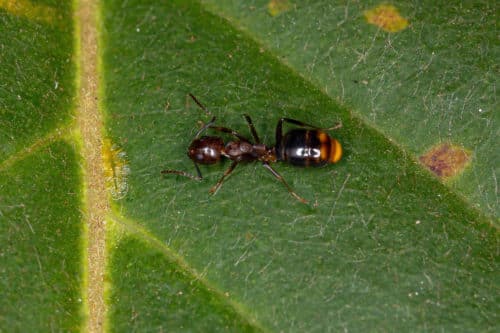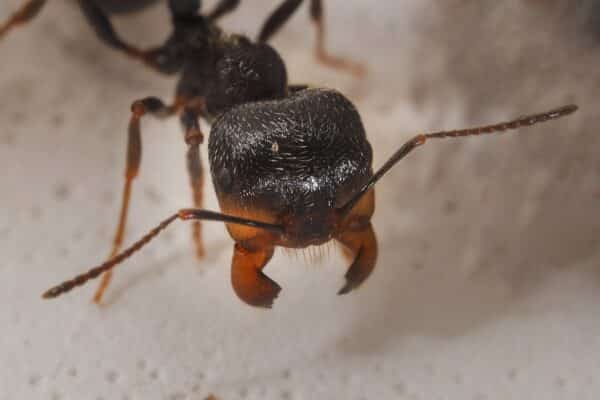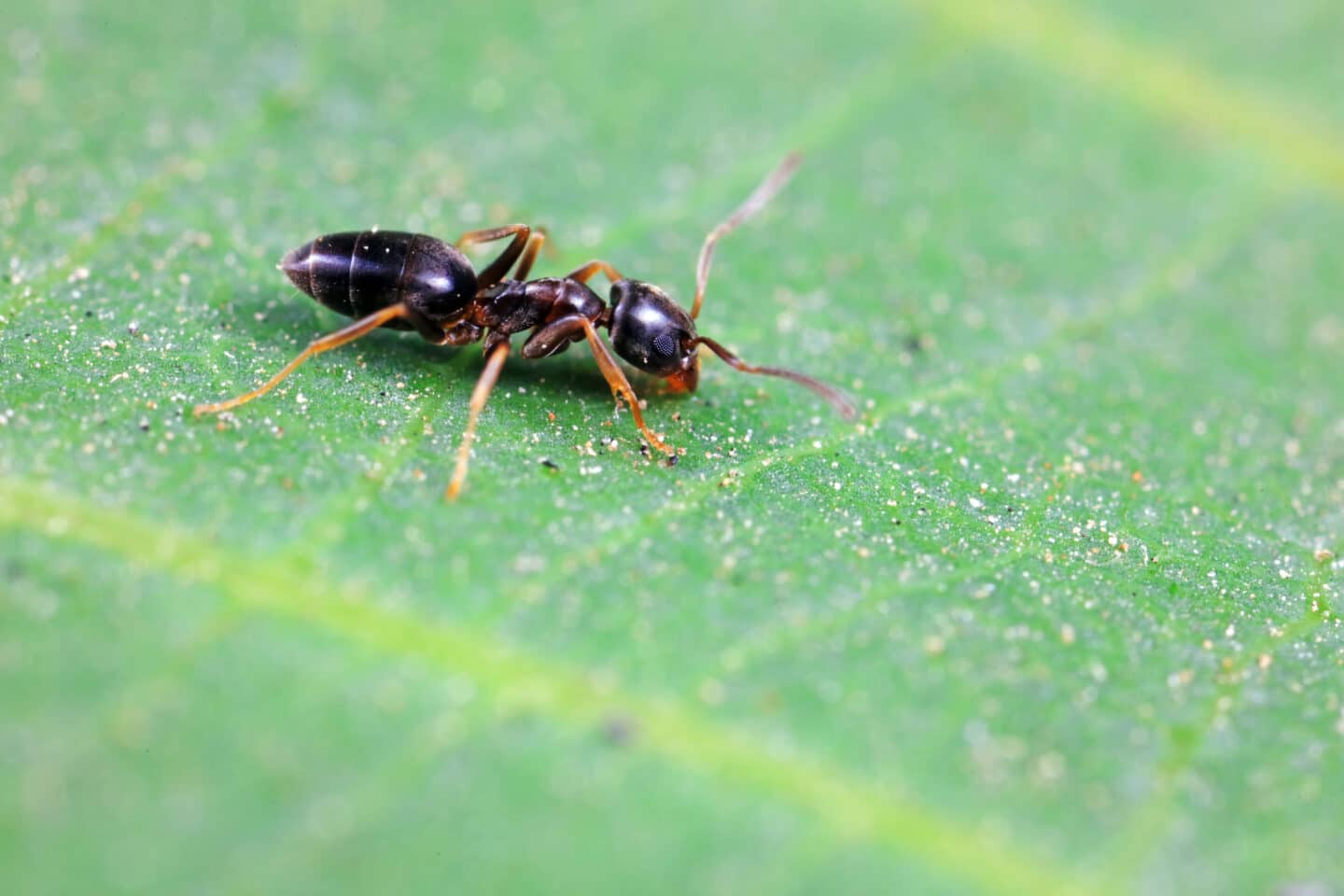
A stinging invasive species – the Asian Needle Ant – has recently been detected in the Pacific Northwest, raising concerns for parts of Washington State and nearby British Columbia.
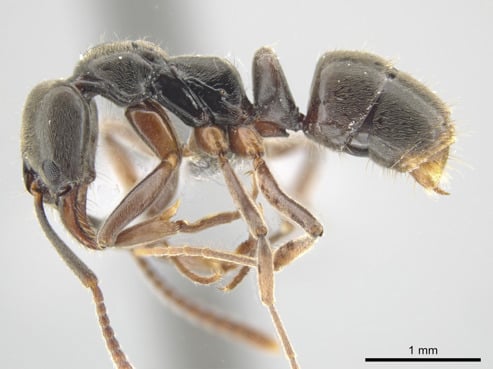
In January 2026, the invaders were confirmed in Bellingham, WA. While Asian Needle Ants are not currently established in major Puget Sound population centers, like Seattle, Tacoma, or Bellevue, their presence nearby is worth watching.
(Image provided by J. Longino of AntWeb.org)
According to the USDA Forest Service, Asian Needle Ants are already widespread across the eastern United States, with newer sightings emerging in Washington.
Why Asian Needle Ants Matter
Asian Needle Ants aren’t just another backyard nuisance. They post both ecological and health concerns.
- They sting, in some cases triggering severe allergic reactions (including anaphylaxis).
- They displace native ant species, disrupting the local ecosystem.
- They adapt well to forested and residential environments, making spread more likely. (Originally from East Asia countries like Japan, Korea, and China, they have proven highly adaptable in the U.S.)
How to Identify Asian Needle Ants
These ants are easy to overlook due to their size and coloring, but a few traits stand out:
- Small, slender body (hence the “needle” name)
- Shiny dark brown to black
- Lighter orange-brown legs and antenna tips
- Prefer damp, shaded environments
- They don’t form obvious trails like some other ant species, so they can be harder to detect.
What Does the Sting Feel Like?
The sting of an Asian Needle Ant is often described as sharp and intense.
- Pain can come in waves and last for several hours
- Redness or hives may develop around the sting site
- Sensitive individuals may experience severe allergic reactions, including anaphylactic shock
- Take extra caution if you have a history of insect sting allergies.
Where Asian Needle Ants Nest Around Homes
Asian Needle Ants prefer damp, shaded environments. Around homes and businesses, you might find them:
- In leaf litter or mulch
- Under rocks, logs, or landscape debris
- Along forest edges or wooded properties
They don’t rely on typical indoor nesting like some household ants, but they can still be found near structures.
How to Prevent or Control Asian Needle Ants
If you suspect Asian Needle Ants, proper identification is key before taking action. Because they resemble other ants, misidentification can lead to ineffective treatment.
- Reduce leaf litter, mulch buildup, and organic debris near your home
- Keep landscaping clean and well-maintained
- Maintain or install a professional pest control barrier around your home
- Contact a licensed pest management professional, like Cascade Pest Control, for confirmed infestations.
Stay alert, keep your property maintained, and if you spot signs of Asian Needle Ants, contact the ant experts at Cascade Pest Control early to stop them before they spread.
References:
- Asian Needle Ant – An Invasive Stinging Ant, by Jame T Vogt. Forest Service/US Dept. of Agriculture. https://www.srs.fs.usda.gov/pubs/su/su_srs143.pdf
- Invasive Species Alert-Asian Needle Ants (Brachyponera chinensis). British Columbia https://www2.gov.bc.ca/assets/gov/environment/plants-animals-and-ecosystems/invasive-species/alerts/asian_needle_ant_alert.pdf