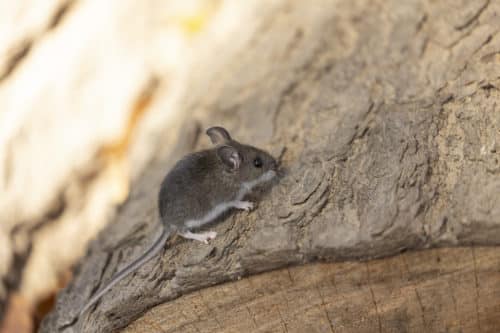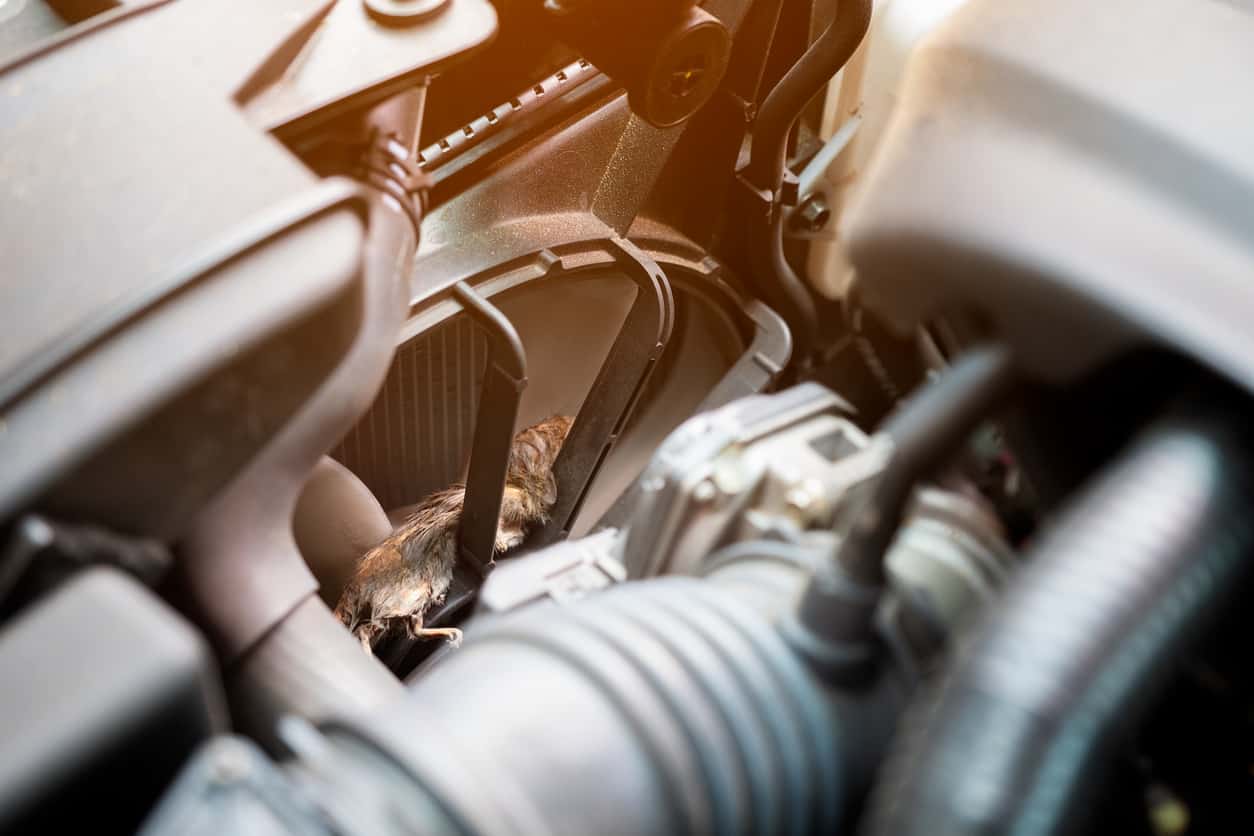
It sounds strange, but your car can be the perfect home for rodents.
Mice, rats, squirrels, and chipmunks are drawn to vehicles because they offer warmth, shelter, and plenty of nesting material. Engine compartments, air filters, glove boxes, and even seat padding can become cozy hiding spots. Unfortunately, once they move in, they can chew through your car’s wiring, insulation, and hoses – sometimes causing thousands of dollars in damage.
Why Rodents Target Vehicles
Modern vehicles are especially vulnerable. Many auto manufacturers now use soy-based wiring insulation, which can attract rodents. Combine that with tight, protected spaces and leftover food crumbs, and your car becomes prime real estate.

Rodents commonly damage:
- Electrical wiring (a major and costly issue)
- Hoses and belts
- Insulation and upholstery
- Cabin air filters and ventilation systems
Car mechanics regularly report rodent-related repairs to Cascade Pest Control, and the costs can escalate quickly depending on the extent of the damage.
Does Auto Insurance Cover Rodent Damage?
Short answer: yes – if you have the right coverage. Read on to discover when car insurance does cover rodent damage and when it doesn’t.
Types of Auto Insurance (What Actually Covers You)
Not all auto insurance is created equal.
- Liability coverage (required in most states): Covers damage or injury you cause to others – NOT your own vehicle.
- Collision coverage: Covers damage from accidents involving another vehicle or object.
- Comprehensive coverage: Covers non-collision damage as well, including theft, weather, fire – and importantly – animal damage. (Comprehensive coverage is often required as long as you have a loan on the car)
If you only carry liability insurance, rodent damage will not be covered.
When Insurance Covers Rodent Damage
In most cases, comprehensive coverage will cover rodent damage.
Insurance companies generally classify rodent damage as “animal damage”, which falls under comprehensive policies. (Animal damage includes things like hitting a deer, as it is considered unavoidable and falls under “other than a collision” with comprehensive policies.)
Rodent-related car insurance coverage often includes:
- Chewed wiring
- Nest-related damage
- Contamination from droppings (in some cases, depending on the claim)
However, coverage always depends on your specific policy, so it’s worth confirming with your insurer.
Common Rodent-Related Limitations and Exceptions
Even with comprehensive coverage, there are a few caveats:
- Deductible applies: You’ll pay your deductible before insurance covers the rest.
- Pre-existing damage isn’t covered: Damage must occur after your policy is active.
- Negligence may be a factor: If there’s clear evidence you ignored an ongoing infestation, a claim could potentially be denied – though this is relatively uncommon and handled case-by-case.
How to Prevent Rodent Damage
Prevention is much easier (and cheaper) than repairs.
- Inspect your vehicle regularly: Check under the hood, inside compartments, and around stored vehicles.
- Remove all food items: Keep your car clean. Even small crumbs or a forgotten snack can attract rodents.
- Park in enclosed spaces when possible: Garages with sealed entry points reduce the risk of rodent infestations.
- Use pest control measures: Traps or bait stations around storage areas can help limit activity.
- Be extra cautious with stored vehicles: RVs, boats, and rarely used cars are especially vulnerable.
Example: One documented case involved a single candy car left in a glove box – resulting in a full rodent nest and significant interior damage.
Health Risks to Consider
Rodents don’t just damage vehicles – they can also pose health risks.
Rodents can carry diseases such as hantavirus, which can spread through contact with contaminated droppings or air particles. While rare, rodent infestations in enclosed spaces, such as vehicles, have been reported.
If rodents have been inside your vehicle, it’s wise to have it professionally cleaned and disinfected as part of the repair process.
Why Professional Rodent Control Matters
While DIY steps help, persistent rodent problems often require a professional approach.
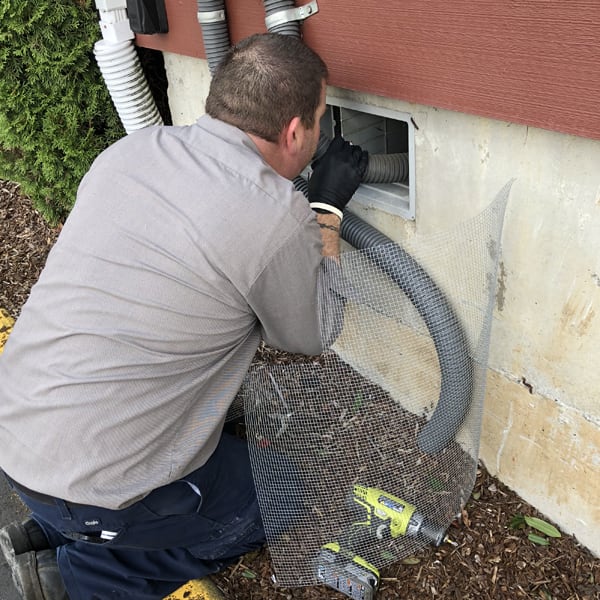
Cascade Pest Control regularly works with homeowners and even coordinates with auto repair professionals who see the costly aftermath of rodent infestations. Professional rodent control services can:
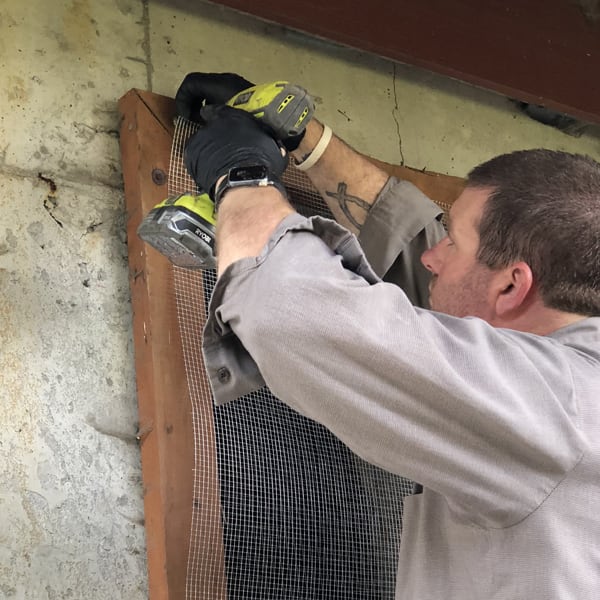
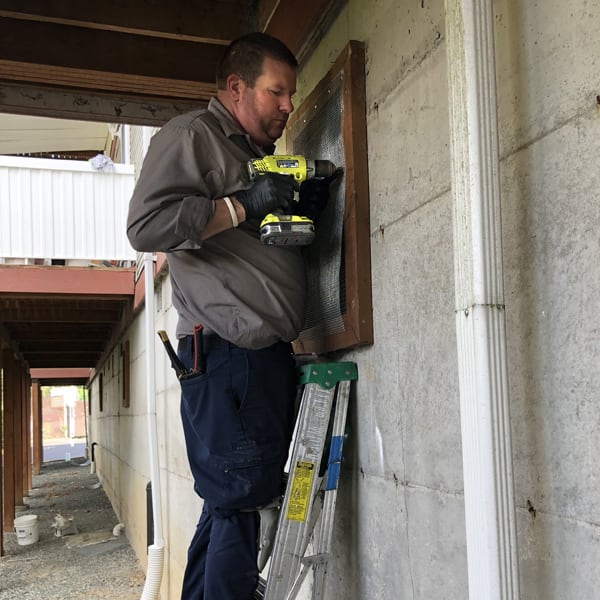
- Identify and seal entry points in garages and storage areas
- Set up strategically placed rodent states (traps and bait systems)
- Monitor and reduce rodent populations over time
- Provide ongoing prevention tailored to your property and environment
This is especially important if you store your vehicle long-term (such as RVs, boats, or seasonal cars), where rodents have more opportunity to settle in unnoticed.
Final Takeaway
If you’re worried about rodent damage, the key is simple: make sure you have comprehensive coverage and take basic preventative steps. A quick check today could save you thousands in repairs later.