Other Pests
Beetles, fleas, roaches, flies, sow bugs, millipedes, centipedes, or moths – there are a multitude of pests that can carry disease, forage for food, and look unsightly in your home or business. With so many types of pests in the Pacific Northwest region, it’s important to hire a professional exterminator who truly understands how to deal with the types of pests common to our area.
Cascade Pest Control provides professional pest identification and pest control services, with an extensive background in the safe, environmentally friendly integrated pest management practices that work best in the locations we serve.


The Cascade Pest Control Difference
Leave your pest problem in the hands of the true local experts. Our team at Cascade Pest Control prides itself on our prompt, professional response, with highly trained pest control technicians who are prepared to assess your pest problem.
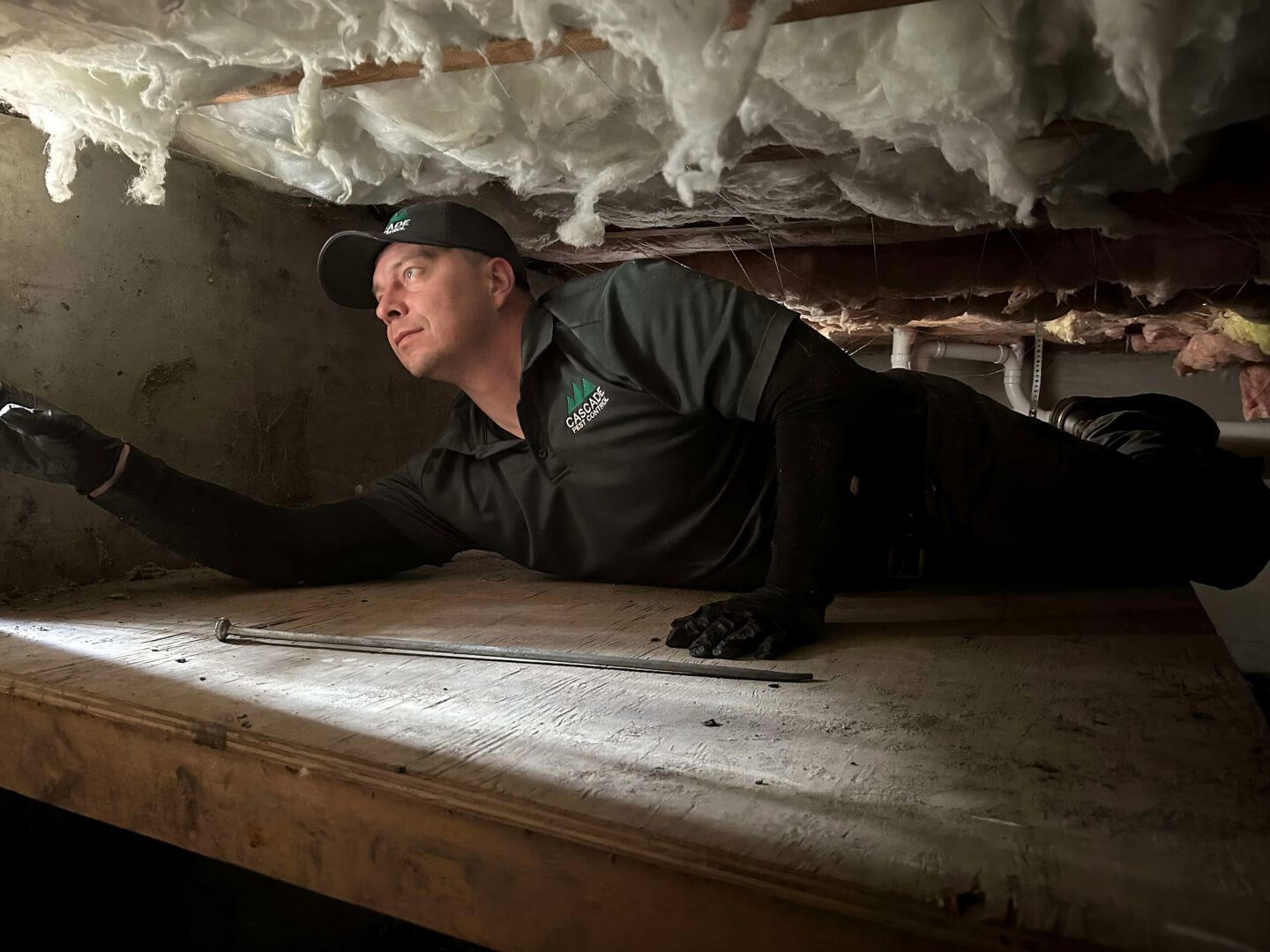
- Our professional pest extermination process begins with finding the source of your pest infestation. We venture into crawlspaces, attics, and other dark places to search for signs of infestation, so you don’t have to.
- We use environmentally safe baiting, trapping, growth hormone control, and pest control treatments to ensure your family, pets, and customers are not harmed.
- We treat and remove these various pests and assess the structure of your home or business to help prevent a new pest infestation from occurring in your building.
Pest Control Treatment Preparation Instructions
Ongoing Pest Control for a Variety of Insect Pests
Prevention is the key to insect pest control. The experts at Cascade will provide you with comprehensive insect pest control services to deal with infestations and offer ongoing pest control to prevent re-infestation of pests
What other pests do we provide pest control services?
Carpet Beetles
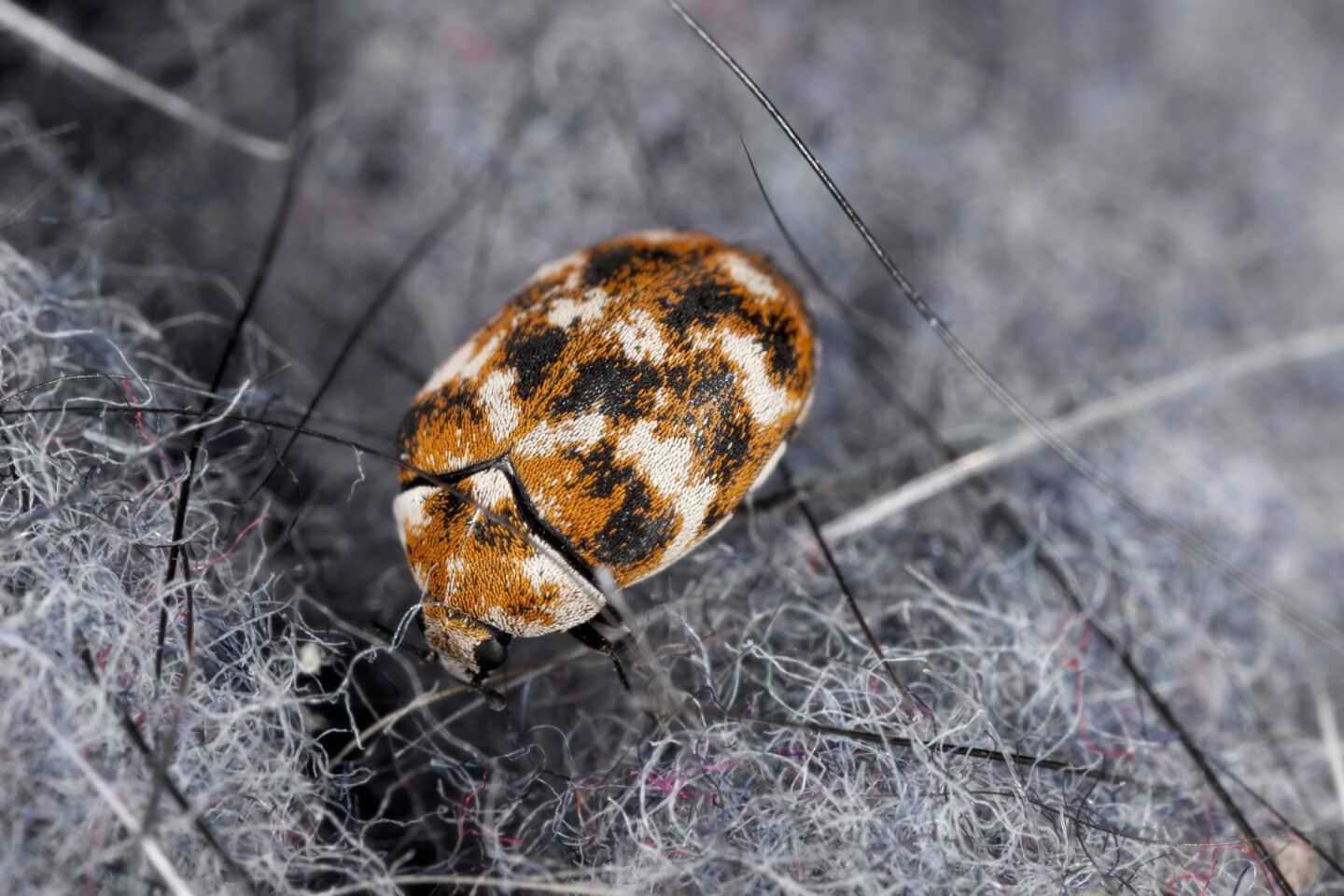
The ‘Varied carpet beetle’ is plentiful in the Greater Pacific Northwest region. These very small (3mm) beetles are spotted with white, brown (sometimes almost black) and yellow-orange markings. They lay eggs where their larvae can eat a variety of things, including: dead insects, hair, feathers, woolen clothing, furs, wool rugs (hence “carpet beetle”) and they can even infest kitchens eating grains, cereals and spices. Adult beetles eat pollen and nectar so, outdoors these beetles help as pollinators. However, indoors they can cause considerable damage.
Most damage to wool clothing in our region is from the varied carpet beetle and not often from clothes moths.
Prevention is difficult, often involving “moth balls” within garment bags containing susceptible clothing items. Pest control involves an interior treatment and some preparation.
Clothes Moths

There are two types of cloths moths found in the region, the case-making cloths moth and the webbing cloths moth. In both cases it is the larvae that actually eat woolens, leaving little holes which basically ruin a nice suit or sweater. The larvae are tiny and usually go completely unnoticed until damage is found to a garment. Besides damaging clothing they’ve also been found to damage woven tapestries and imported souvenirs that incorporate wool or other natural fur or hair. The moths are small and seldom seen, however, if seen some damage had already occurred.
Prevention is similar to that of carpet beetles, using moth balls in closets or within garment bags to protect the most vulnerable items of clothing. Pest control measures require some preparation and a thorough indoor treatment.
Indian Meal Moths

Indian meal moths are one of the most frequently encountered “stored product” or “pantry pest” going after a variety of foods, such as grains and grain products and some spices. Indian meal moths are small with two distinct colors: the outer 2/3rds being reddish-brown with copper highlights, and the base 1/3 being light grey. The larvae of these moths can get into boxed and sacked flour and grain products, including noodles, crackers, and cereals.
Prevention is difficult, although storing all foods in plastic containers usually keeps them from infesting. Pest control measures require the cupboards to be cleared and all food inspected for the moth larvae and moths. Then the cupboards are treated directly and allowed to dry for at least an hour prior to replacing the food items.
Wood Decay Fungus (Wood-Rot)

Wood decay fungus or wood-rot refers to a variety of species of fungus that consume wood. These fungi are responsible for huge amounts of damage annually. The fungus only infests wood that is chronically wet (or has a high moisture content) so first remedying the excessive moisture condition is imperative. Further treatment can be applied to the wood in cases where there is seasonal exposure to moisture. Damaged wood must be replaced.
Wood Boring Beetles

There are several types of wood boring beetles, each type preferring certain types of wood and causing damage. In each case it is the larvae that tunnel through the wood, eating it along the way until they emerge from the surface as adult beetles. Powder post beetles are found in hardwoods, including hardwood flooring. Anobiid beetles, long-horned beetles, and buprestid beetles are found in conifer woods such as pine, fir, and hemlock.
Sow Bugs & Pill Bugs (potato bug)

Sow bugs (also called pill bugs and potato bugs) are an arthropod that is distantly related to crustaceans in the ocean. They are quite harmless and mostly eat decaying vegetation. However, they can become nuisances when they find their way inside homes through gaps around doors and elsewhere, often accumulating in basements.
Earwigs

Earwigs have a somewhat menacing appearance with their large forceps-like pincers on their tail-end and a name implying that they’ll get into your ears. However, earwigs are harmless and feed on tiny insects and plants. They become household pests when they wander indoors, usually around sliding-glass doors.
Ground Beetles

Ground beetles are a group of beetles that only become nuisance pests if and when they find their way indoors, usually in basements and around doors.
Silverfish / Firebrats

Silverfish and firebrats (two similar species) are “insect dinosaurs” in that they have been on the planet for eons. Silverfish can be a nuisance and sometimes eat the surface of paper items.
Millipedes

Millipedes are an elongated arthropod with two sets of legs for each body segment. Millipedes are harmless to people and eat decaying leaf-litter and small plants, however, they can be a nuisance pest when found indoors.
Centipedes

Centipedes are somewhat similar to millipedes, however they have only one pair of legs per body segment and have long antennae and their legs are fitted outward, rather than downward. All centipedes are carnivorous eating tiny insects. And they are all venomous, however, it is possible to be “stung” by one, there are no centipedes in our region that pose a significant threat. Centipedes are rarely found indoors but when they do appear they are mostly considered a nuisance pest.
Cockroaches
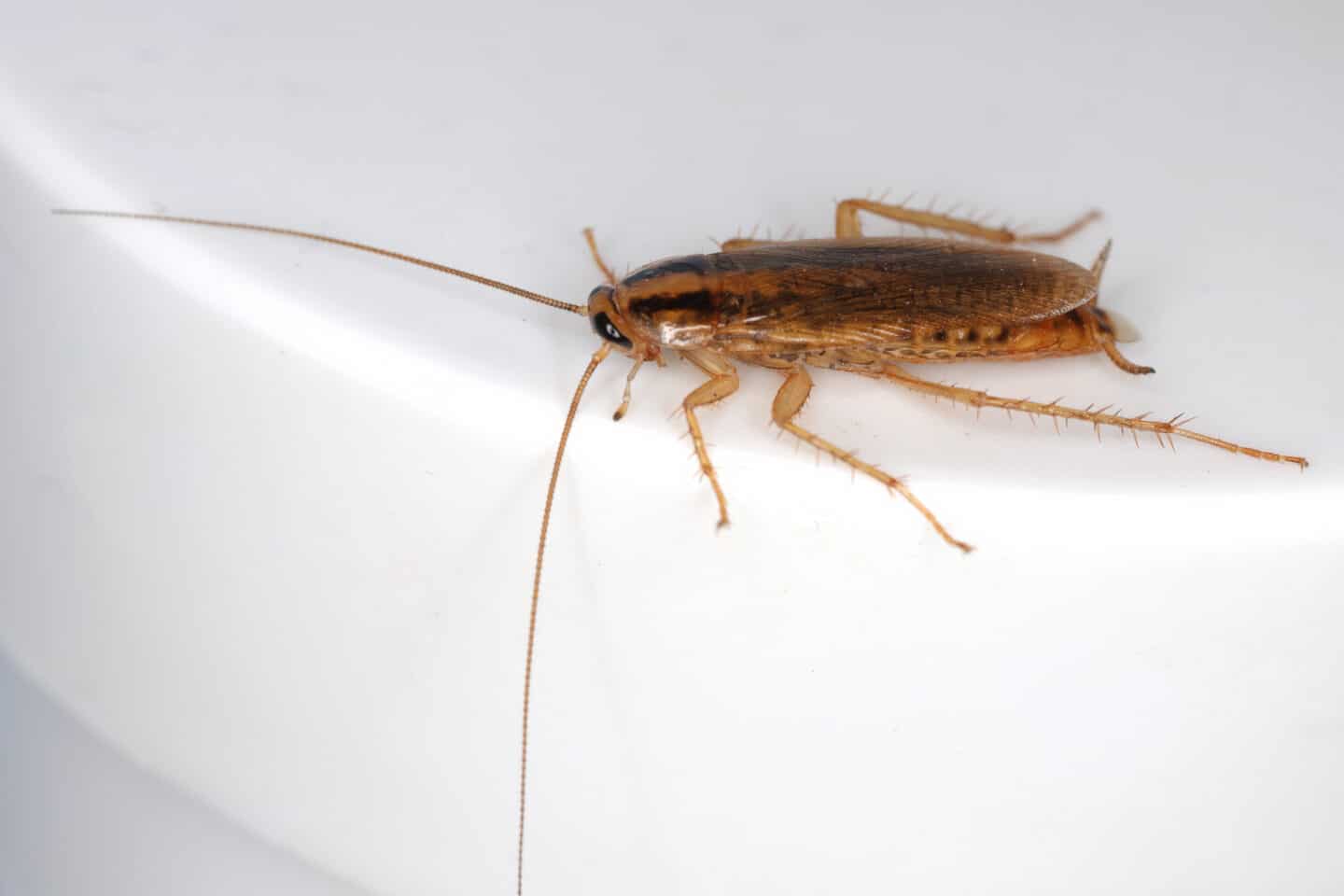
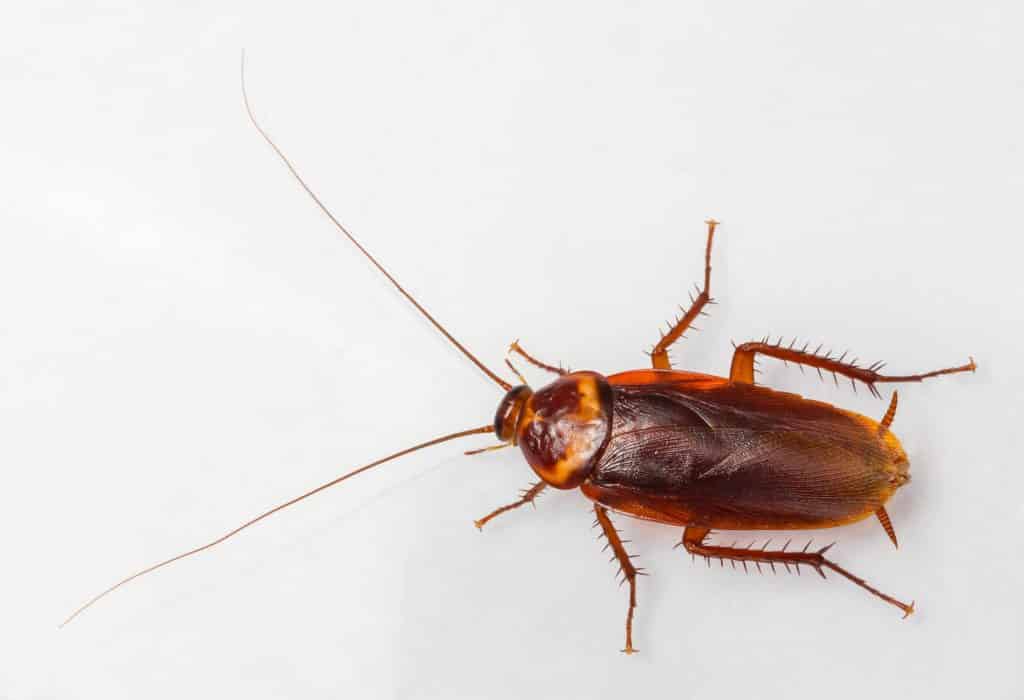
The predominant species of cockroach found in the Great Northwest area is the “German roach.” It is found mostly in restaurants and apartment buildings, although they can be found in single-family homes as well. Cockroaches breed quickly and besides spreading harmful bacteria, they can cause allergic reactions and asthma. Prevention consists mostly of careful sanitation practices, although even clean homes can harbor them. Pest control requires specific preparations and a series of treatments.
Stink Bugs

The brown marmorated stink bug is an invasive specie to the Pacific Northwest and becomes a serious pest when they gather on homes and find their way indoors, sometimes in great numbers. Their name comes from the fact that they can emit an odor as a defense. They are also becoming a significant threat to some agricultural crops.
Boxelder Bugs
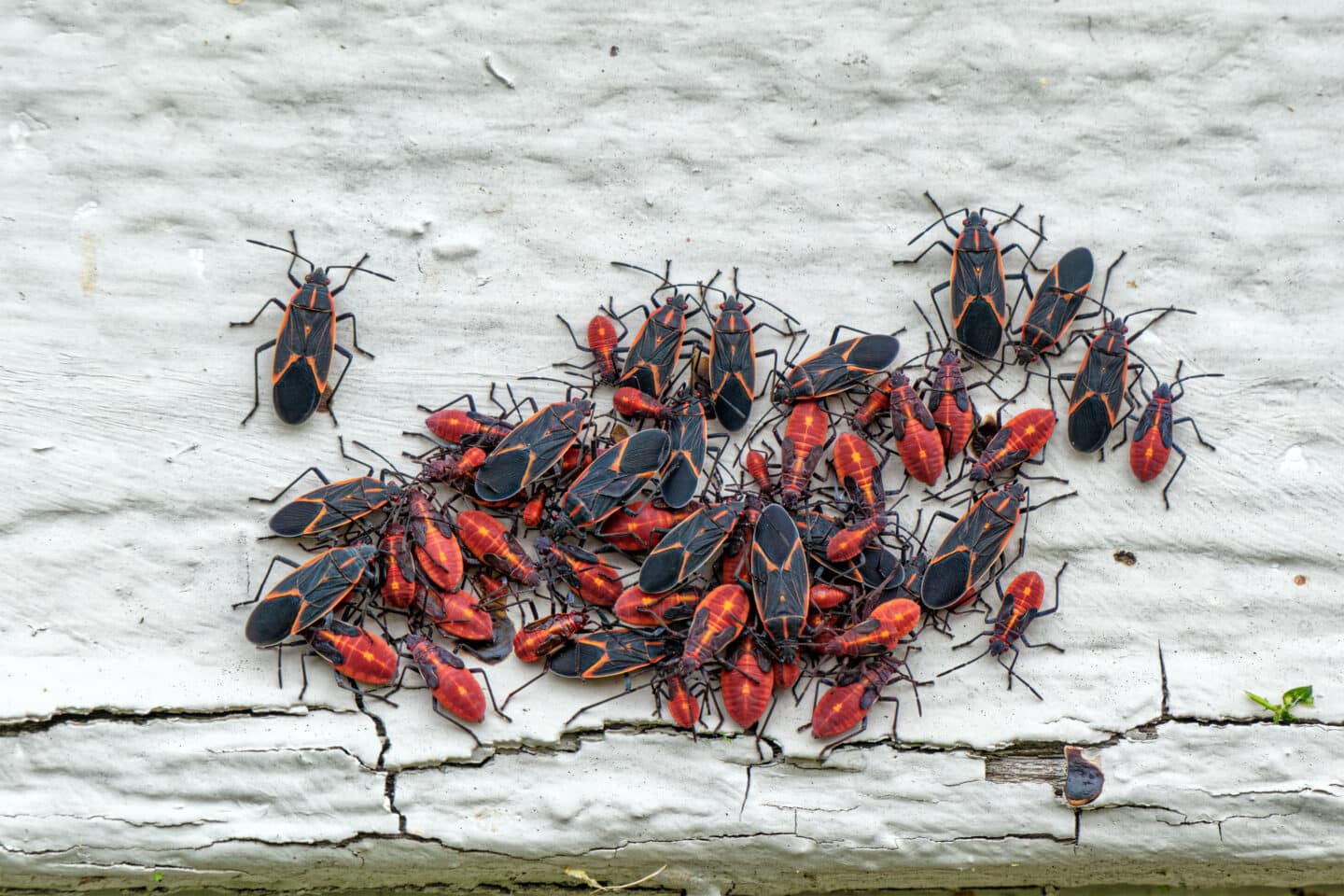
Boxelder bugs feed on trees (elders, maples and others) but can gather on homes and even enter homes to hibernate causing repeated sightings in the home.
Cluster Flies
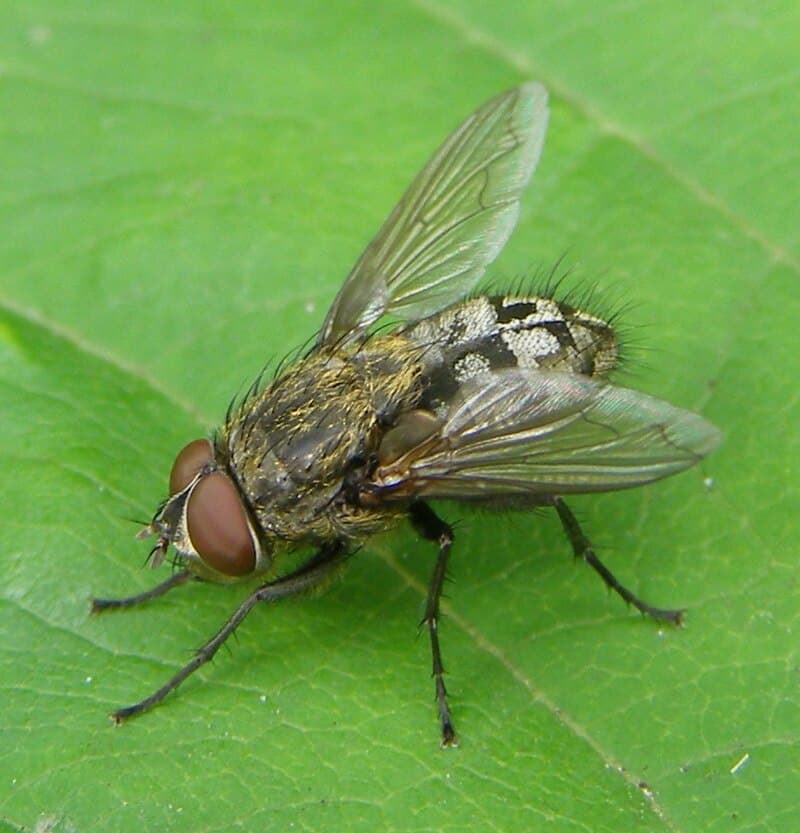
Cluster fly larvae parasitize earthworms and when the emerge as adults they can “cluster” in huge numbers on the sides of houses or barns.
Blow Flies

Blow flies have metallic coloring and range from green to blue, sometimes with metallic black. Blow flies eat and lay eggs in carrion (dead animals) so are considered carriers of filth and disease. Finding blowflies may be an indication of a dead animal nearby, possibly indicating a rodent infestation.
House Flies

There are several species of house flies and these are the most common flies found indoors, often gathering around windows. Although prevention mostly consists of keeping doors and windows closed, this can be impractical. A small, hand-held vacuum is one of the best methods of house fly control.
Fruit Flies

There are many species of fruit flies and, as their name indicates, they are attracted to fruits, melons and sugary syrups and can be horrific annoyances. Fruit fly prevention mostly consists of insuring that all fruit indoors is covered during summer and early fall months, overripe or rotting fruit is disposed of, and that no fruit is left long within an indoor garbage can. Also, clear rotting fruit from nearby outdoor areas and try to keep doors closed at peak fruit fly season.