The Pacific Northwest is experiencing one of the mildest winters on record, with temperatures in the 50s through January and February. This warmer weather can mean big changes for pest activity in both the Boise and Seattle regions. A season which usually brings snow and frost has instead produced near-springtime conditions – and pests are sure to take advantage.
With milder winters, what can homeowners expect in 2026 across the Greater Boise and Greater Seattle-Puget Sound regions?
Rodents on the Rise
Cold months often cause rats and mice to pause in breeding. Warmer weather allows them to breed continuously through the winter instead of taking a break. Experts in rodent behavior note that this results in a spike in young populations heading into spring.

Unless localized flooding washes away nesting sites, most areas will see abundant, healthy rodents ready to expand into new territories. Expect:
- Urban & Suburban zones: Heavy rat activity near human food sources, structures, and trash
- Suburban & Rural: More mice nesting near forests, fields, and outbuildings could be creeping near dwellings.
Early detection will be critical for homeowners to prevent infestations, as spring growth provides ideal nesting materials and cover.
Insects Awaken Early
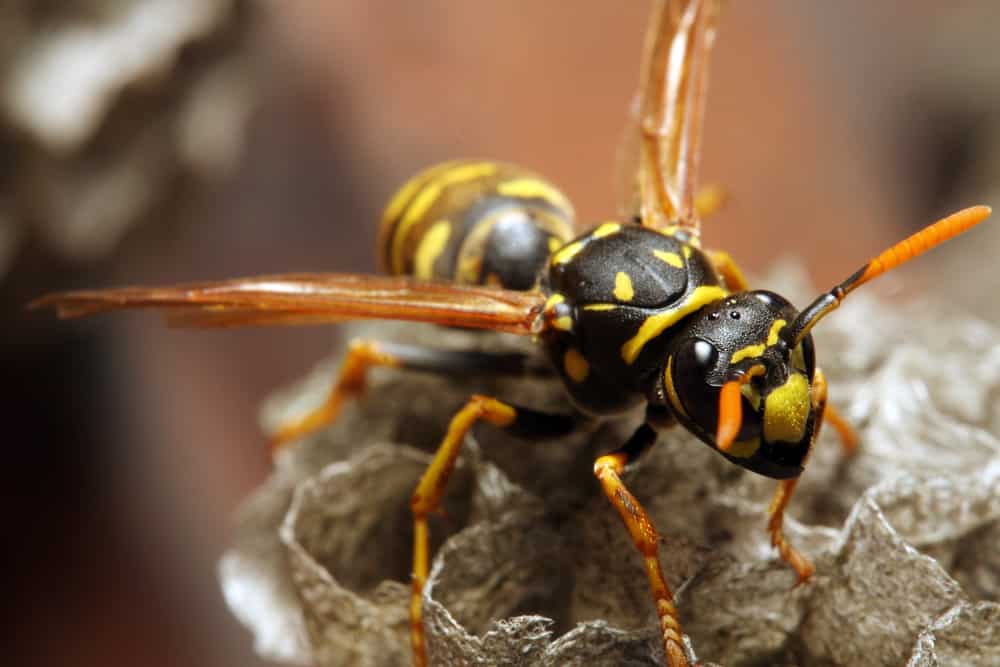
Unseasonably warm days bring insects out of dormancy early. Many insects would still be in diapause during these months, but are getting a head start. Technicians across the region have already spotted yellow jacket queens, ants, and other overwintering insects active in midwinter sunshine.
- Yellow Jackets: Some premature queens may not survive the cool night hours, but most will remain strong and well-fed, producing earlier and larger colonies this spring.
- Ants: Active foraging has resumed in existing colonies thanks to the mild soil temperature. Queens may start laying eggs earlier than normal, leading to an explosive population increase by summer.
- Spiders: “Hunting” spiders that don’t rely on webs are already becoming active in the milder weather. Spiders will continue to abound this year as they will have access to a thriving food source – insect populations increased by early warm days.
These early insects signal a busy 2026 pest season ahead.
What to Expect Locally
Boise: Dry Winter, Active Pests
Boise, Idaho has recorded one of the driest winter starts on record with no measurable snowfall since November (Idaho News, Jan. 15, 2026). Combined with a low snowpack (Boise Dev, Jan. 7, 2026), this lack of moisture gives pests a head start.
- Expect early rodent nesting in garages, crawl spaces, and sheds.
- Watch for ant activity in kitchens and around foundations by early spring.
- Yellow jackets and wasps are likely to appear weeks earlier than expected.
Homeowners should take preventive pest control measures now.
- Seal gaps and fix foundation cracks
- Repair leaks
- Remove outdoor, organic debris
- Consider scheduling an early inspection with a professional pest control company.
Seattle-Puget Sound: Record Warmth Fuels Pest Growth
Seattle, Washington’s near-record warmth (FOX 13, Jan. 31, 2026) is setting the stage for robust pest pressure this season.
- Rats and mice are highly active in metro neighborhoods where food waste offers easy sustenance.
- Moisture-loving pests like ants, spiders, and wasps are thriving in hamp but unseasonably mild conditions.
- Expect to see earlier infestations in both homes and commercial properties, potentially leading to a longer pest season.
Homeowners should prepare in advance.
- Seal gaps and repair sweeps and screens.
- Maintain lawns and reduce the buildup of rotting organic matter.
- Regular monitoring and early pest control treatments will help avoid springtime surges.
Be on the Lookout
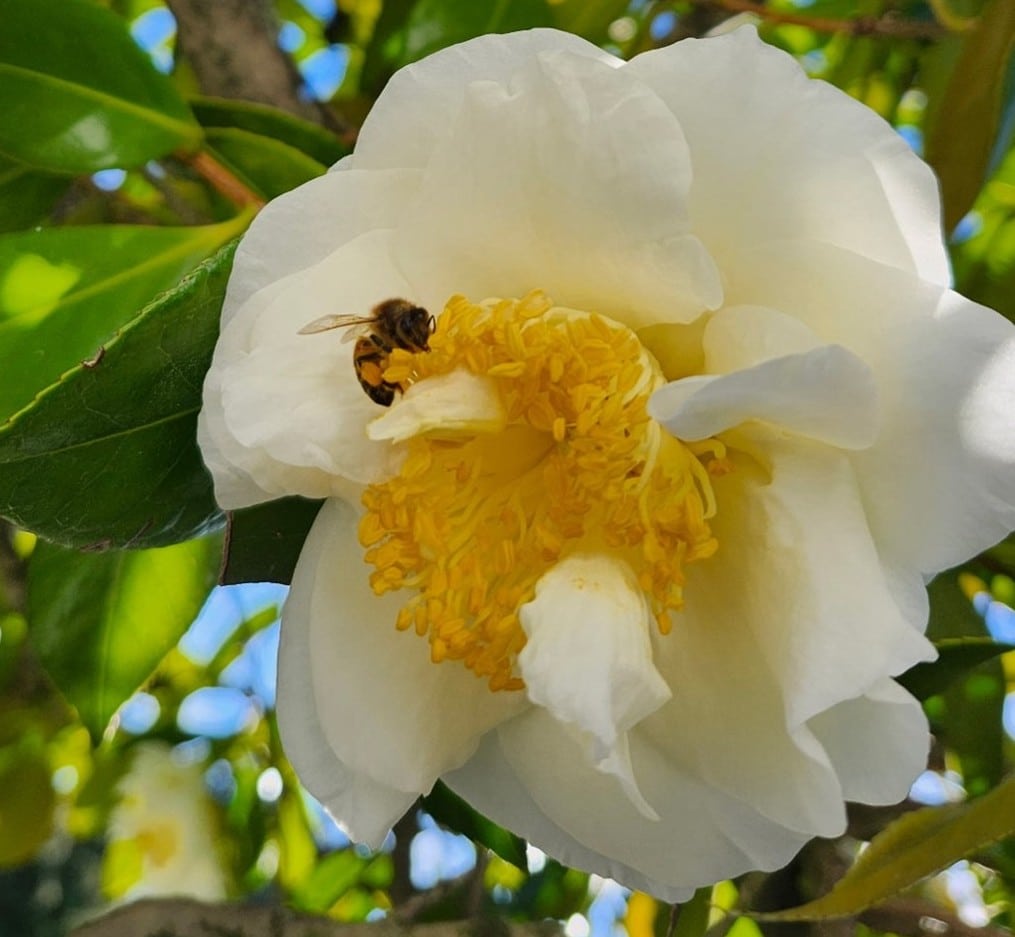
This January, reports have already surfaced of bald-faced hornet queens and even bees visiting early blooms, both clear indicators of shifting seasonal patterns. If you spot unusual insect or rodent activity this winter or early spring, it may be time for a professional pest inspection.
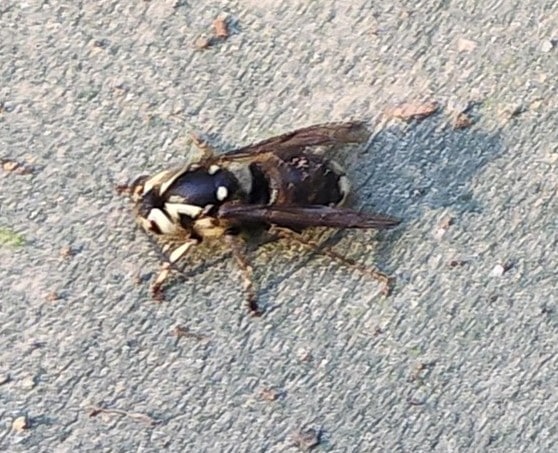
** This, over-wintering bald-faced hornet female (future queen) was found out in the sun in mid-January 2026. So-called bald-faced hornets are not true hornets but actually a type of yellow jacket.
** Bee found on flower mid-January 2026. Lucky this early bee found a source of pollen and nectar. Both the blaming flower and the bee were much earlier than normal.
Cascade Pest Control is monitoring these trends in real time and stands ready to help homeowners in both Boise and Seattle regions to manage the effects of this unusually mild winter.