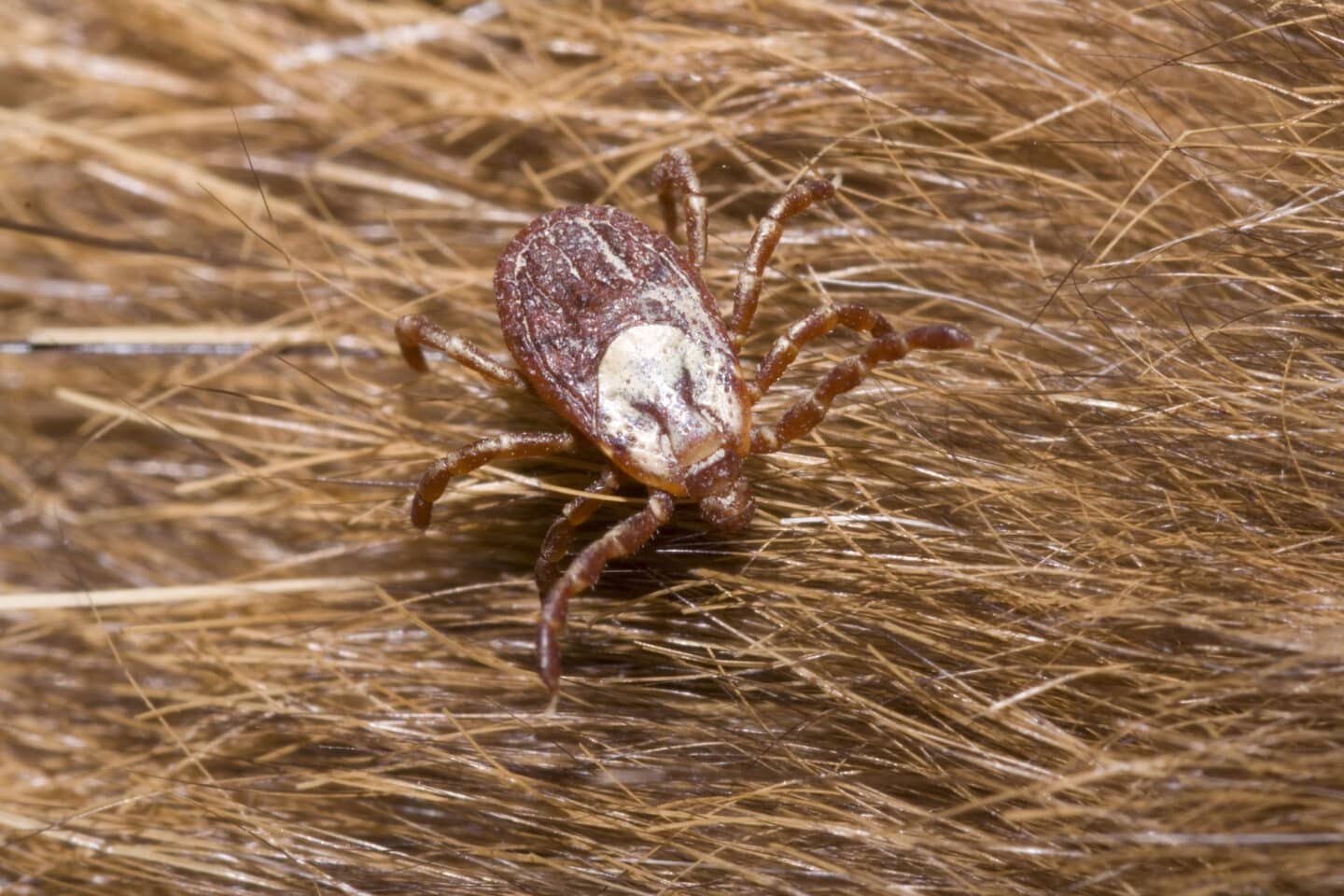
Ticks are abundant in many areas of Idaho and they can certainly even be found in tall grass and thickets while walking in the many parks along the Boise River.
And since ticks are known to carry Lyme disease it seems logical that Lyme disease could occur in Idaho, even in and around Boise and the Treasure Valley. However, an easy answer seems slightly cloudy.
Brown Dog Ticks and Rocky Mountain Wood Tick
First of all, Idaho is well known to have brown dog ticks and the Rocky Mountain Wood tick. It is the black-legged tick (Ixodes scapularis) and the Western black-legged tick (Ixodes pacifica) that carry the virus responsible for Lyme disease.
Western Black-Legged Tick

While some pest control companies speculate that the western black-legged tick is present, the Center for Disease Control shows them near, but not within the state of Idaho.
*Approximate distribution of the western black-legged tick in the U.S. as published by the CDC. The CDC notes that a certain number of ticks of any species must be found within a given county to consider it established.
Another credible source is the Idaho Department of Health. According to them reported cases of Lyme disease from Idaho residents could be traced to traveling in the Midwest or northeastern United States where the black-legged tick is prominent.
All of this is important because Lyme disease can be devastating. The disease starts with flu-like symptoms and a peculiar rash. If untreated, Lyme disease can develop into other symptoms such as facial paralysis, nerve issues, fatigue, and even heart problems. Further symptoms can develop that last for months.
Tick Species Can Slowly Populate Boise / Ada County Area
While currently Lyme-carrying ticks are not known to be established in the Boise / Ada County area, tick species can slowly spread and the western black-legged tick may someday be found to have established themselves in Treasure Valley, Idaho.
In the meantime, there are other ticks which, besides their nasty attachment to the skin, can carry other diseases. And measures should be taken to avoid ticks. “Tick season” is from spring through the fall, however, in an unusually warm winter ticks may still remain active.
Symptoms of Lyme Disease
Lyme disease often starts with:
- Flu-like symptoms (fever, fatigue, body aches)
- A distinctive “bullseye” rash (not always present)
If untreated, it can lead to:
- Facial paralysis
- Nerve pain or neurological issues
- Joint pain and swelling
- Heart complications
Early treatment is highly effective, so recognizing symptoms matters.
How to Prevent Tick Bites in Idaho
“Tick season” typically runs from spring through fall, though ticks can remain active during mild winters.
When outdoors:
- Stay in the center of trails and avoid brushing against tall grass and brush
- Check your clothing and skin for ticks after being outdoors (especially before getting back in your car).
- Regularly check pets, especially dogs, after they’ve been in grassy or wooded areas
- Use an EPA-approved insect repellent labeled for ticks (apply to shoes, socks, and lower legs for best protection)
If you live in a particularly wooded area, consider professional services to keep ticks away. Contact Cascade Pest Control for your tick control needs.
References:
Avoid getting bitten: Mosquitoes and ticks can cause serious illness, by Leslie Tengelsen, PhD, DVM, state public health veterinarian, Division of Public Health. Idaho Department of Health and Wellness website. https://healthandwelfare.idaho.gov/dhw-voice/avoid-getting-bitten-mosquitoes-and-ticks-can-cause-serious-illness
Where Ticks Live. CDC website.