If you love four distinct seasons, abundant sunshine, and relatively low humidity, then you must love living in Boise. The majestic mountains and high desert shape the beauty of Treasure Valley. Boise averages about 11-12 inches of rainfall each year, which means the humidity stays fairly low and skies are often clear. In fact, residents enjoy more than 200 to 225 sunny days per year.

Of course, the same things that are attractive to humans are attractive to pests as well.
Each Boise season can face different pest pressures, but by the end of this guide, you will know which pests to expect in each season and some simple, preventative steps to take to prevent them.
As the Boise seasons change – cold winters, moist springs, hot dry summers, cool transitional falls – so do pest behaviors. These shifts in climate (temperature, moisture, daylight) drive pest behavior and provide homeowners with predictable yearly cycles. Homeowners can be proactive instead of reactive throughout the year.
Climate Drivers Behind Boise Pests
- Temperature swings: Freezes, heat waves, and cool nights can drive pests indoors
- Moisture patterns: Snowpack, spring rain, irrigation, and dry late summer can lead pests to chase moisture
- Human Behavior: Open windows, stored firewood, patio use, and irrigated lawns contribute to pest infestations
Pests respond to seasonal changes by seeking warmth & shelter, following water sources, and taking advantage of human activities.
Winter (Dec-Feb): “Shelter Season” – Moving In for Warmth
Boise winters are typically mild, dry, and cool. Average temperatures are in the 30s and 40s, with a few in the low 20s. Snowfall in the valley averages about 20 inches annually, with 3-4 shoveling events per season. Interestingly, Boise can experience “inversion season,” where cold, stagnant air traps fog, haze, and moisture in the valley while the nearby mountains are sunny and warmer. During this season, pests are quick to invade homes as safe places to “overwinter”.

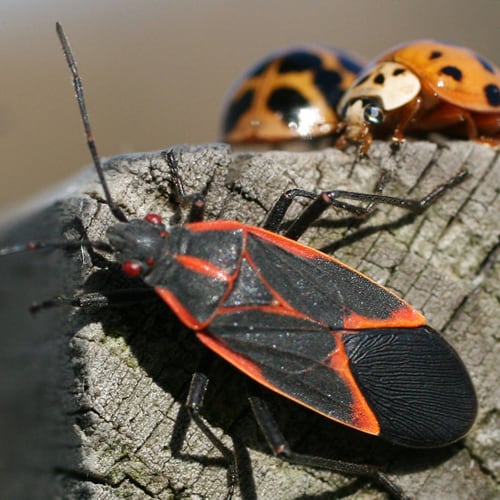
Key Winter Pests & Their Habits in Boise
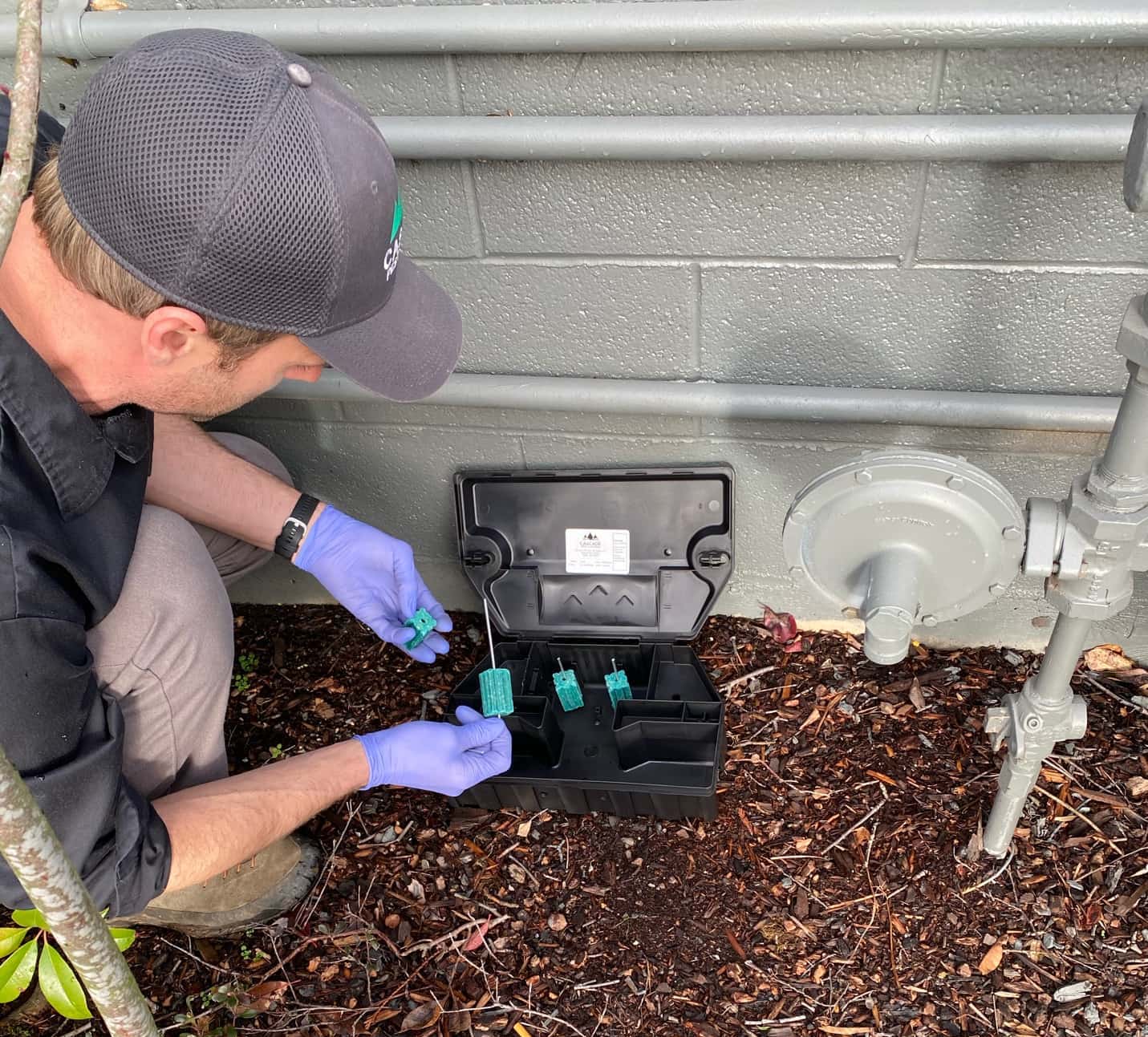
- Rodents, particularly rats and mice, can be found traveling on routes along walls and in attics, crawlspaces, and garages
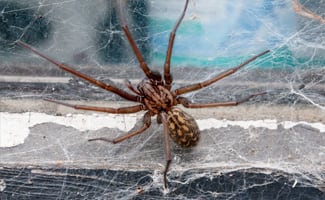
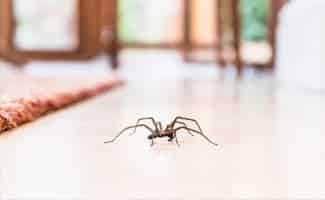
- Spiders and other shelter-seeking insects can be found in dark, low-traffic areas
- Cluster flies, boxelder bugs, and Asian lady beetles slip into wall voids and attics from diapause / dormancy
What Homeowners Should Expect
- More scratching in walls, droppings, & gnaw marks herald rodents
- Random flies and beetles around windows on warm days signal hibernating insects
- Cobwebs in dark corners, storage areas, and less-used spaces
- Watch for wildlife testing weak entry points (garages, sheds, & rooflines)
Winter Prevention Checklist
- Seal gaps around doors, windows, and utility lines
- Store food in sealed containers, and keep the garbage can tightly closed
- Move firewood and clutter away from the house and off the ground
- Schedule an inspection before the deep cold if you have rodent issues.
Spring (Mar-May): “Expansion Season” – From Dormant to Active
Just as humans awake in the warming temps of spring, so do insects. Warmer days and increased moisture from spring rainfall wake up insects and help support new colonies. The pest behavior shifts from surviving the winter to reproducing and expanding.
Spring Pests & First Signs in Boise
- Ants: Looking for food and water inside kitchens and bathrooms, ants leave trail patterns near baseboards and foundations.
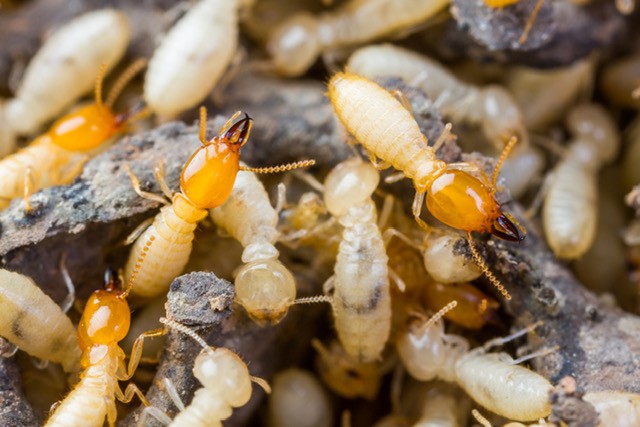
- Termites: Swarming as soil warms and moisture increases, termites leave wings discarded near windows.
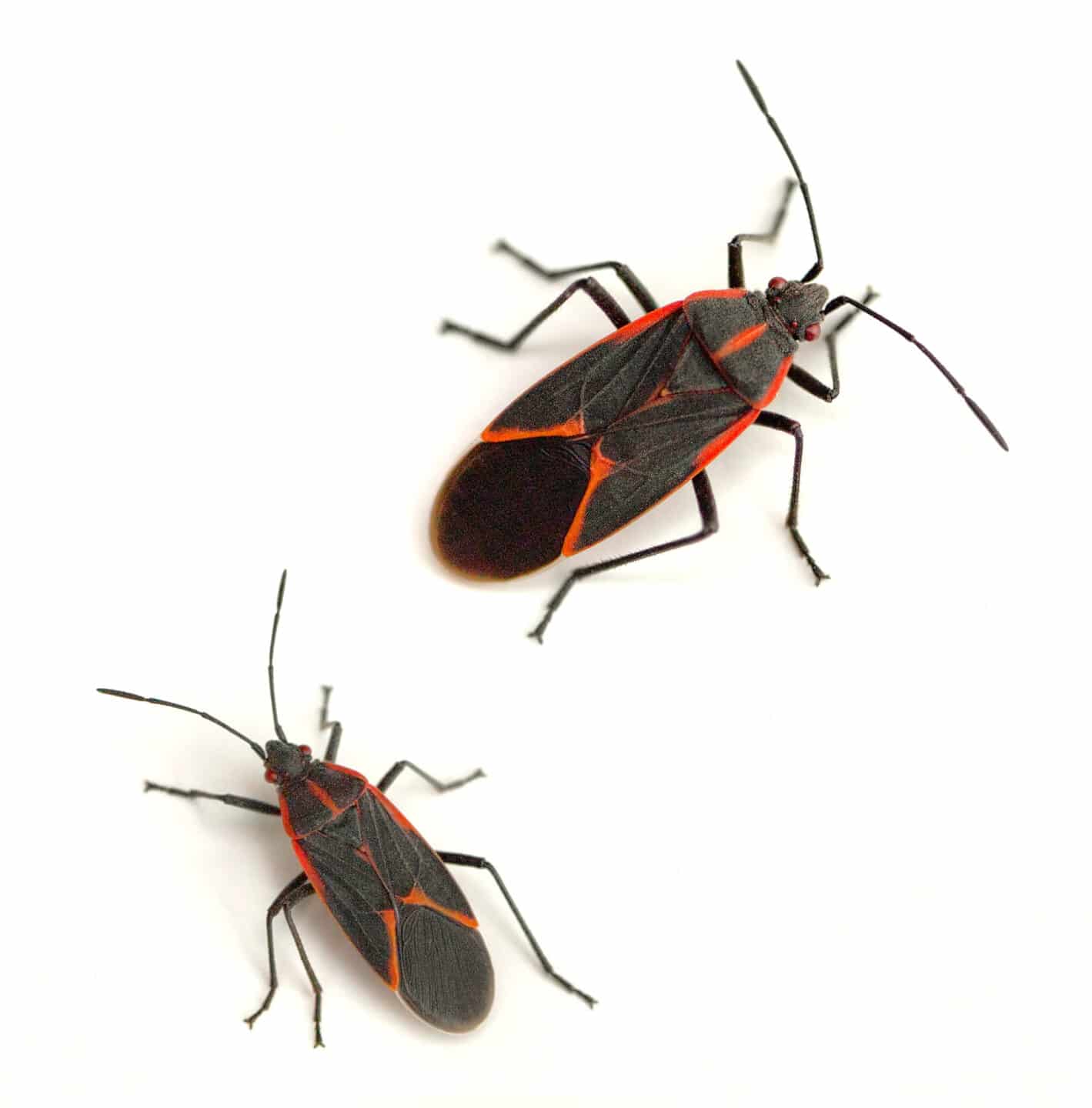
- Boxelder bugs: Begin reappearing around siding and windows on sunny days as they emerge from dormancy in homes and under bark.
What Homeowners Should Expect
- New trails of ants as they follow food and water into homes
- Discarded wings or mud tubs from termites on the move
- Clusters of bugs on sun-facing walls
Spring Prevention Checklist
- Fix leaks, clean gutters, and improve drainage to reduce moisture near foundations
- Trim vegetation away from siding and remove wood-to-soil contact where possible.
- Seal small cracks and gaps where ants and boxelder bugs can slip in.
- Disturb nest and emerging colonies early, before they get a foothold and populations explode.
Summer (Jun-Aug): “Peak Pests” – Outdoor Living and Pests Collide
Summer often means time spent in the great outdoors. This means that humans and pests are primed to interact. Boise’s hot, dry summers and long evenings signal a shift in pest activity from indoors to out.
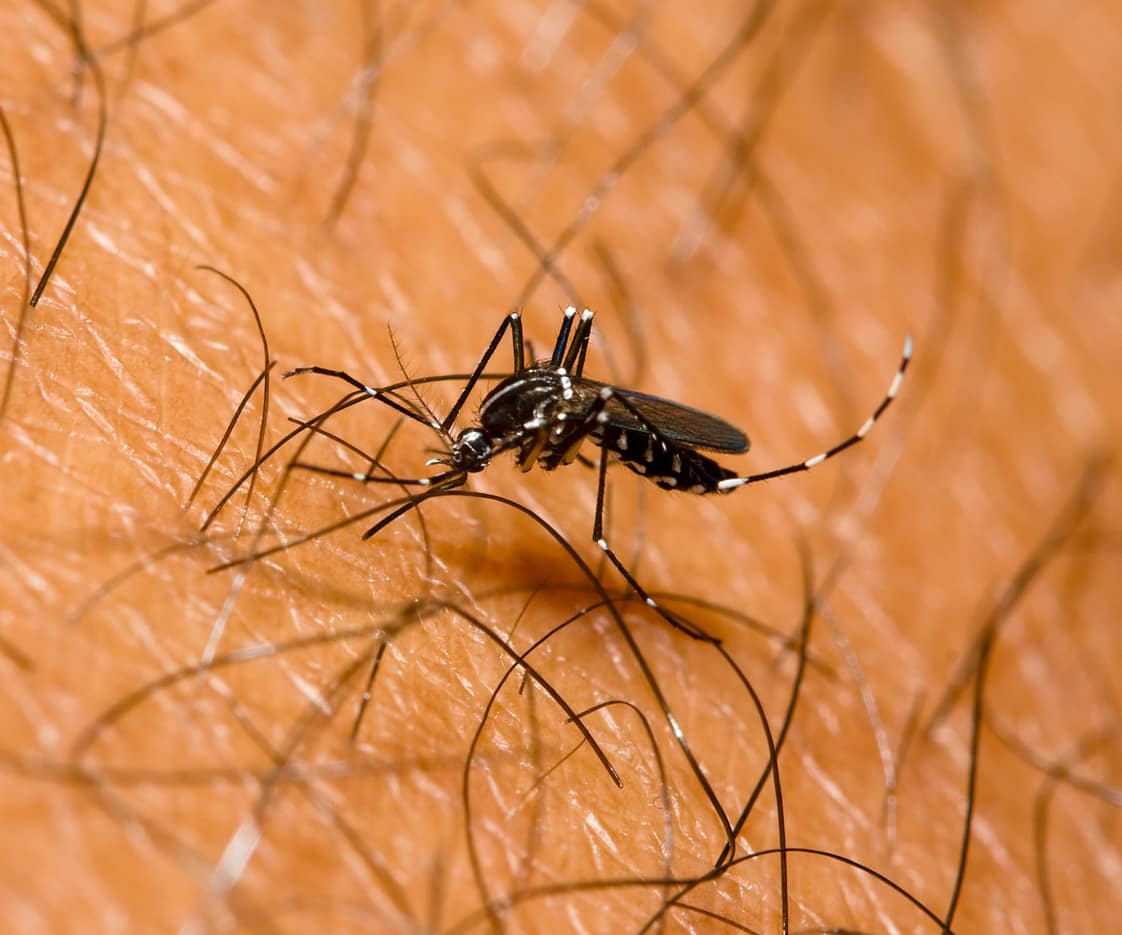
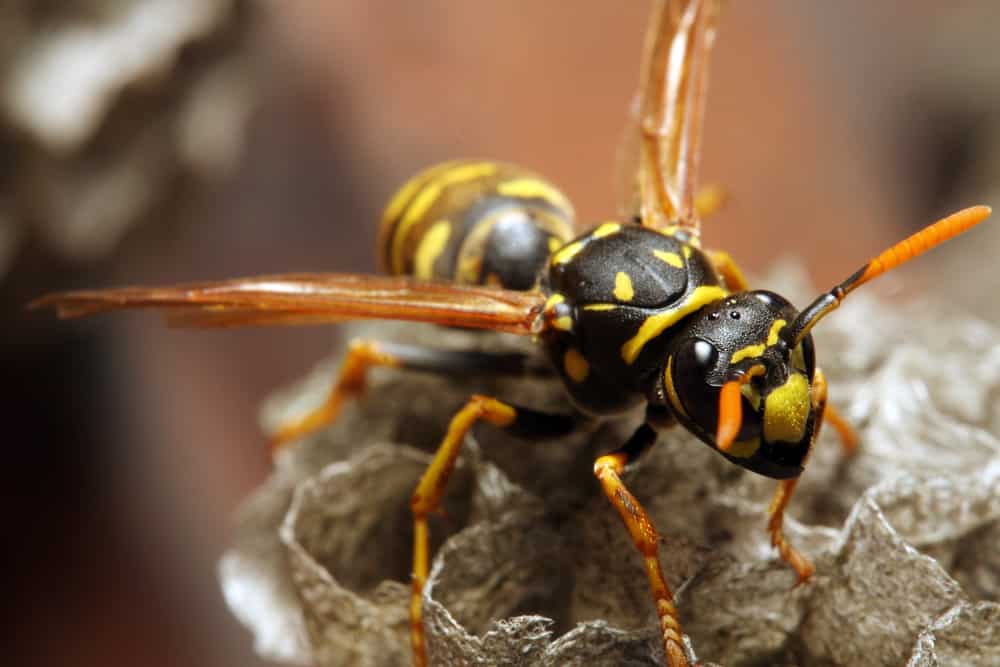
Summer Hot Spots
- Dining and grilling zones: Pests are attracted to areas where people eat and grill. Trash, food scraps, and sugary drinks pull in ants, flies, bees, wasps, hornets, and more.
- Water zones: Birdbaths, kiddie pools, irrigation puddles, and pet food bowls can all be breeding grounds for pests, particularly mosquitoes.
- Shade and structure zones: Under decks, playsets, and eaves, wasps are sure to stake a claim.
Homeowners Should Expect
- More bites at dusk when mosquitoes are active
- Wasp activity near outdoor dining and structures like players and decks
- Increased insect traffic around doors and windows.
Successful Summer Checklist
- Dump standing water in buckets, birdbaths, and plant saucers
- Secure trash cans, keep lids on, and clean up promptly after cookouts
- Inspect for wasps frequently and address nests early.
- Repair screens and weather-stripping to reduce entry points.
Fall (Sept-Nov): “Migration & Overwintering” – Quiet Build-up to Winter Problems
Autumn in Boise is a beautiful transitional season with crisp air and colorful foliage. However, as days grow shorter and nights cool, pests are prompted to seek shelter. Food sources also begin to narrow, so seeking a safe, protected place near food is the gold standard for pests in the fall. As winter nears, pests need to decide: stay outside and die off, or get inside and try to ride out the cold. How easily they can access your house just might make the difference in their decision.
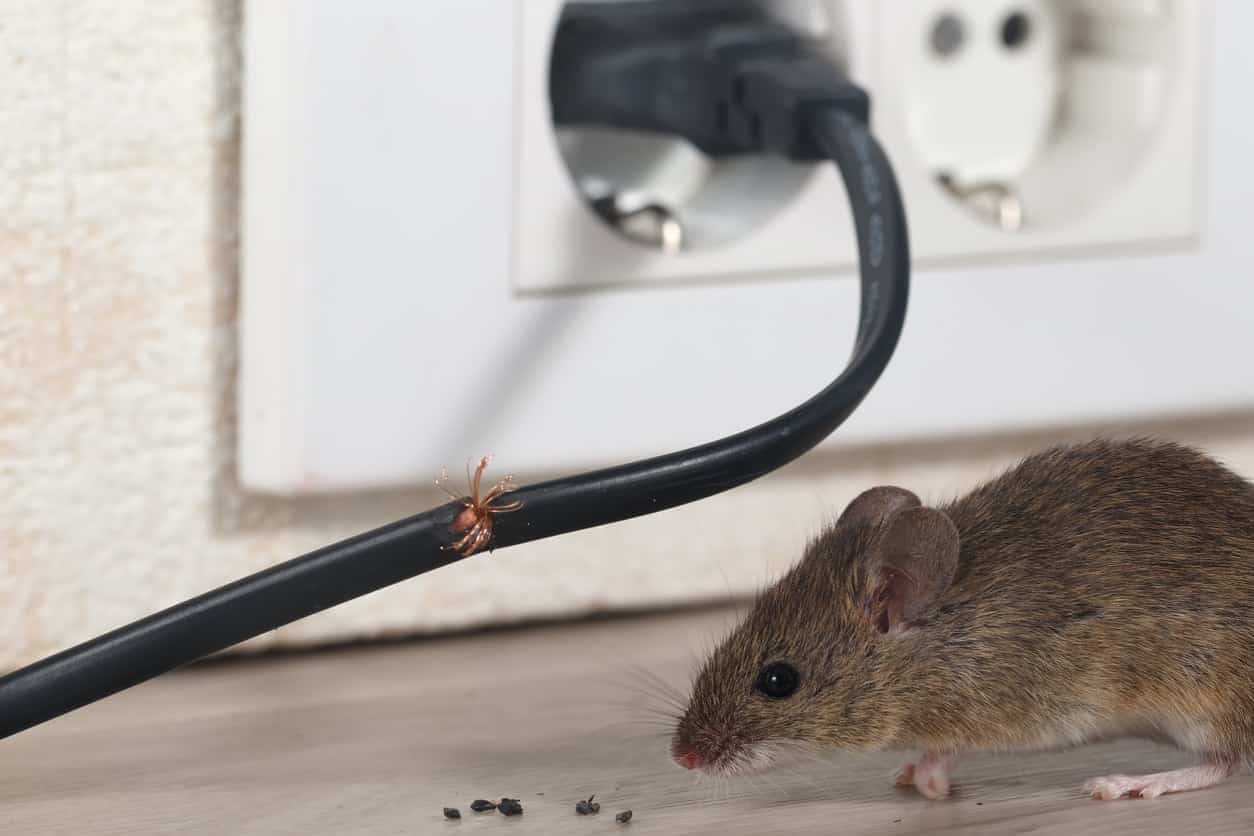

Fall Pests & Entry Pathways
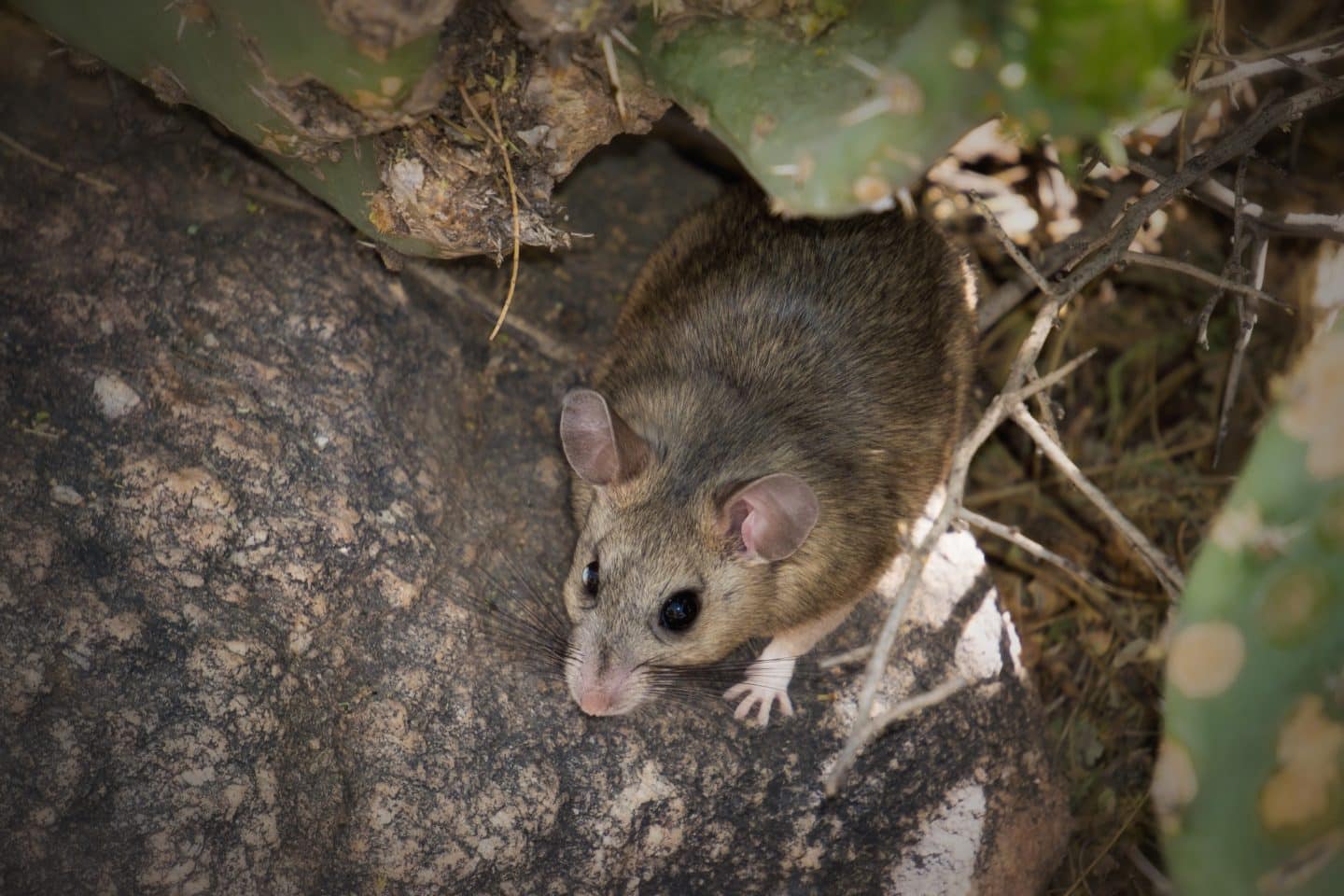
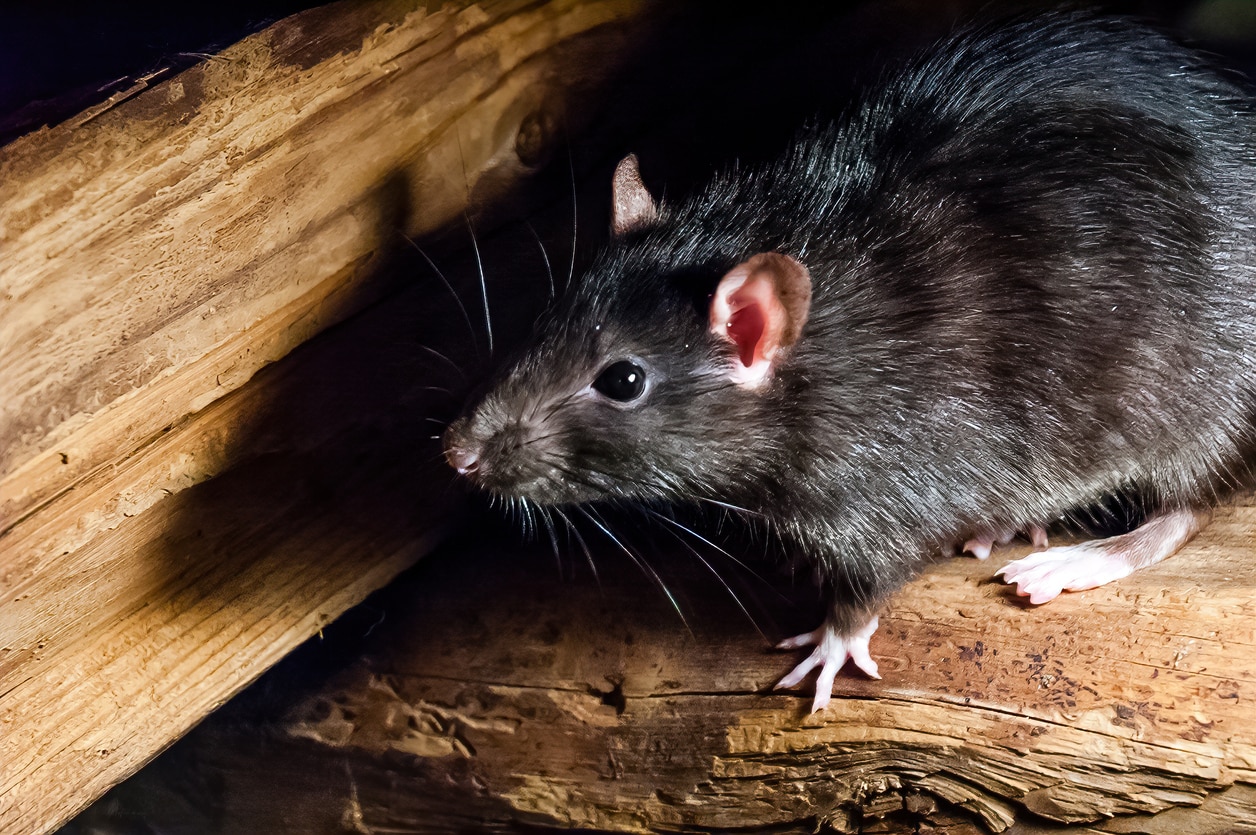
- Vertical paths: Pests, such as rats, mice, and other rodents, enter homes through siding, rooflines, vents, and chimneys.
- Ground-level paths: Spiders, crickets, and other insects, as well as mice, seek ground-level or basement access where they can slip in undisturbed.
- “Hitchhiker” paths: Other pests are opportunistic and hitch a ride on firewood, storage bins, and yard items being moved indoors.
Homeowners Should Expect
- Sudden waves of bugs on the siding or sunny side of homes
- More spiders and their webs indoors (just in time for Halloween)
- Early signs of rodent nesting
Fall Checklist
- Rake leaves and remove debris piles that create harborage near homes
- Re-check and reinforce caulking, door sweeps, and screens before the first frost
- Store pet food and birdseed in sealed containers and off the floor
- Monitor attics, basements, and garages to catch issues early
- Check items for pests before storing them inside.
Year-Round Pest Control Playbook: Think One Season Ahead
As a homeowner, it pays to be proactive, so thinking ahead is key. When considering your pest control playbook, “look at today’s weather, plan for next season’s pests”.
- If it is winter now, prep for spring swarmers and moisture-loving pests by sealing entry points, fixing drainage issues, and scheduling an inspection.
- If it is spring now, prep for summer stinger and biters by managing water, clearing up outdoor eating areas, and sealing eaves or deck spaces where wasps might build.
- If it is summer now, prep for fall invaders by identifying vulnerable entry points, reducing bushes, and cleaning up ripe fruit / seeds from flora.
- If it is fall now, prep for winter shelter-seekers by reinforcing exclusion, decluttering warm indoor zones, and reducing attractants.
Each season brings its own challenges, but with a better grasp of pest behavior, you can be a more proactive homeowner. If you suspect an out-of-control infestation or just want the peace of mind that comes with professional help, don’t hesitate to call Cascade Pest Control. Our highly trained and qualified pest control experts are knowledgeable about local issues and can help craft a pest control plan that is right for you, no matter the season.