Moisture-loving pests in Boise? Well, yes. Treasure Valley is technically a semi-arid, high-desert climate, so you would expect fewer moisture-loving pests, but there is growing pest pressure from atypical pests.
Boise’s Dry Climate and Pest Pressure: How Irrigation Impacts Infestations
“Micro-climates” created by irrigation increase pest pressure around homes, fueling mosquito, ant, and rodent activity in otherwise arid neighborhoods.
Boise’s Baseline Environment
- Boise is a semi-arid climate with low annual rainfall, hot summers, and cold winters. It averages just over eleven inches of rain and melted snow per year. This high desert climate has hot / dry summers and cold / dry winters. It is characterized by low humidity, rapid heating / cooling, and significant temperature swings.
- Typically, this should limit standing water and high-moisture soil, which allows many pests to thrive. Without abundant water, native vegetation is usually sagebrush and grasses. The lack of standing water, air humidity, and moisture-rich soil is usually a natural limit to pests.
How Irrigation Flips the Script
- Residential sprinklers and drip systems keep turf, beds, and shrubs consistently moist, creating lush vegetation that pests thrive in. As neighborhoods continue to develop, more habitats for pests spring up.
- Irrigation canals, ditches, and retention ponds for agriculture and growing cities provide long, continuous strips of water and vegetation for pests to inhabit.
- The resulting strips and pockets of cooler, damp habitat cutting through otherwise dry neighborhoods create optimal conditions for many different pests. These “pest corridors” (canals, greenbelts, and irrigated yards) act as highways for pests and wildlife to move, feed, and nest close to homes and businesses.
Boise Mosquitoes: Damp Breeding Grounds
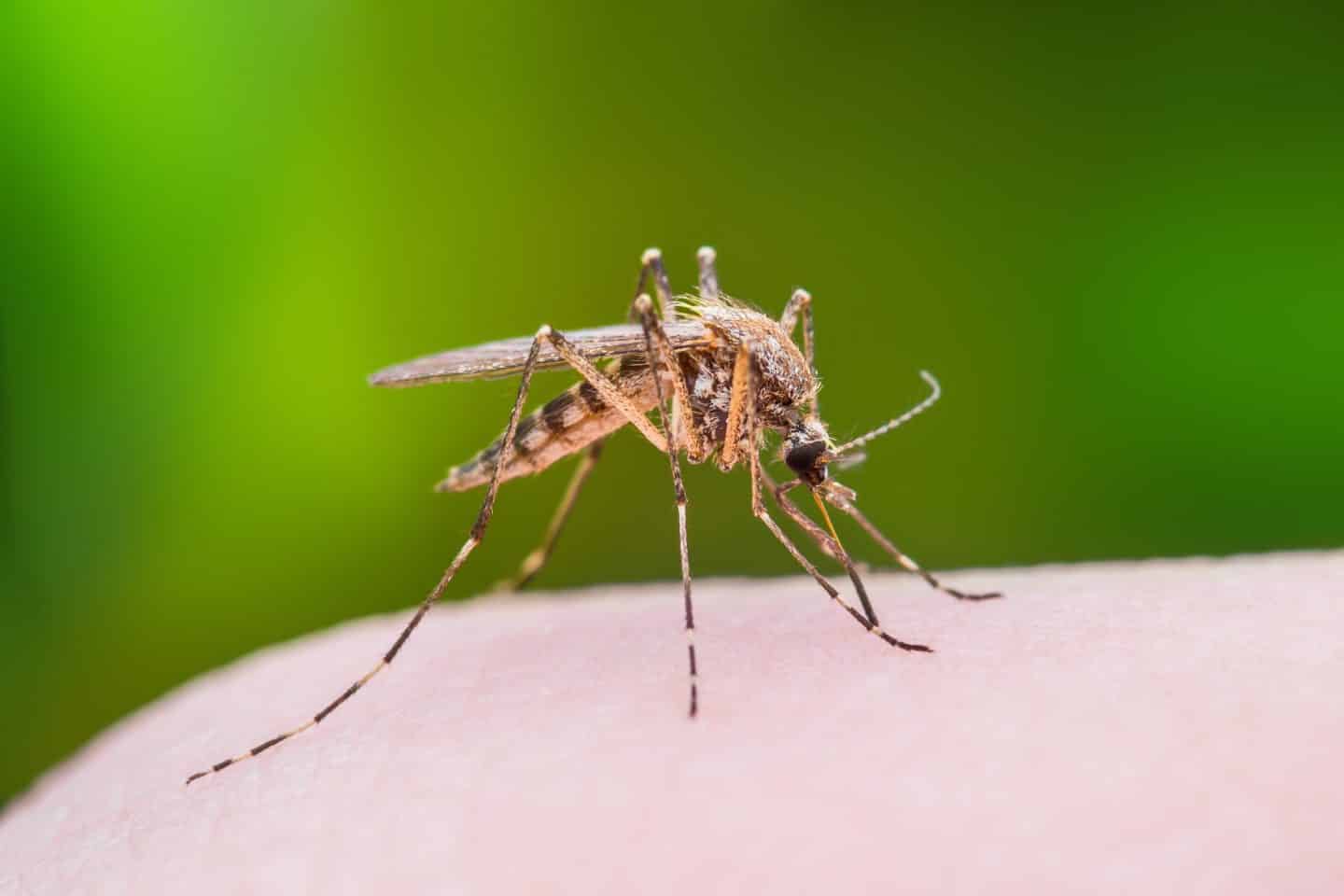
Mosquitoes Love Irrigation
- Basic Biology: Mosquitoes require standing or very slow-moving water to lay eggs and complete their lifecycle. Irrigation provides the perfect conditions for mosquitoes to breed.
- Irrigation-driven Hotspots:
- Irrigation canals, ditches, and retention ponds
- Low spots in lawns that stay soggy after watering
- Clogged gutters, birdbaths, buckets, plant saucers, and even pet water dishes can all hold water and refill from sprinklers
- Micro-Climate Effect: Shaded, irrigated landscaping around foundations and fences, as well as trees near the Boise River, can provide cool, humid resting sites for adult mosquitoes, even in hot, dry weather.
Mosquito Prevention Around Irrigated Yards
- Water Management: Fix low spots and overspray that create puddles in your lawn. Dump and scrub any small containers that collect water from sprinklers. Adjust irrigation timing and duration to minimize the amount of standing water.
- Landscape tweaks: Thin out dense shrubs where moisture lingers and trim tall grass along fence lines and near canals to reduce sheltering sites.
- Professional Support: If you notice swarms of mosquitoes at dusk near lawns, shrubs, and canals, or heavy activity after lawn watering, consider calling Cascade Pest Control for professional mosquito control.
Treasure Valley Ants: Moist Soil
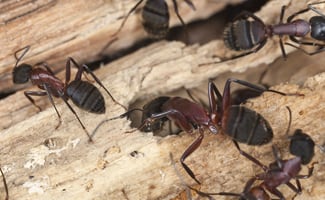
How Irrigation Attracts Ants
- Meets Moisture Needs: Many ant species prefer damp, loose soil for nesting and tunneling. They also need water to survive.
- Where Irrigation Helps: Constantly watered lawns produce lush grass that gives ants softened soil and protects ant colonies from drying out. Drip-irrigated beds and mulch along foundations and around trees also help keep ants moist and cool.
- Canals and Ditches: Canals and ditches also create vegetated edges that provide moisture and food sources (plant sap, honeydew from aphids, and dead insects) that can help ants to thrive.
Reducing Ant Infestations for Boise Homeowners
- Irrigation Practices: Avoid waterlogging lawn edges right against the home’s foundations. Use shorter, more efficient watering cycles to prevent the soil from becoming saturated.
- Landscape and Sanitation: Manage mulch depth to prevent moisture from being trapped, remove yard debris that harbors pests, and control aphids on ornamental plants to reduce the attraction of ants.
- Outdoor Problems Migrate Indoors: Ants can quickly infest homes if they find food. Keep kitchens clean and avoid heavy irrigation near foundations that can push ants toward expansion cracks and utility openings.
Professional Options: If you find yourself with an ant infestation, call Cascade Pest Control to help you target the colony and treat the perimeter.
Boise Rats and Rodents: Thrive on Water Access
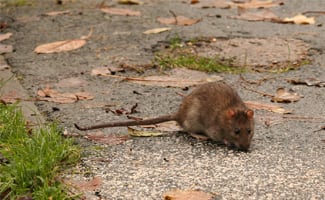
Rats in Boise: A Newer, Growing Problem
- While mice have a long-established population in the Boise area, rats are a newer (and increasingly more common) pest in Boise / Treasure Valley
- Urban growth, dense neighborhoods, and abundant outdoor food combine with irrigation to create a rat utopia.
Why Irrigation Attracts Rats
- Rats’ Biological Need: Rats need water to survive just like all mammals, so access to reliable water is a critical component to a rat colony’s success.
- Irrigation-driven Rat Habitat:
- Irrigation ditches, canals, and retention ponds provide consistent water sources in an otherwise semi-arid environment.
- Thick vegetation grows along canals and fences, offering cover, nesting, and safe travel routes, as well as a cooler microclimate for comfort.
- Regular lawn watering keeps the soil soft for burrowing and supports insects, worms, and plant material for feeding.
- “Perfect” Storm Around Homes: When you combine canal-side water, lush lawns, fruit trees, gardens, outdoor pet food, and burgeoning human populations, you have the ideal rat habitat overlapping with residential areas. Rats thrive!
Managing Rat and Rodent Risk in Boise Neighborhoods
- Habitat Modification: Trim dense vegetation along fences, canal edges, and structures. Eliminate clutter, wood piles, and debris that rodents can hide in.
- Water and Food Management: Repair leaky irrigation lines and fixtures that create constant puddles. Secure garbage, bird seed, chicken feed, and pet food; use rodent-resistant containers.
- Structural Exclusion: Keep a clear perimeter around building foundations. Seal gaps around pipes, vents, and foundation cracks. Secure crawlspace and attic vents with proper screening.
- Professional Help: Contact the experts at Cascade Pest Control to monitor and target rodents, especially on canal-adjacent or heavily irrigated properties.
Smart Irrigation for Treasure Valley Residents
Tune Up Irrigation Systems
- Avoid overspray onto driveways and foundations. Don’t allow water to puddle.
- Fix leaks, capped heads, and low spots that collect standing water.
- Water deeply, but less frequently, to keep roots healthy without constant surface moisture.
Design with Pest Pressure in Mind
- Keep a dry buffer zone right against the foundation of homes and businesses.
- Avoid dense plantings that hold moisture right near the building, or that stay wet for long periods.
- Place wood piles away from structures
Water-wise Landscaping and Pest Control
- Plant native or low-water need bushes and scrubs
- Xeriscape portions of the yard further from the home; focus lush irrigation where it is easiest to monitor
Partner with a Boise pest control professional who understands Boise’s unique mix of dry climate and heavy irrigations. Cascade Pest Control has over 45 years of experience in ridding homes of pests.