Seattle/Puget Sound: (888) 989-8979

Wasp Removal & Control

Wasp Extermination

Wasps, hornets, and bees can pose a collective threat to children, adults, and pets, especially for those who are allergic. Cascade’s expert, environmentally safe wasp removal and control services allow you to enjoy your favorite outdoor spaces with the peace of mind that stinging pest infestations have been safely eliminated.

We commonly encounter several different wasp species in the Seattle, WA and Boise, ID regions, including:

  • Bald-faced hornets (black & white yellow jackets)
  • Mud dauber wasps
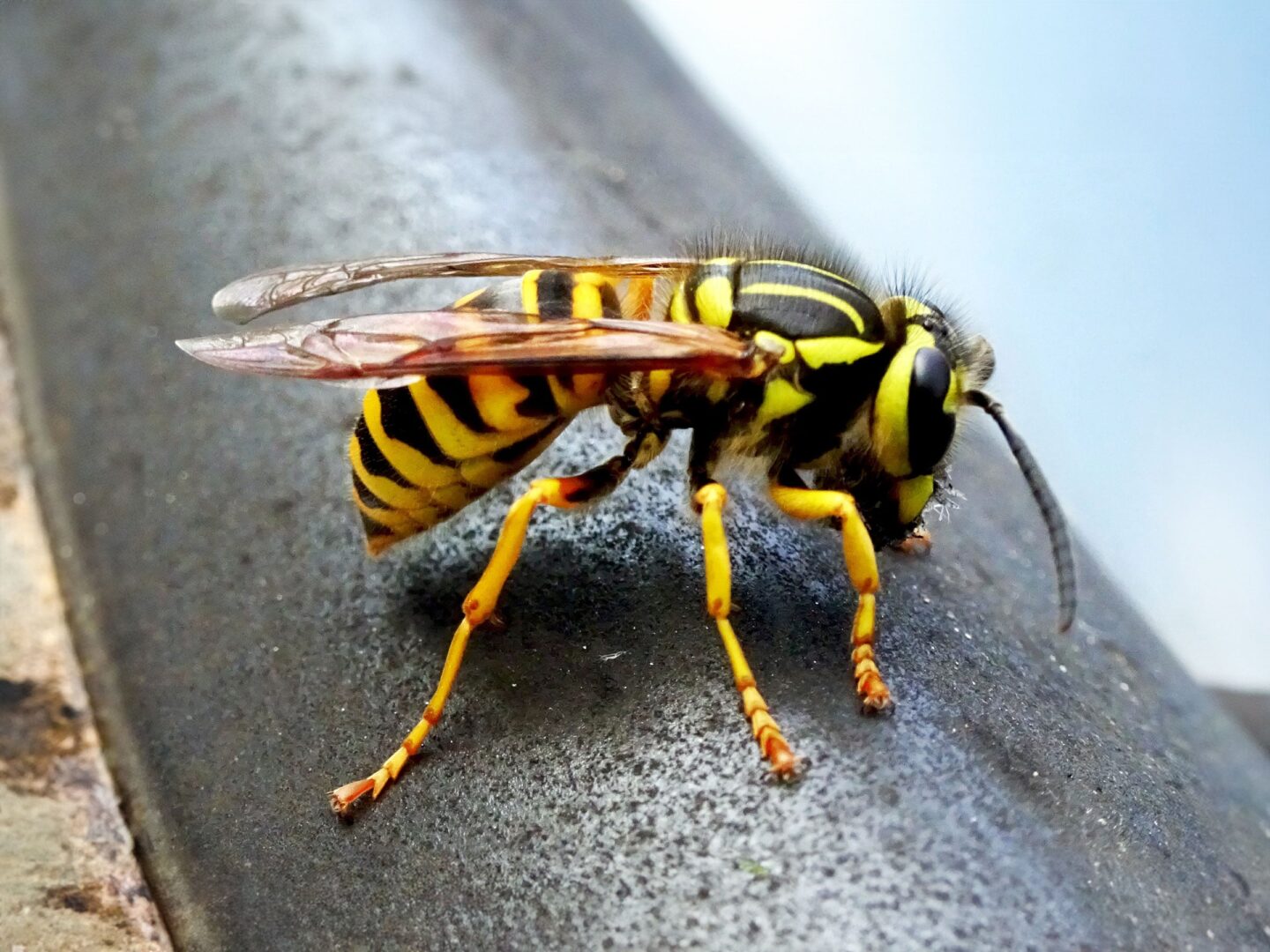
  • Yellowjackets
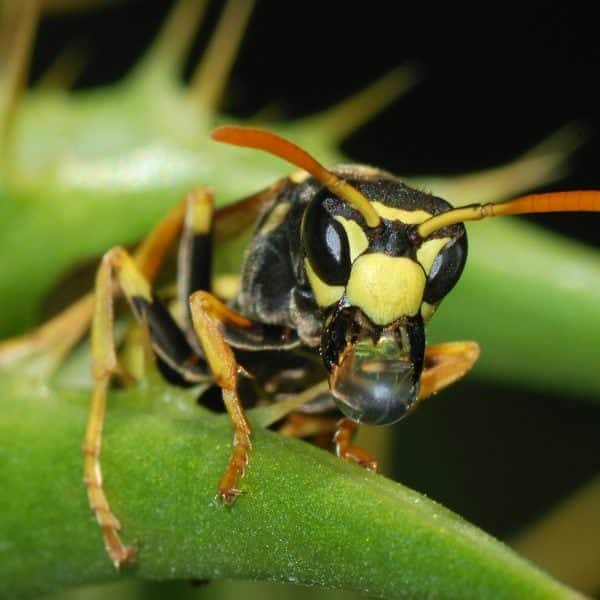
  • Paper wasps
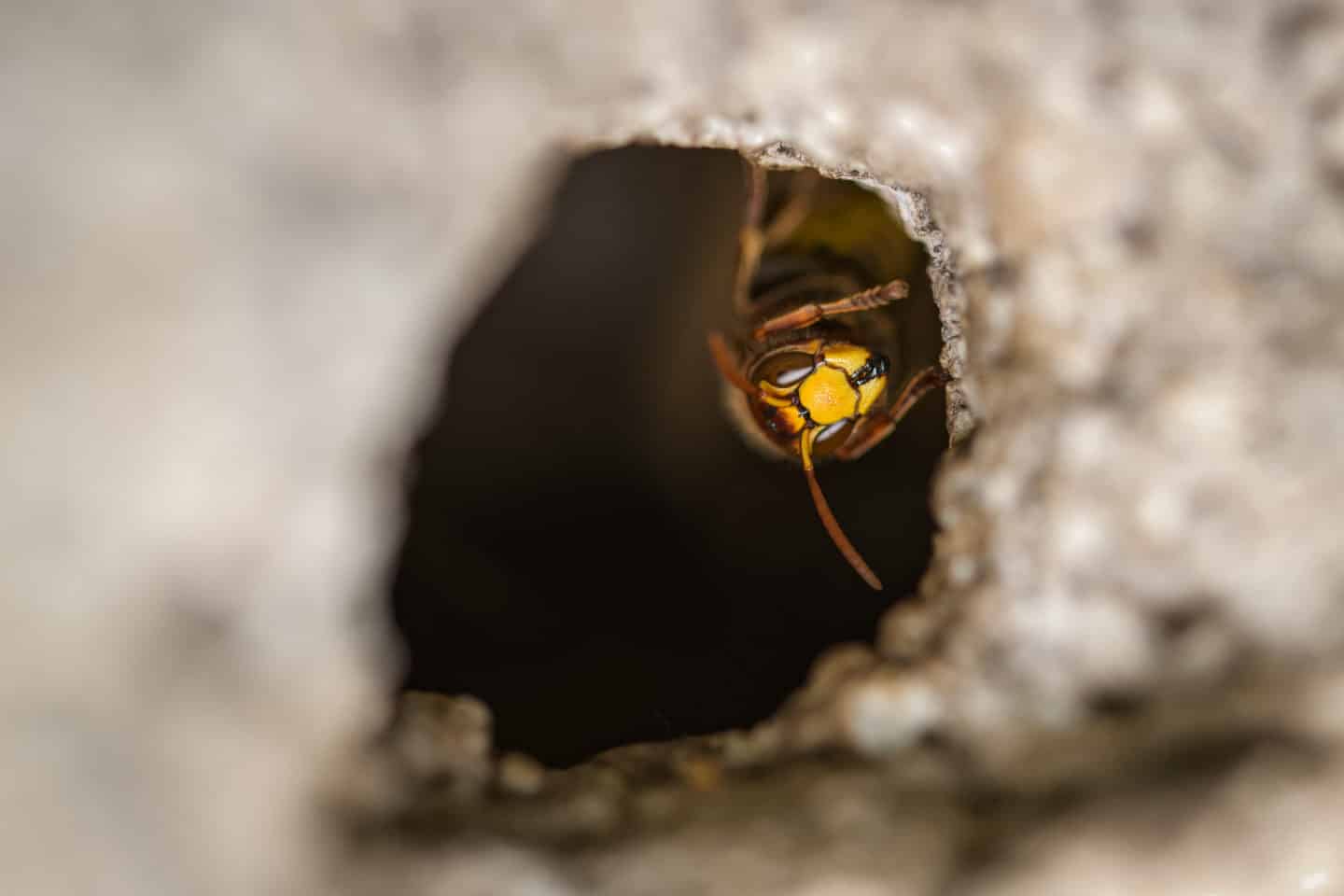
  • Asian Giant Wasps – Special Alert
wasp control
ground wasps

Start Your Wasp Control Process

FAQs:
Wasp Control Services

Can I do DIY wasp control?

There are some DIY pest control solutions for stinging pests, like bee and wasp spray or natural repellents, vinegar, traps, or smoking out wasps, hornets and bees. DIY wasp control solutions are not recommended. Any DIY attempt that may disturb the hive or stinging pests puts you at risk of receiving painful stings. Cascade’s specialized technicians are trained in the best methods for stinging insect control.

What types of wasps or stinging pests do you treat?

Cascade Pest Control has been providing wasp control for over 45 years in the Puget Sound / Seattle, Washington area and more recently in the Boise / Treasure Valley, ID region. We treat the wasps, hornets, and stinging insects common to these regions, such as bald-faced hornets (black & white yellow jackets), mud dauber wasps, yellowjackets, paper wasps, Asian giant wasps, and more.

Does Cascade provide bee control?

First, people often say “bee” or “bees” to refer to both bees and wasps. People often mistakenly call yellow jackets “bees.”  Cascade certainly does provide control of wasps, hornets, and yellow jackets.

Secondly, bees are beneficial pollinators which generally should be protected, this includes mason bees and leaf-cutting bees as well as honeybees. Bees can nest in house walls or next to a doorway and, in the case of someone with a severe allergy to bees, control might be needed. This is very rare and should be a last resort after attempting to work with a beekeeper.

What’s the difference between wasps and yellow jackets?

Wasps are stinging insects from the order Hymenoptera, which includes ants and bees. They have narrow waists, wings (usually), and smooth stingers. The smooth stinger lets them sting repeatedly. Wasps include hornets, mud daubers, Polistes, and yellow jackets. So, yellow jackets are just a subgroup of wasps. There are several species of yellow jackets in ID, including some that nest in the ground and others that make hanging nests in trees. Ground nesting yellow jackets might also use a wall void in a house, while hanging nest builders may use the eave of a home.

Are wasps and yellow jackets aggressive?

Not all wasps are aggressive, especially in the early spring as the queen emerges from hibernation. However, yellow jackets are known for their aggression, which can increase as the weather warms or when they perceive a threat to their nest. Because they can sting repeatedly, they pose a significant threat to homeowners and their families.